
 01
Climb the value chain
Move from selling raw produce at the gate to grading, processing, storing and branding it.
Programs designed with the cost per outcome right, before the budget locks.
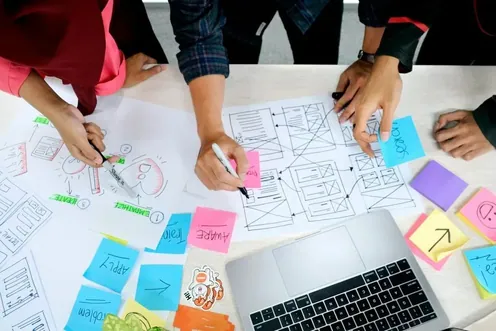
Find out what people will actually do, before you build for what you assumed.
Purpose-built systems that work on the ground, not only on the dashboard.
Field operations that turn a plan on paper into work on the ground.
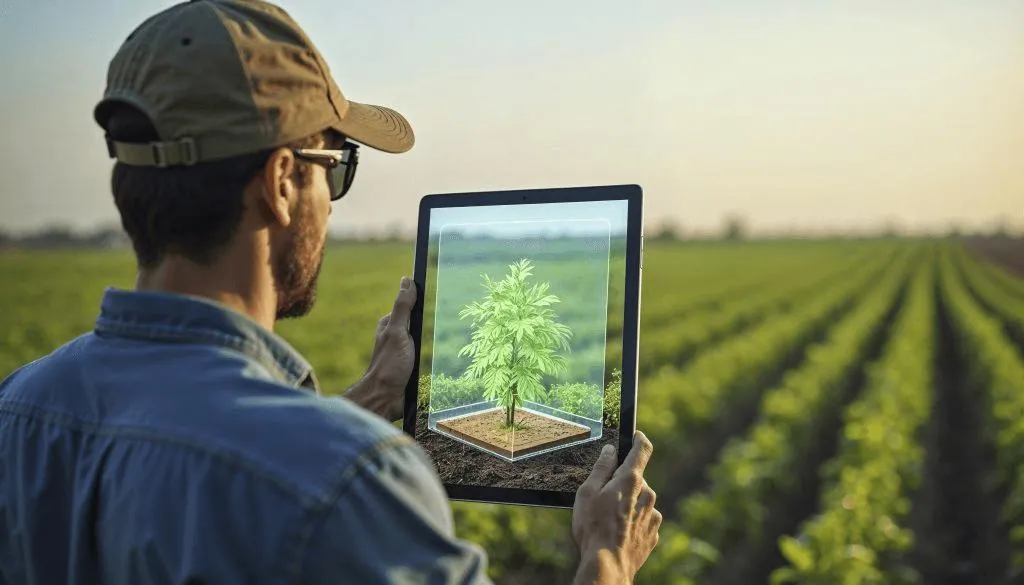
We build the technology that moves smallholder farmers up the value chain, and sells their produce closer to the people who eat it.
Co-created with farmers, FPOs, nonprofits, governments and buyers.
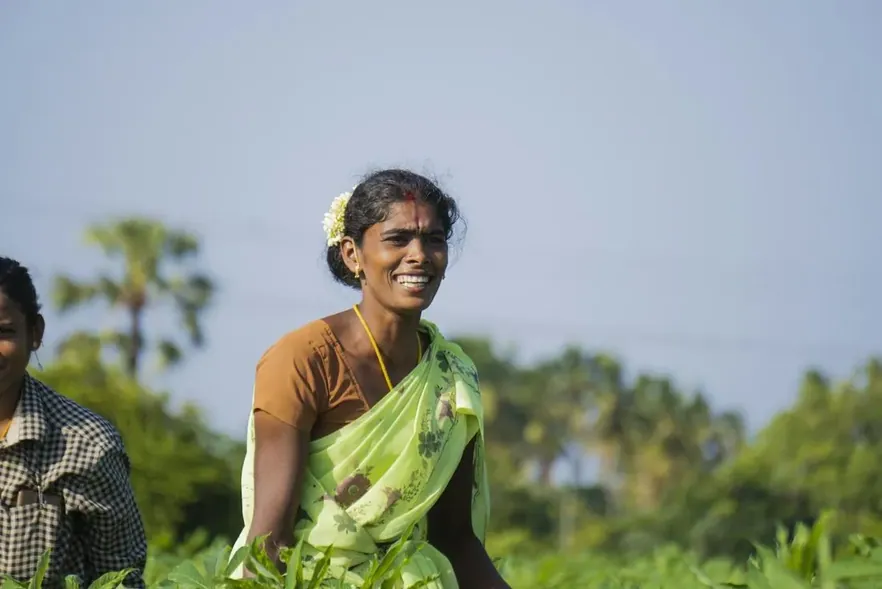
A country cannot secure its food supply on the backs of people who can barely afford to keep farming. The person who grows the food has to be able to live on it. Otherwise the next generation leaves, and the supply goes with them.
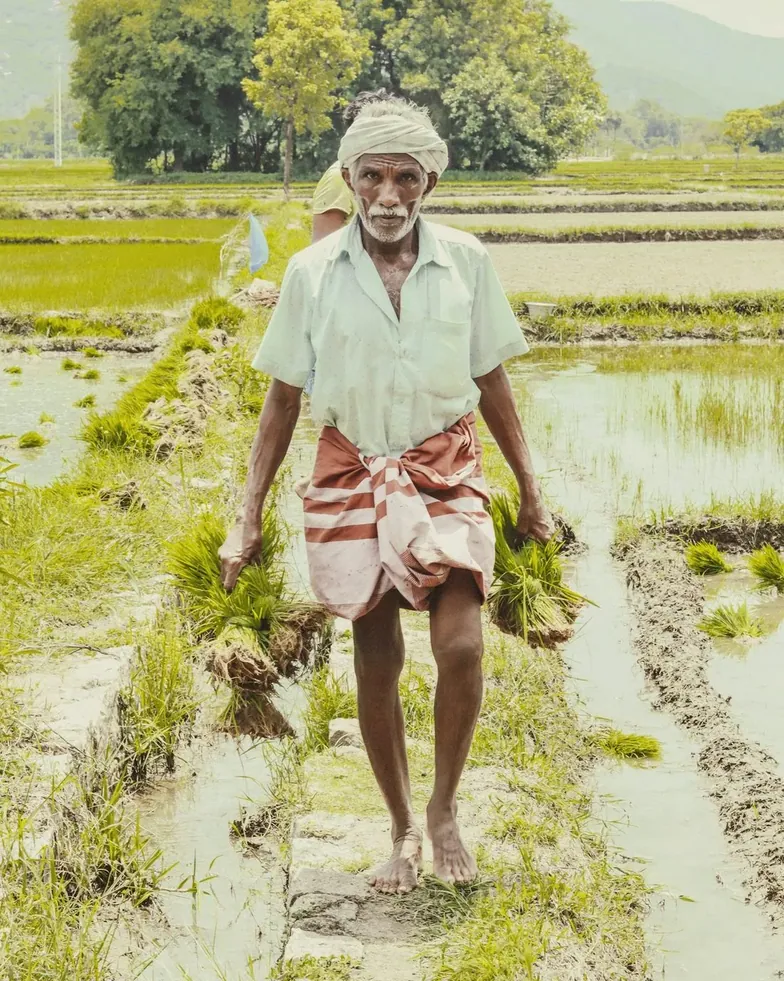
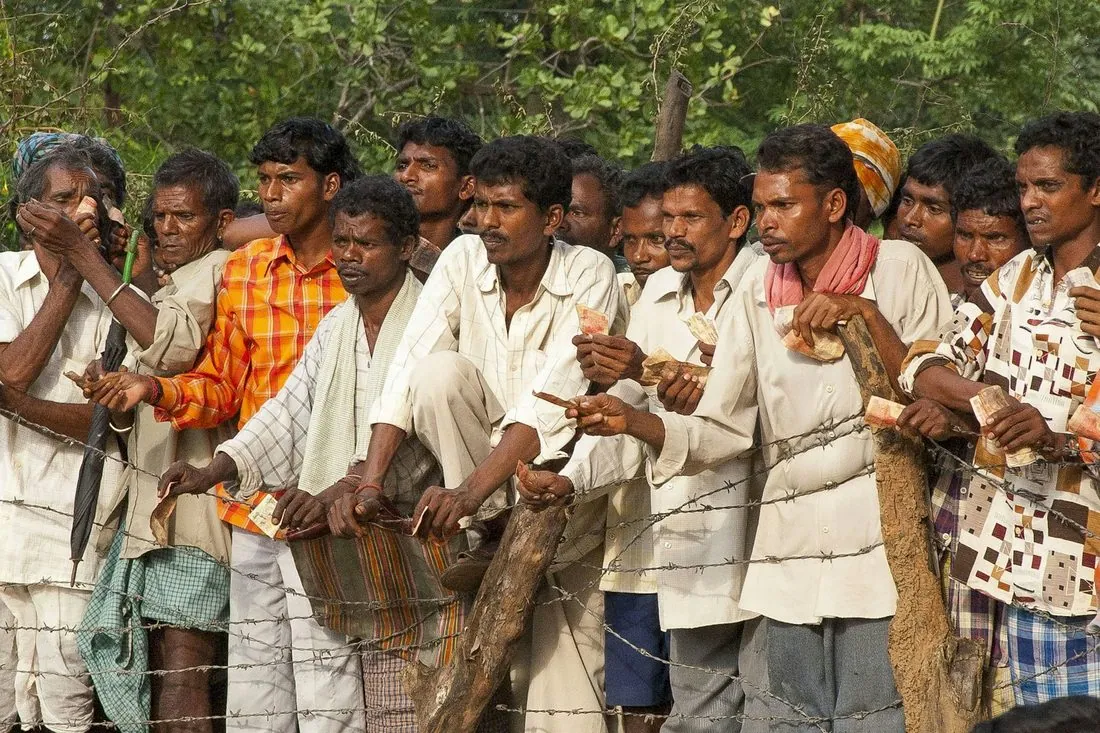
More than half of India works on farms. The economics they work under would not be accepted in any other industry.
A smallholder working two and a half acres earns roughly ₹1,500 a month from it. That is not a living, and everyone in the household knows it, which is why the young leave first.
Of everyone in the value chain, from input sellers and traders to processors and retailers, the farmer carries the most exposure to weather, pests, price and debt, and has the least cushion against any of it.
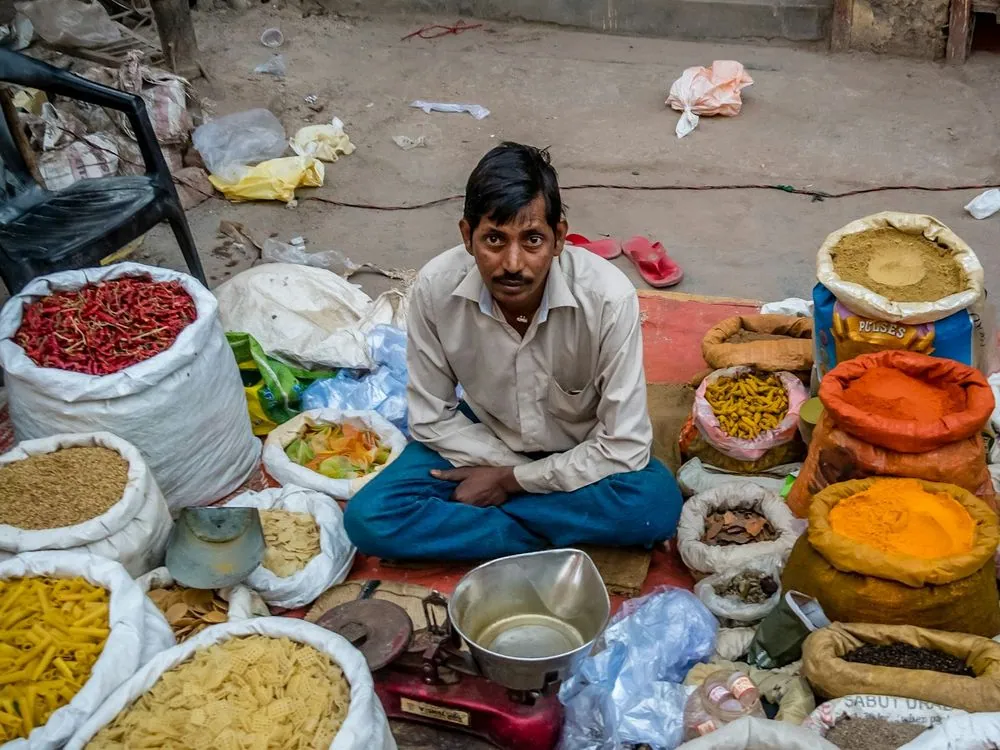
Between a farmer and the person eating the food there are eight to twenty-six hops. The farmer keeps twelve to fifteen per cent of what the consumer pays.
Today: eight to twenty-six hops between the plate and the field.
Every hop removed is income that stays on the farm.
Food security is usually told as a story about harvests. It is really a story about whether the people who grow the food can keep doing it.
Much of what India eats is grown on holdings of a few acres, by households with the least cushion against a bad season. Secure them, and you secure the plate.
Erratic rain, heat and new pests land hardest on rainfed plots with no storage and no second income. One bad season can undo three good ones.
The young go first, because everyone in the household can do the arithmetic. A food system cannot outlast the people who stop growing for it.
Practices that keep soil and water intact protect the next decade's harvest, and when they are tracked well enough, they can be paid for.
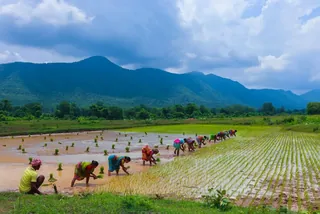
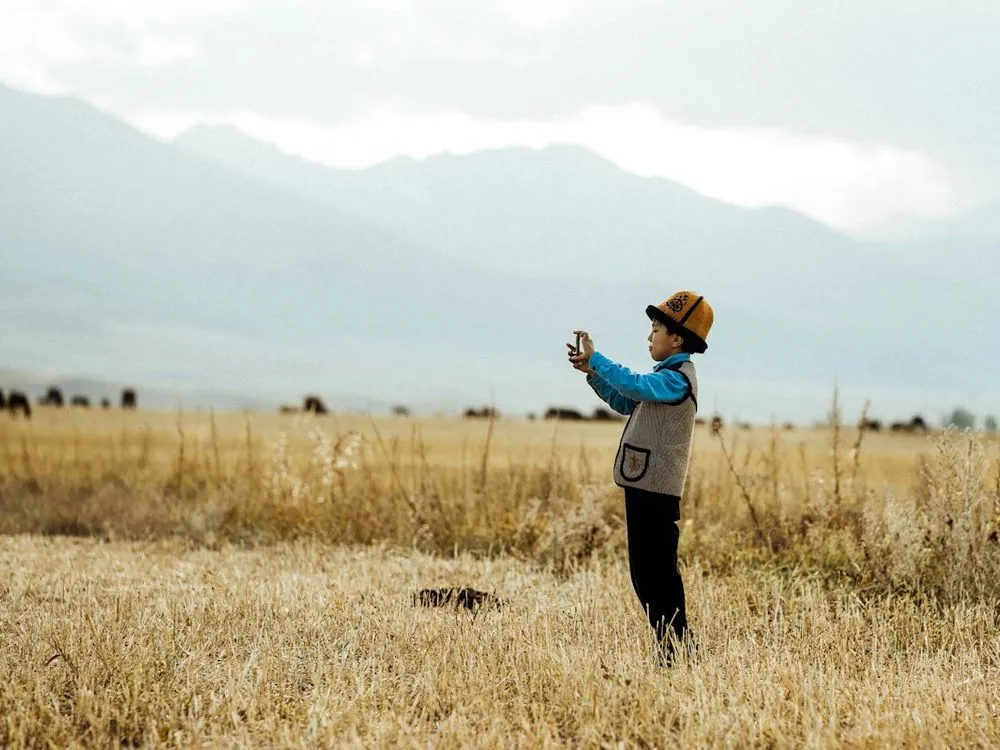
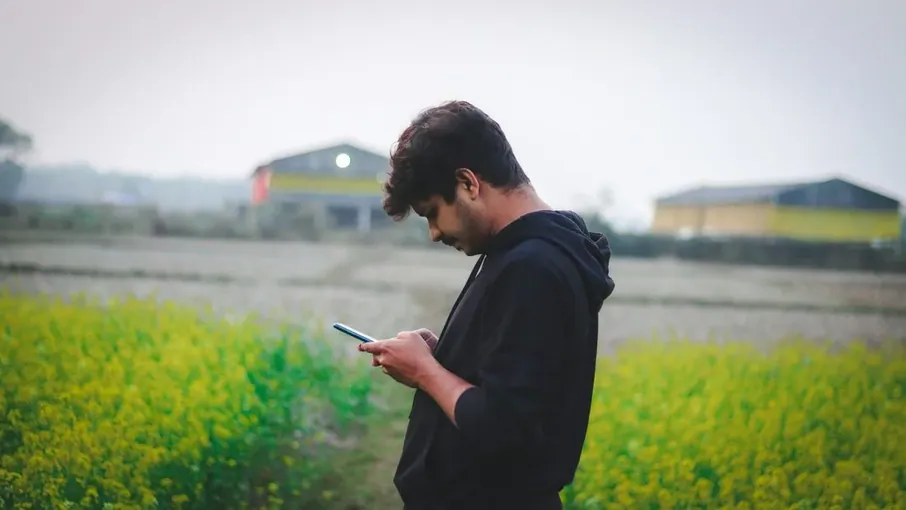
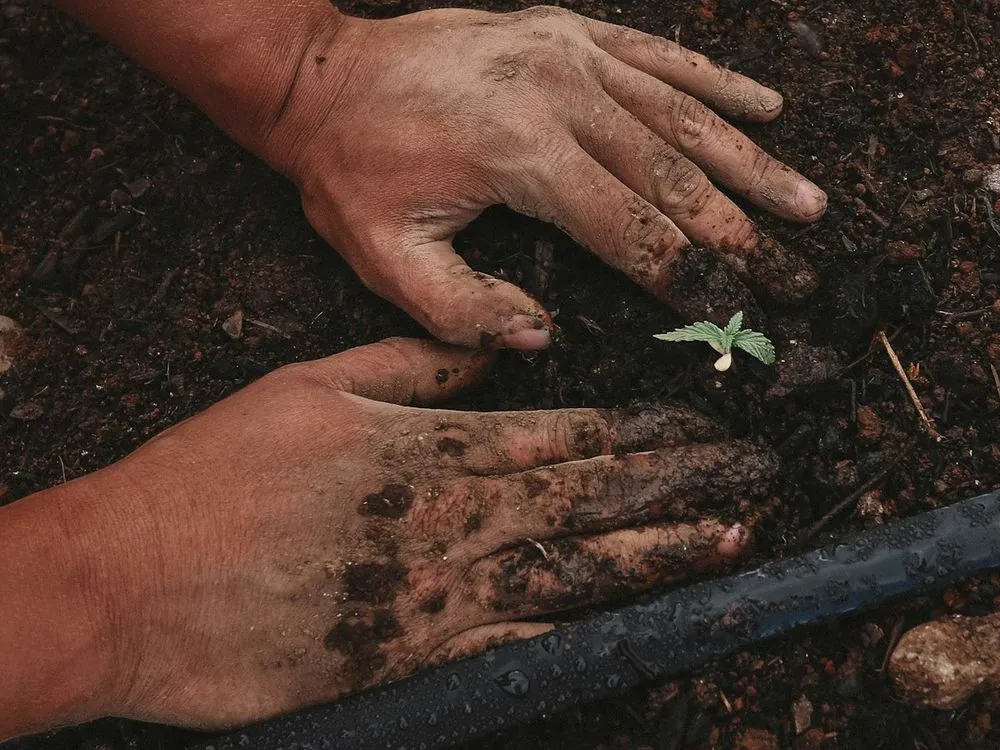
A smallholder alone cannot negotiate a price, meet a buyer's volume, afford a warehouse, or get a certification audited. The same farmer inside a functioning producer organisation can do all four. So we build the ecosystem around the farmer, and keep it open.
An ecosystem, so that farmers and FPOs have genuine choices rather than one trader at the gate.
01Move from selling raw produce at the gate to grading, processing, storing and branding it.
 02
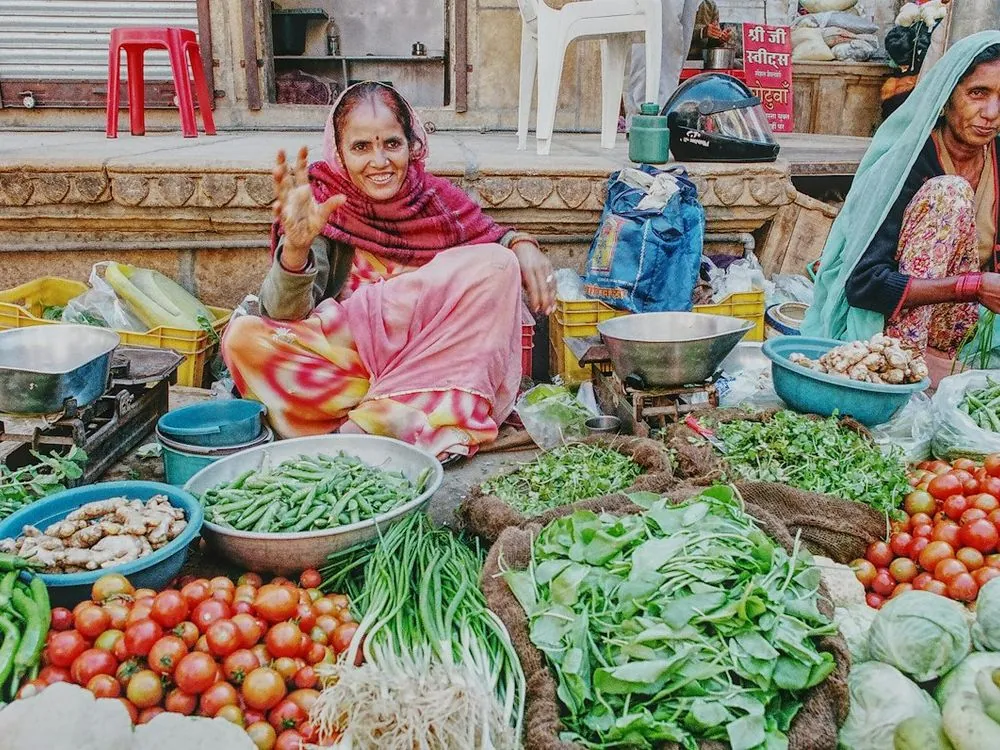
Fewer hops between the field and the consumer, through both institutional and direct channels.
 03
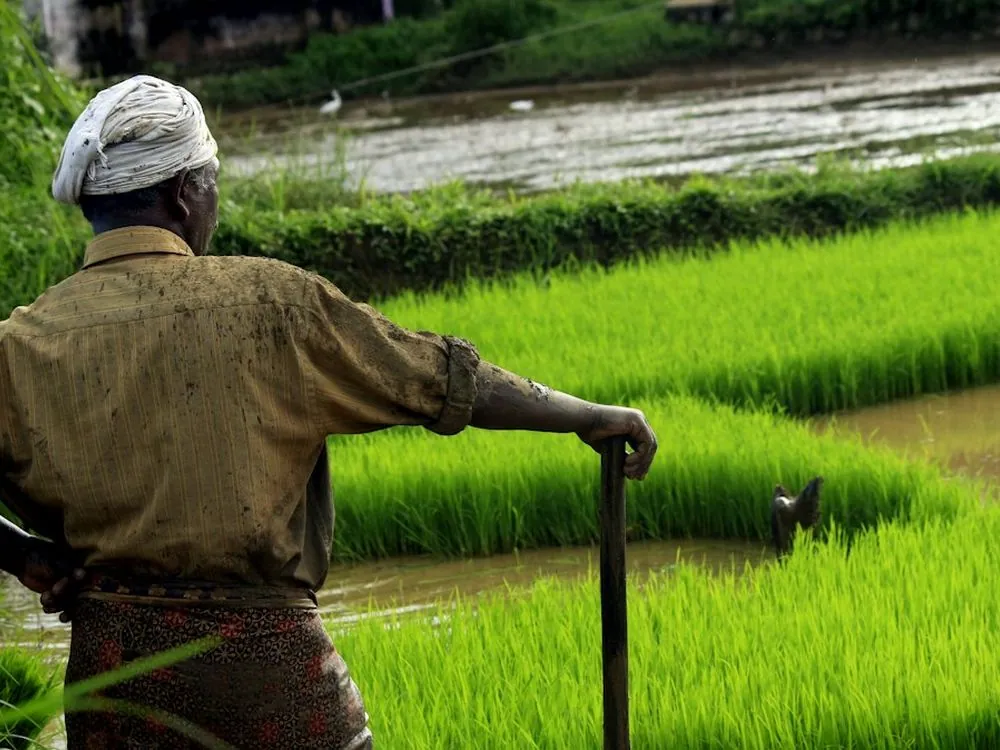
Practices that keep soil and water intact, tracked well enough to be paid for.
 04
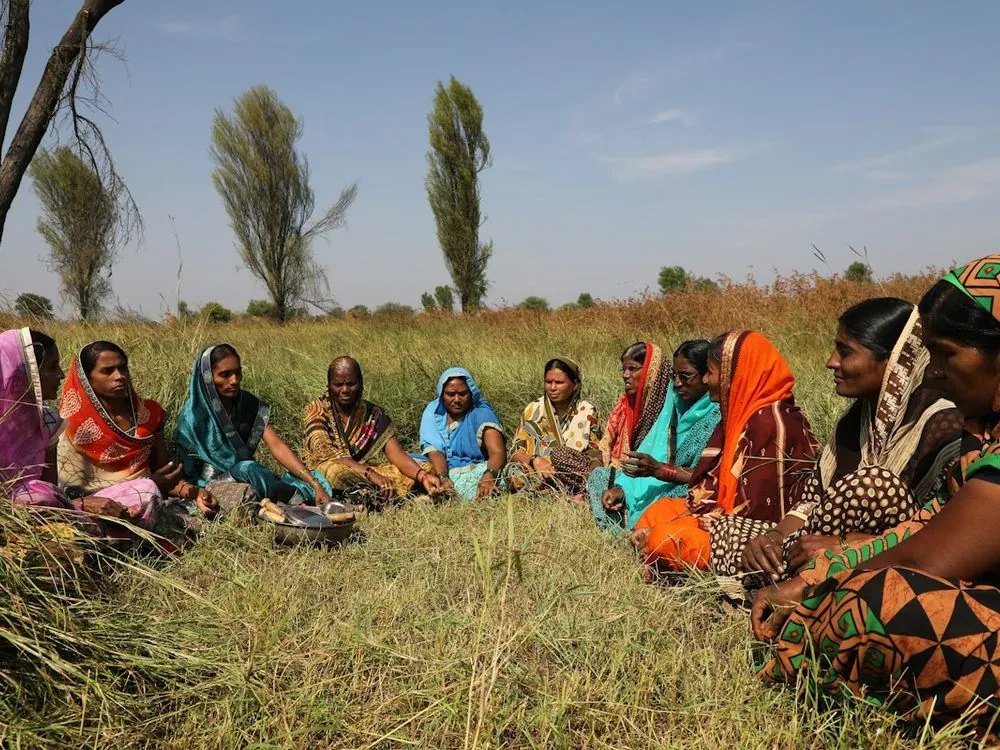
An FPO that can run its own books, hold its own stock and keep its own promises to buyers.
Raise income without lowering cost and the gain disappears into the next season's inputs. Lower cost without reducing risk and one bad season undoes three good ones. Manage both while mining the soil and the problem simply moves to the next generation.
Grade, store, process and sell closer to the plate, so more of the rupee stays on the farm.
Inputs bought together and cost of cultivation tracked, so a gain is not eaten by next season's bills.
Advisory, weather and more than one buyer, so one bad season does not undo three good ones.
Practices that keep soil and water intact, so the problem does not simply move to the next generation.
Each works on its own. They share one record of the farmer, the plot and the produce, which is what turns six tools into a value chain.
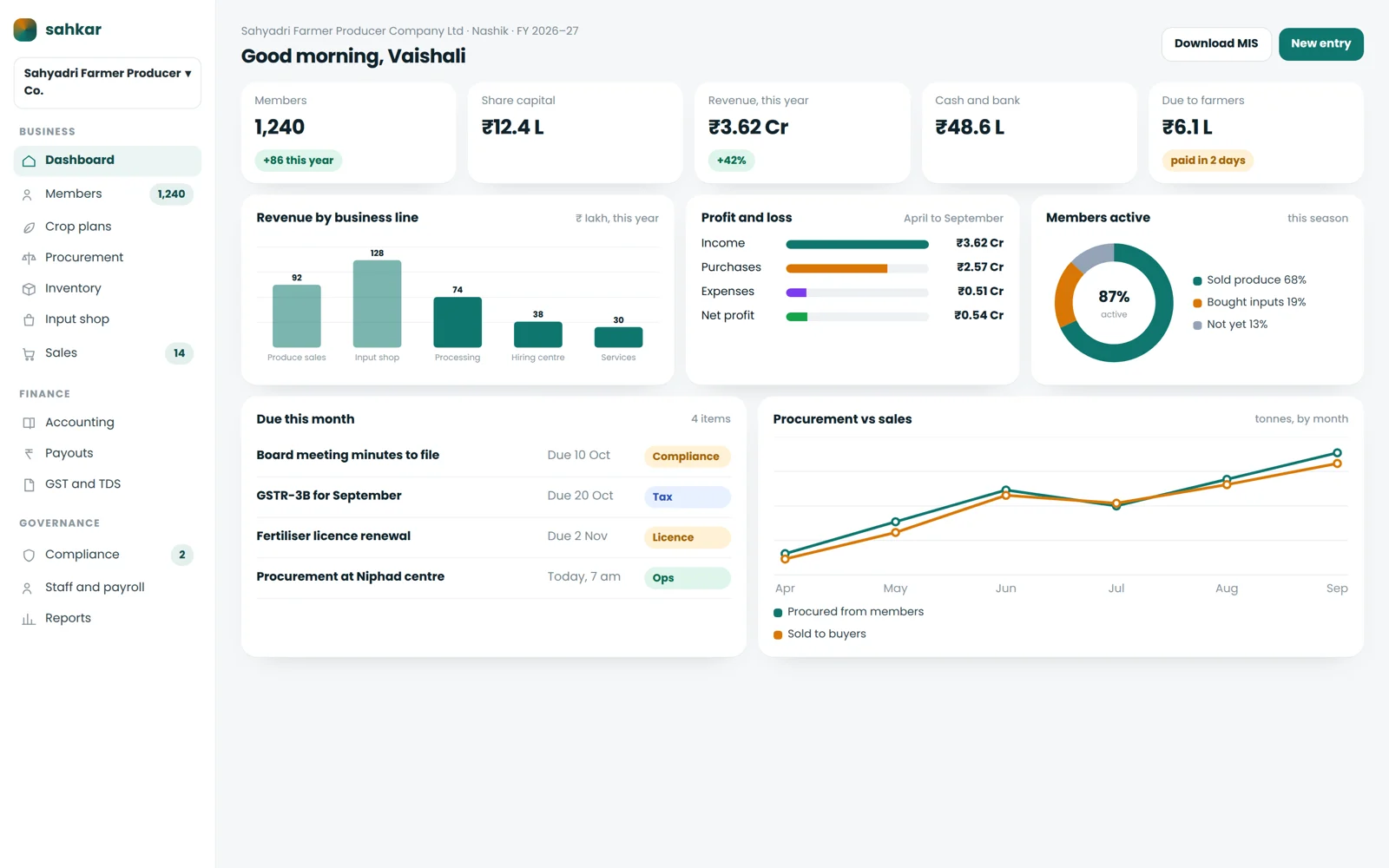
Most FPOs fail on operations, not intent. A buyer asks for four tonnes of a single grade by Thursday, and nobody can say with confidence who has it, where it is stored, what it cost to procure or whether the last consignment was paid for. The ERP answers those questions: members, procurement, harvest, grading, inventory, warehouse and books in one place, run by staff who are not accountants.
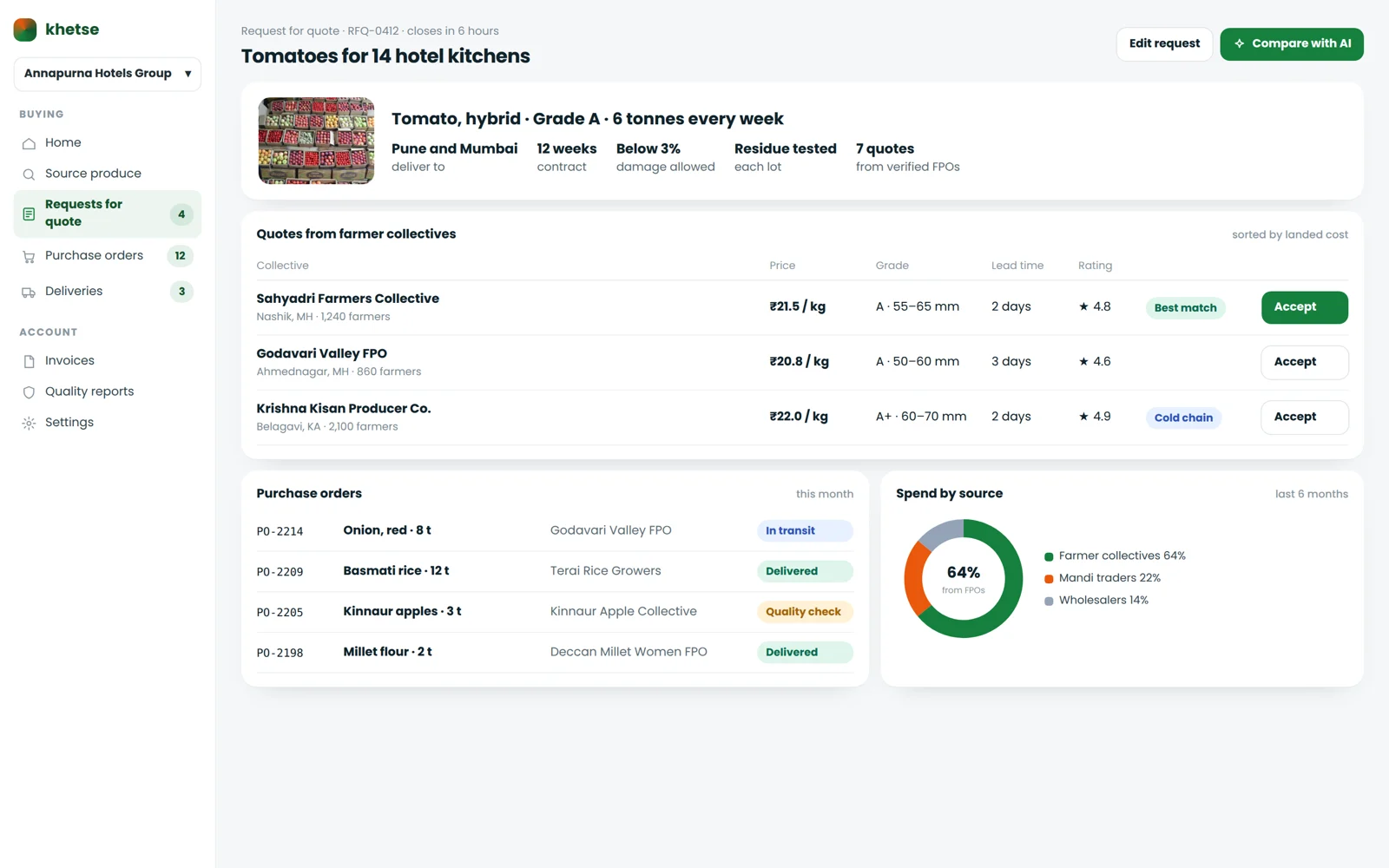
A farmer with one buyer has a price taker's life. Market linkage gives the FPO several live routes to sell: institutional buyers, processors and exporters on the B2B side, and direct-to-consumer channels for the produce that earns more when it carries a story. Listings, negotiation, contracts, logistics and payment in one flow, across several markets at once.
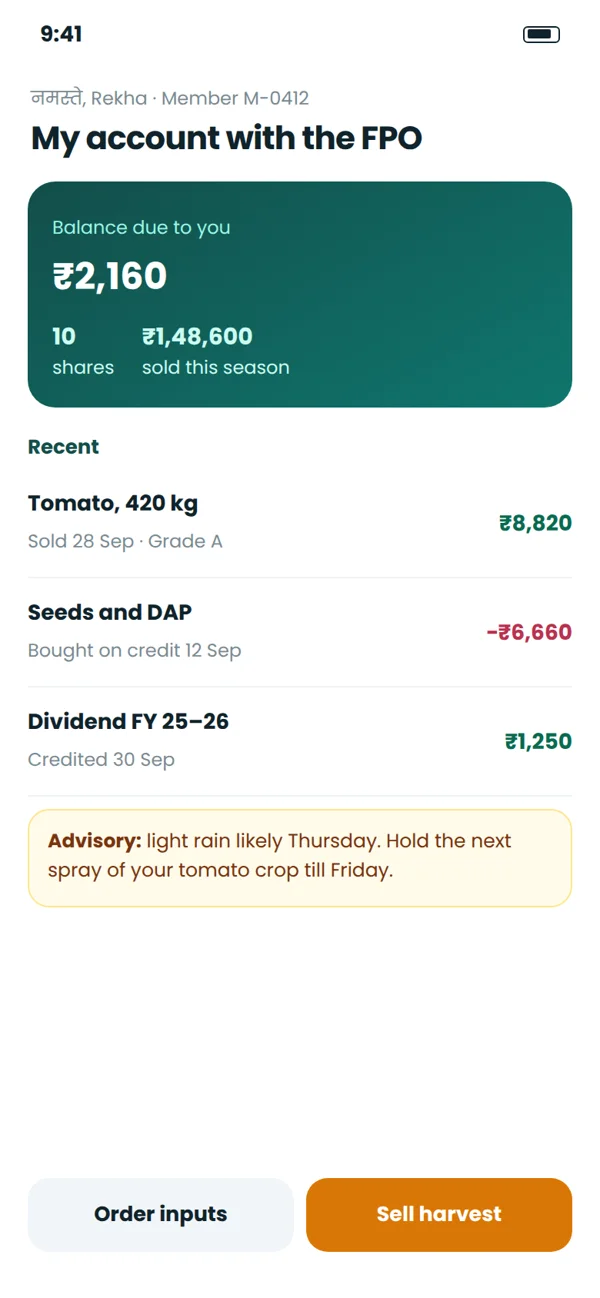
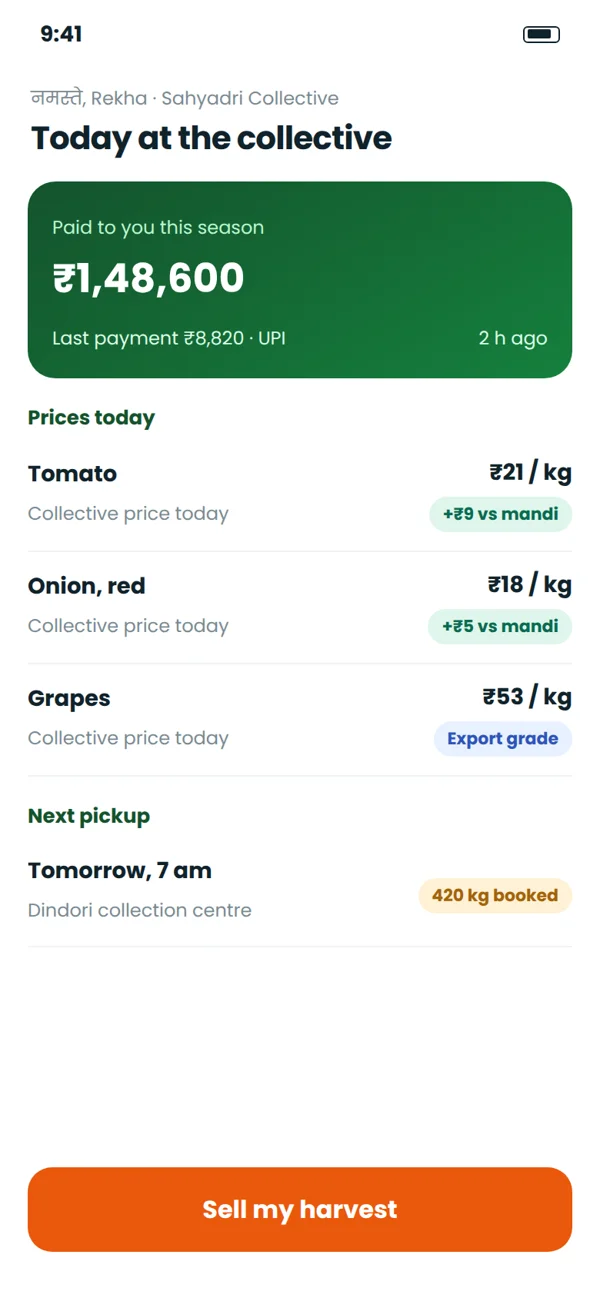
Inputs at the start, advice through the season, a record of what was done on which plot, and a way to sell at the end: the same app, in the farmer's language, working on an inexpensive phone with a weak signal. Farmers also use it to learn, to ask questions, and to see what worked for someone farming the same crop two villages away.
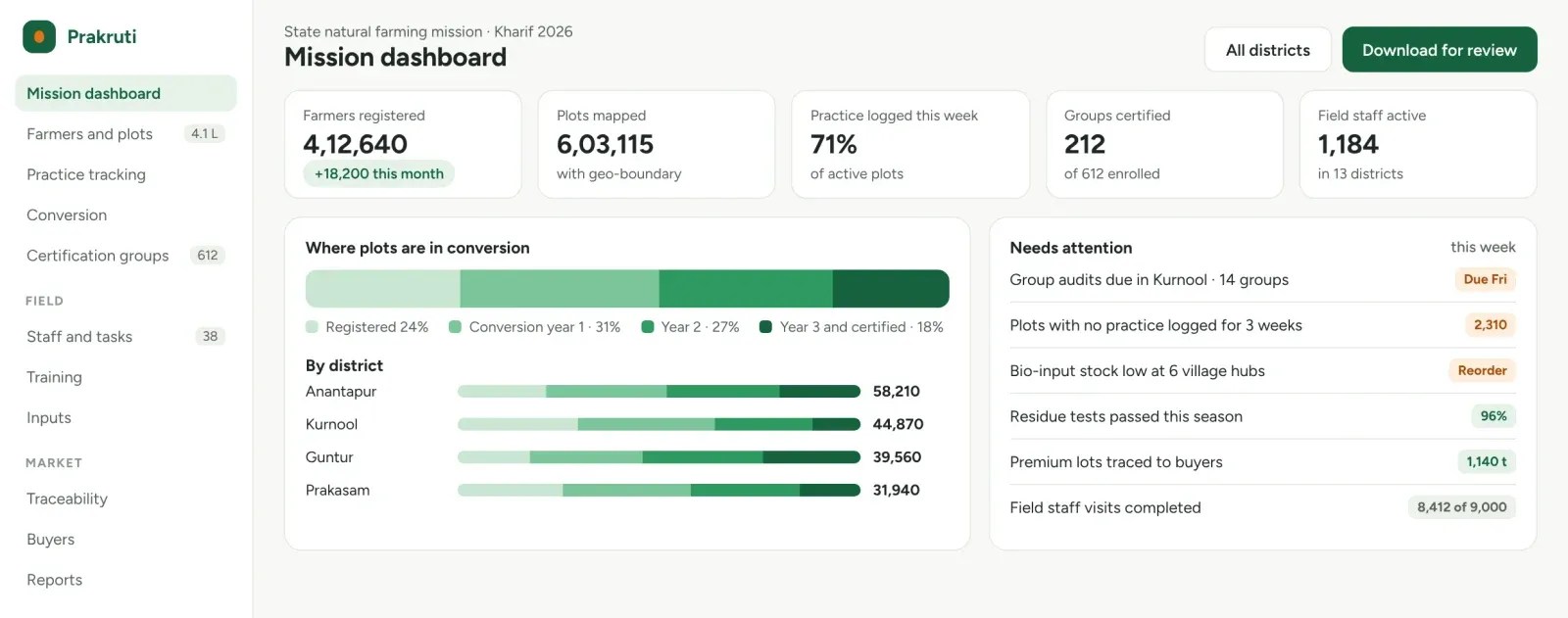
Moving lakhs of farmers to organic or natural practice means proving it, plot by plot, over several years, which is exactly where these missions stall. We run the registry of farmers and plots, the practice tracking that field staff actually fill in, the group certification paperwork, and the traceability that lets the produce command the premium the conversion was supposed to earn.
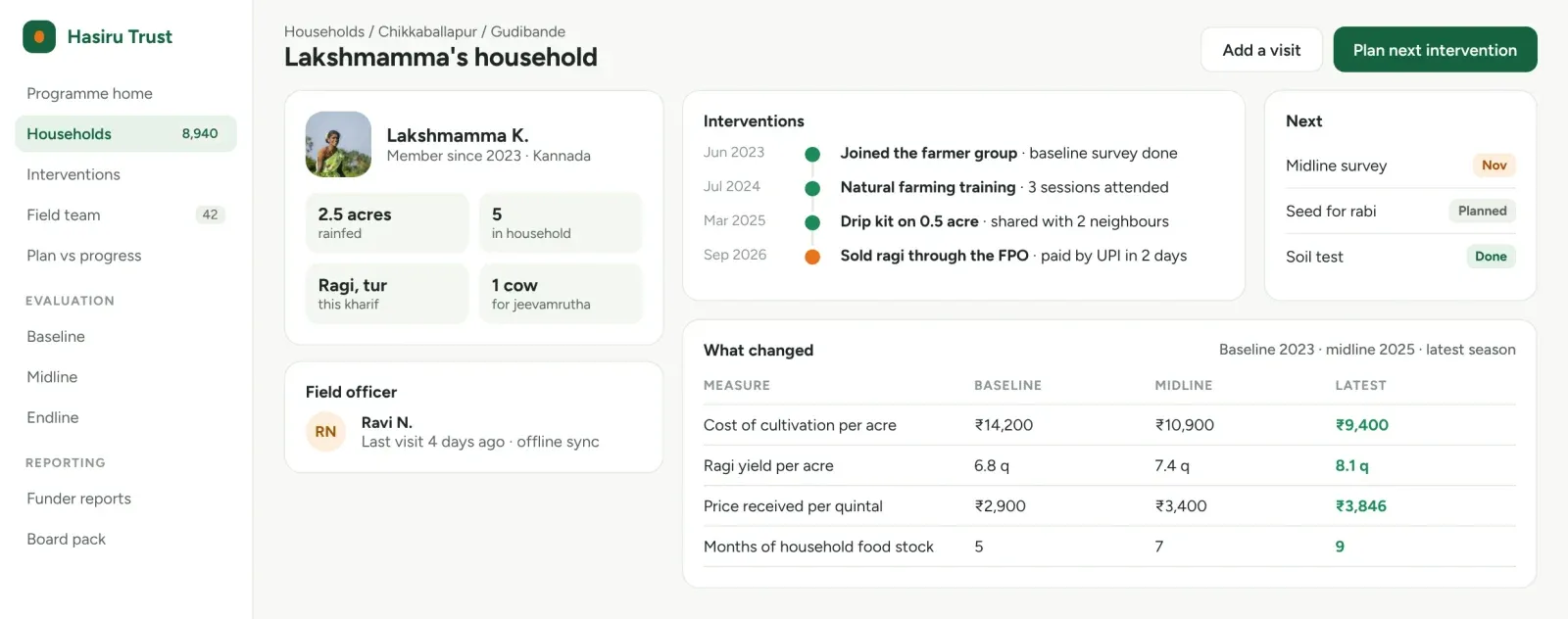
Nonprofits running farmer programmes end up bending a sales CRM into a shape it was never built for. This one starts from the household: who they are, what they grow, which interventions they have had, what changed. Field staff tooling works on a phone in a field, and reporting produces baseline, midline and endline without three weeks of spreadsheet surgery.
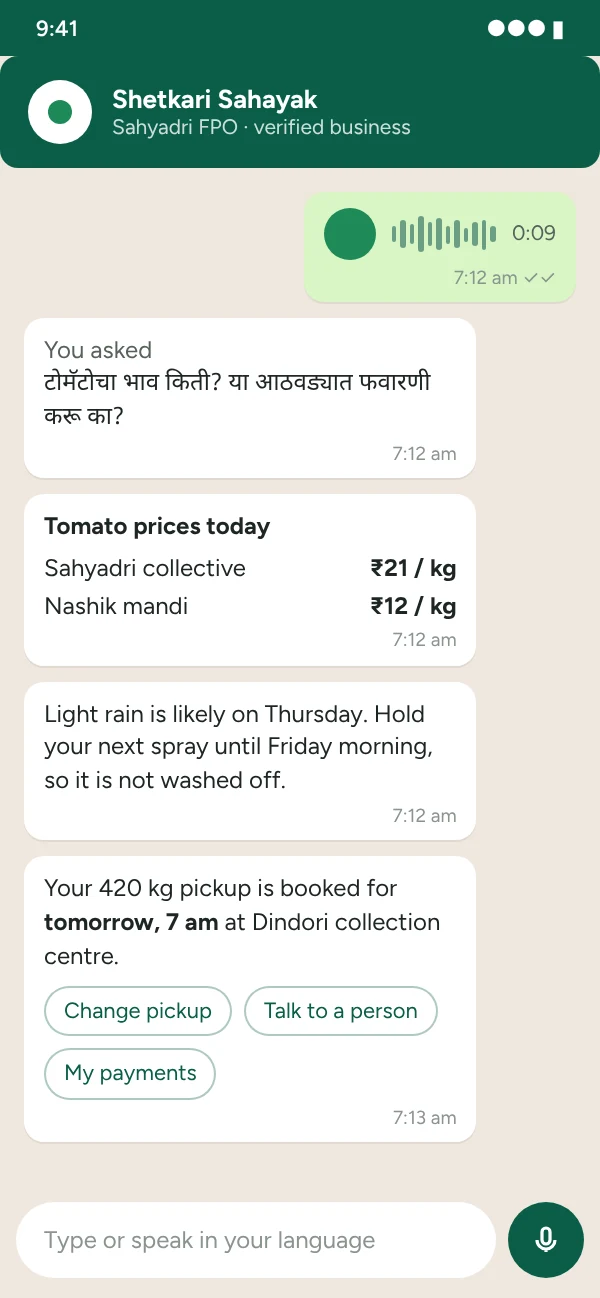
Asking a farmer to install one more app is a real cost. Most of what they need, from today's price and whether to spray to when procurement opens and where their payment is, fits inside a WhatsApp conversation in their own language, with voice for anyone who would rather speak than type. It is also the cheapest way to reach the farmers who are not yet in any programme.
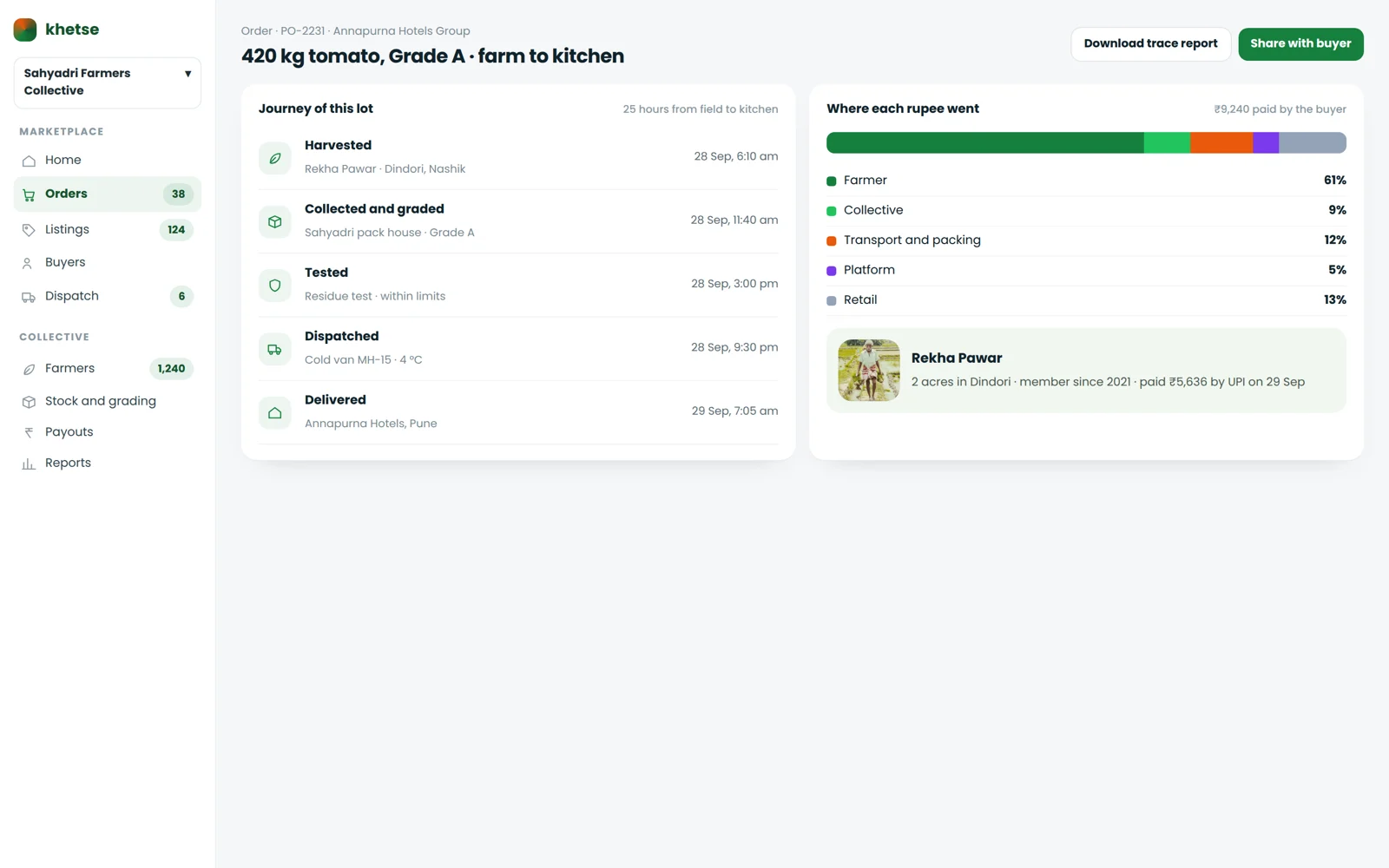
QR-based traceability follows a lot from the farmer who grew it to the kitchen that cooked it, and shows where each rupee went.
Most agri software is designed in a city and dies in a field. These constraints are not features we added later; they decided how everything was built.
Used standing in a field, often by someone who has never filled in a form on a phone before. Fewer screens, bigger targets, no jargon.
Every interface in the language the farmer actually speaks, with voice where reading is the barrier.
Offline capture that syncs when the network returns, because procurement day does not wait for coverage.
Standards and APIs so third parties can build on it: the only route to a platform the sector eventually owns.
 No poverty
 Zero hunger
 Gender equality
 Decent work and economic growth
 Responsible consumption and production
 Climate action
 Life on land
 Partnerships for the goals
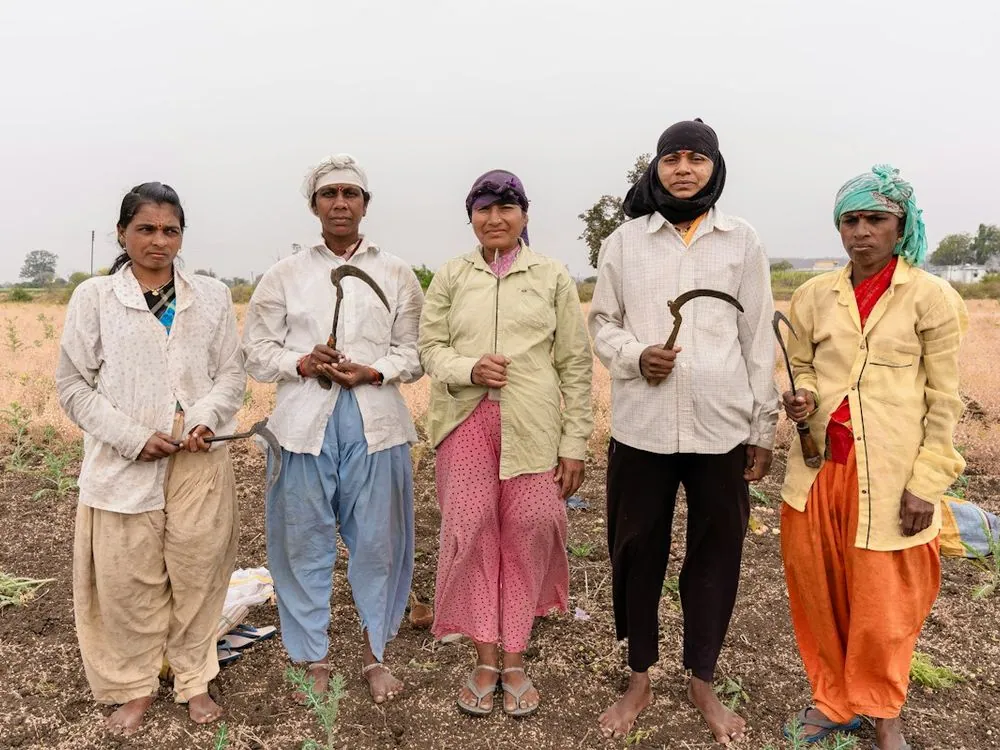
The end state we are working toward is not a large agri-tech company with many farmer users. It is a farmer-owned collective that runs the platform itself, with inputs, outputs and services, and with us as one of the contributors rather than the landlord.
A project ends when its funding does. A platform keeps compounding.
Food security is not achieved by a good harvest. It is achieved when farming is a life worth staying in.
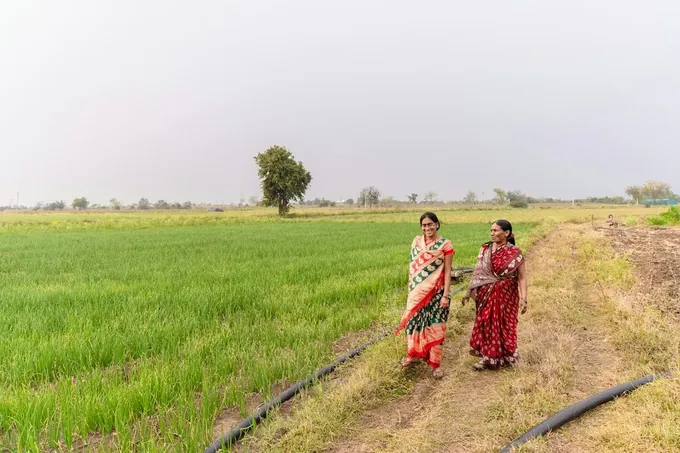
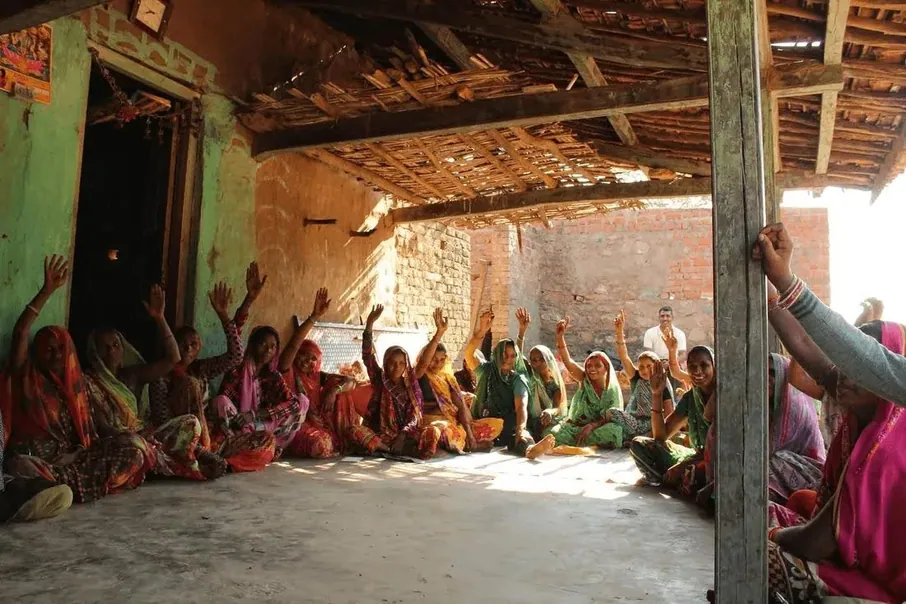
The smallholder and the FPOs they organise into.
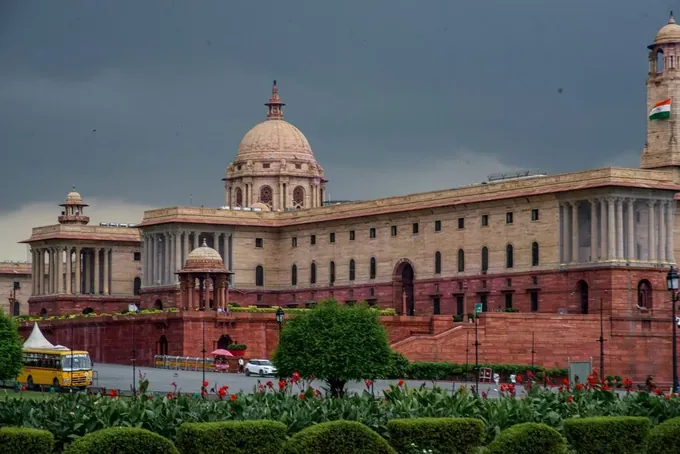
State and national programmes shaping the sector.
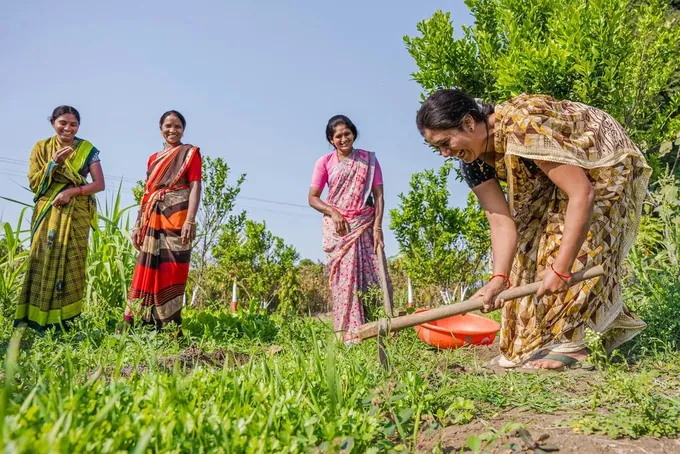
Foundations and CSR moving resources to the ground.
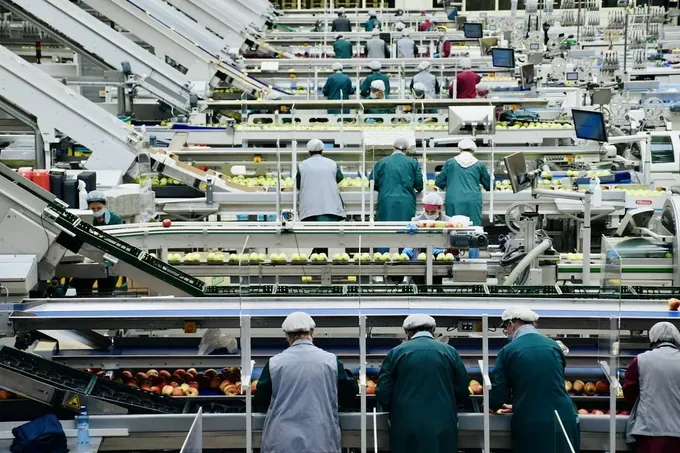
The enterprises that buy, move and add value.
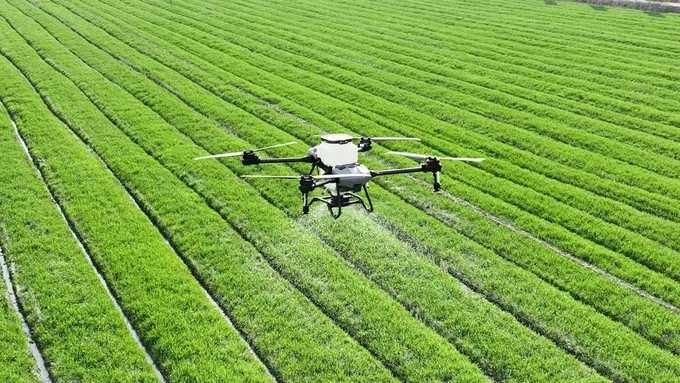
Builders whose tools need to survive real conditions, not just the demo.
“We do not start with a proposal. We start by understanding your problem well enough to deserve one. Bring it to us as it is, messy is fine, and we will figure out the way forward together.”
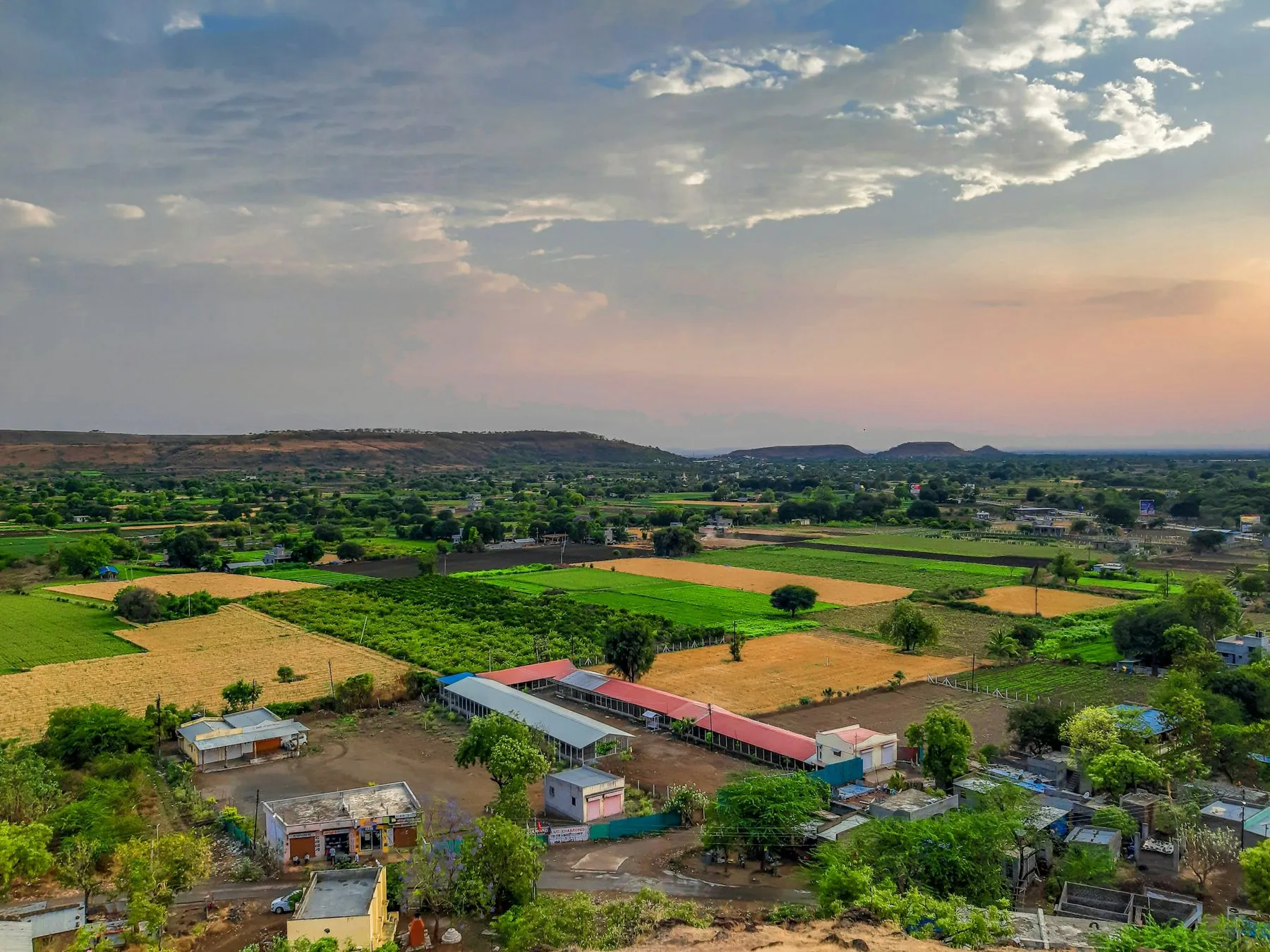
We shape agricultural programmes from first concept, then build the model that lets them grow without falling apart.
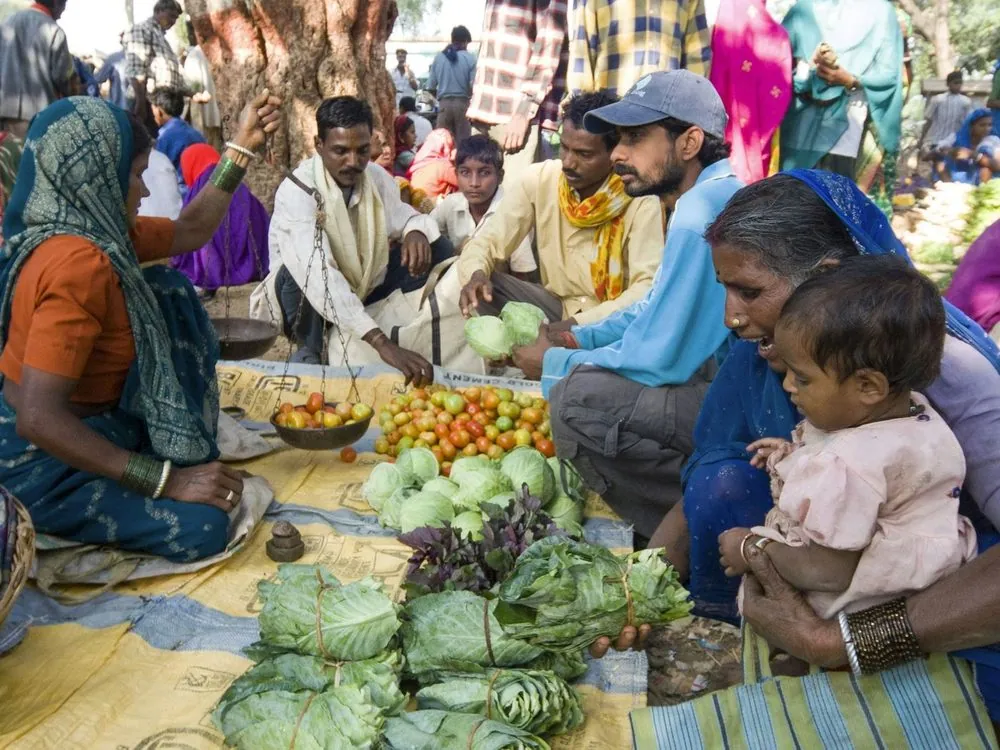
How food actually reaches people: the pathways, touchpoints and moments in between, so every stakeholder can use the tools built for them.
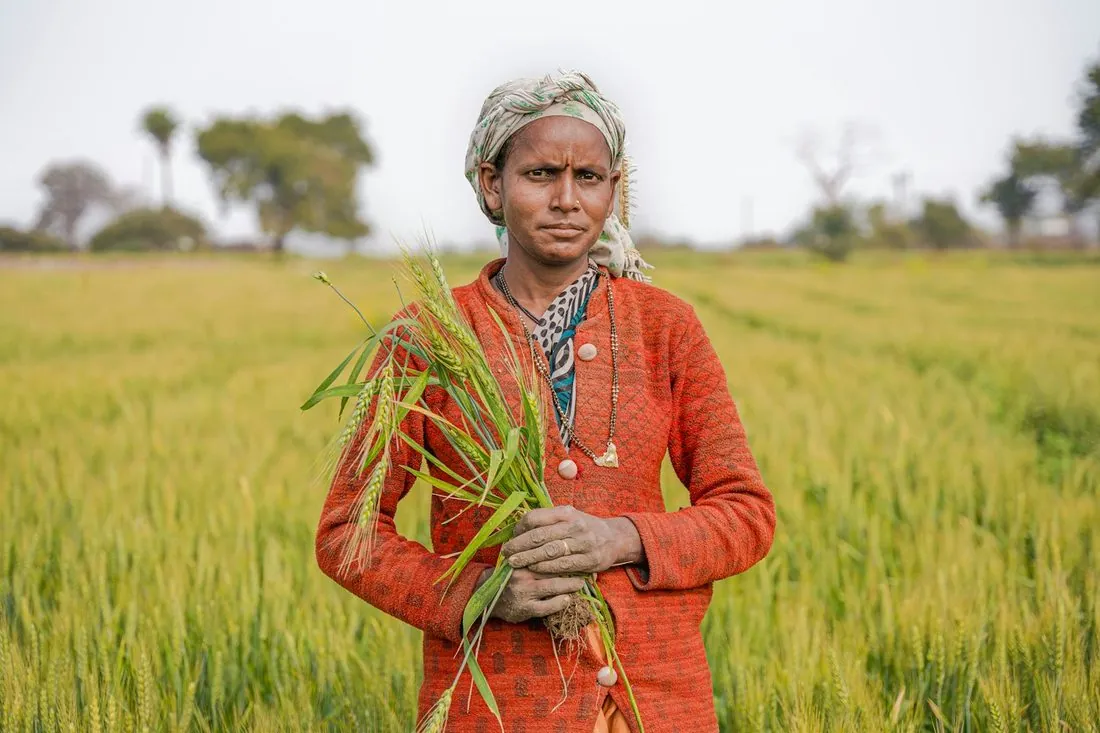
Built to be adapted, extended and used by the organisations doing the work.
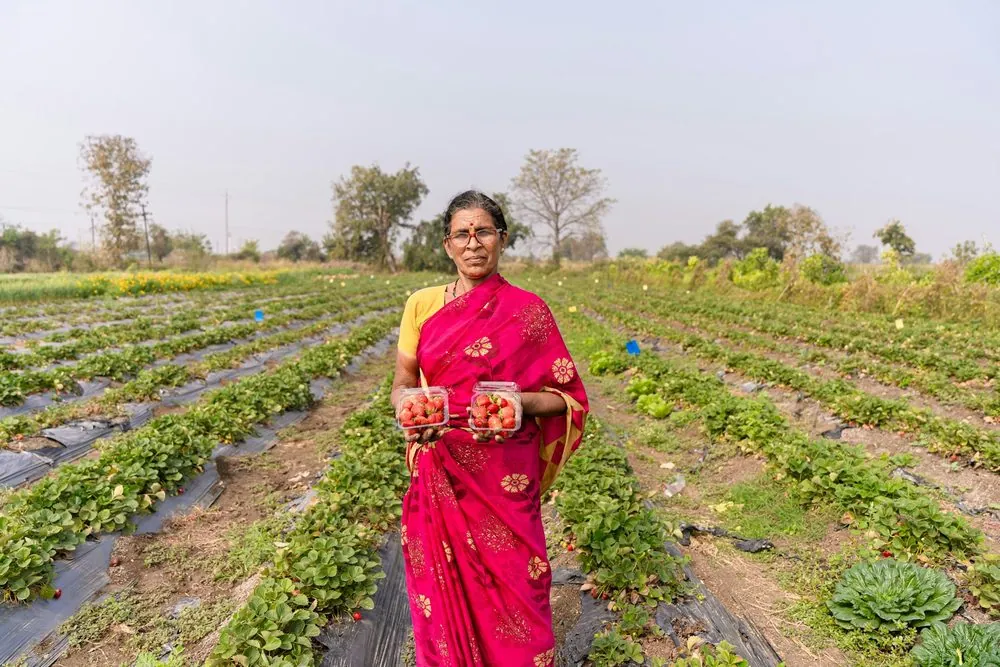
Deployment, training and handover. Technology that is not adopted is not infrastructure.
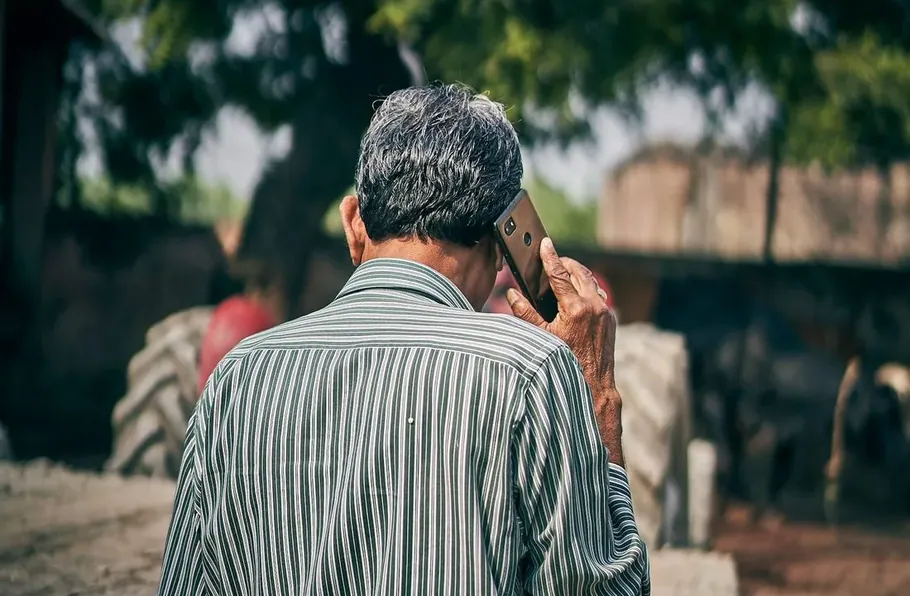
A complete ERP for Farmer Producer Organisations: members and shares, input business, procurement, warehouse, sales, accounting, GST, compliance and payroll, linked to a farmer.
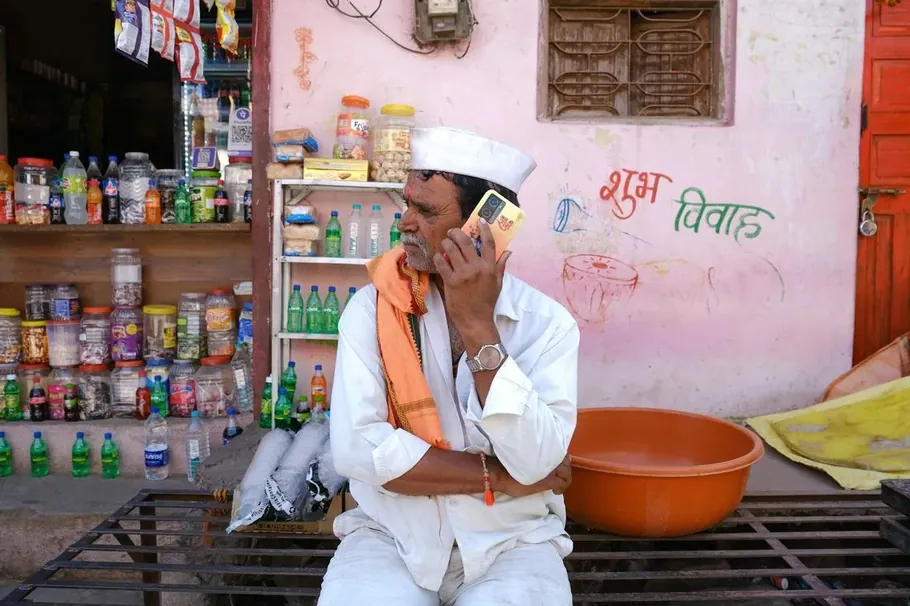
A B2B and B2C marketplace that connects farmers, FPOs and artisans to buyers: storefront, bulk trade, FPO systems, traceability and fast farmer payouts.

Run a natural farming programme end to end: farmer and plot records, advisories, field visits, practice adoption and the income it changed.
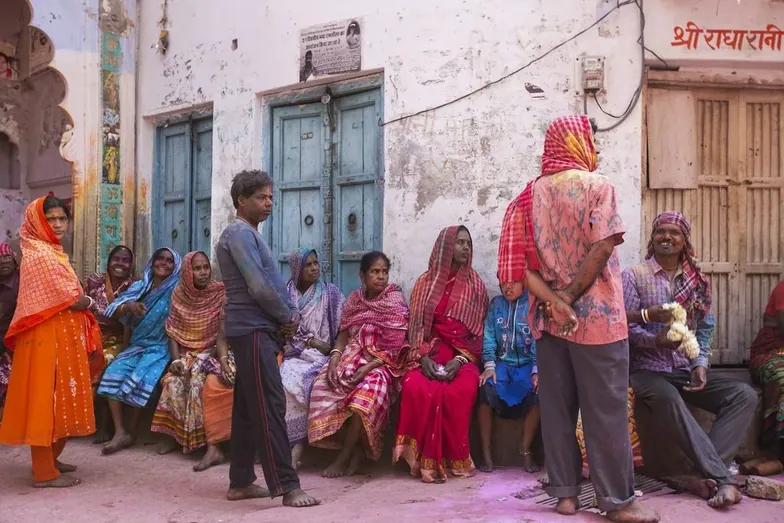
Rural development on one record: the village institutions that carry the last mile of every programme, and the systems that hold them up.
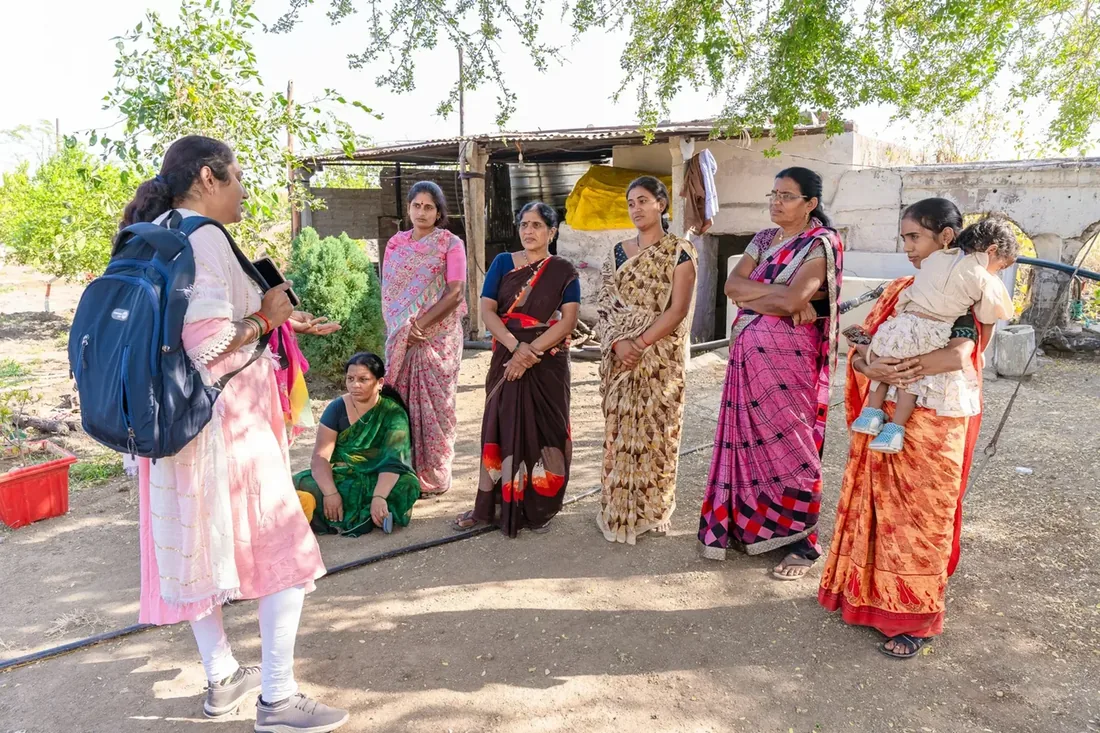
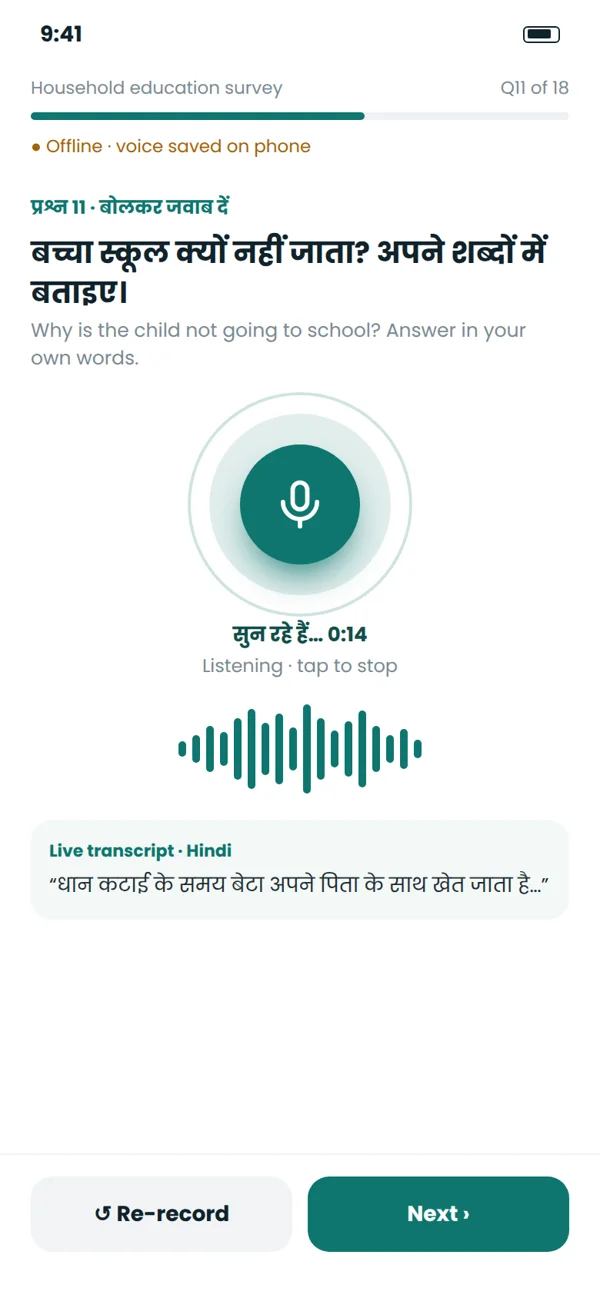
Surveys for the social sector: build in minutes, collect on web, WhatsApp and an Android app that works offline, check quality as answers arrive.
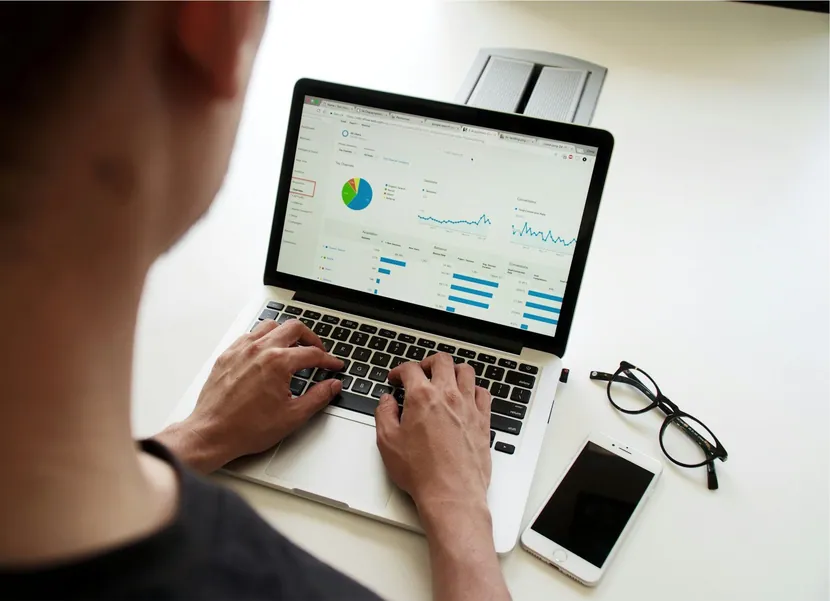
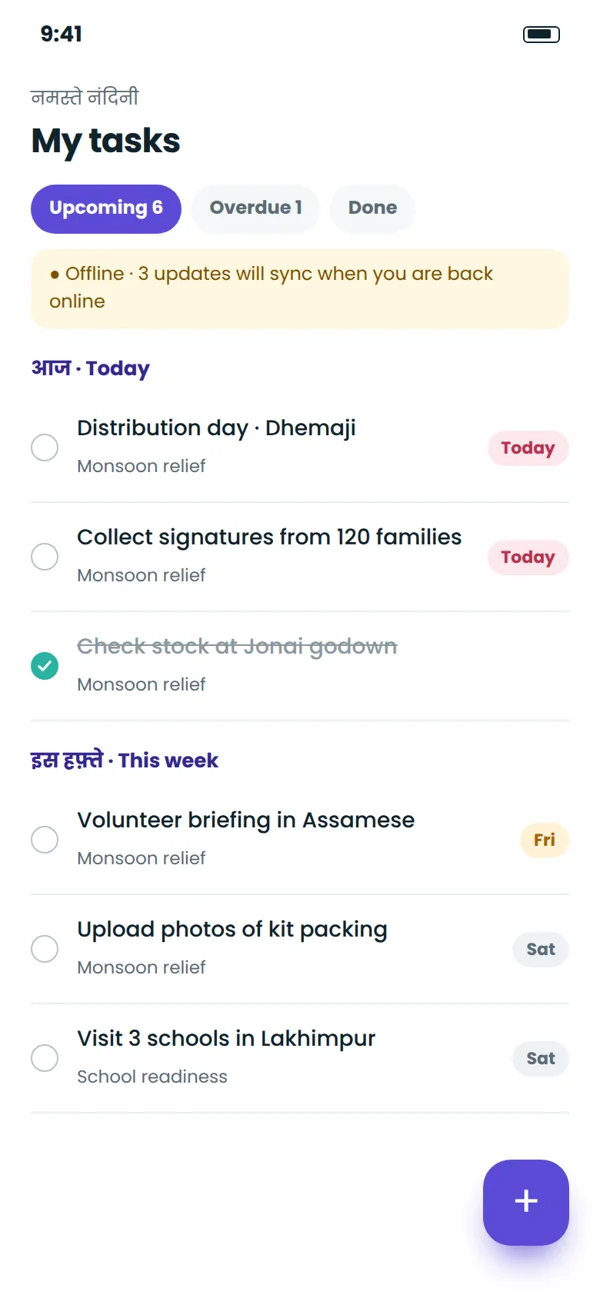
Project management for nonprofits: organise teams, volunteers and partners into projects and tasks, with lists, boards, timelines, portfolios, goals and a field app that works offline.
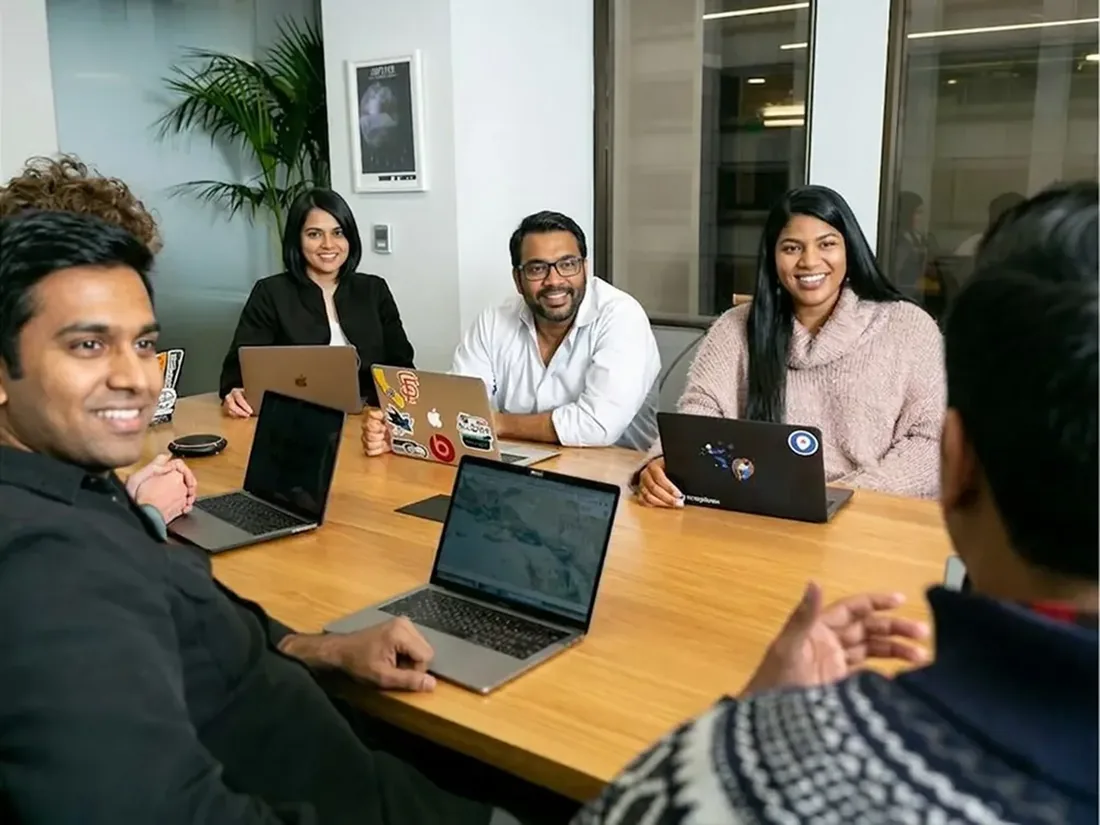
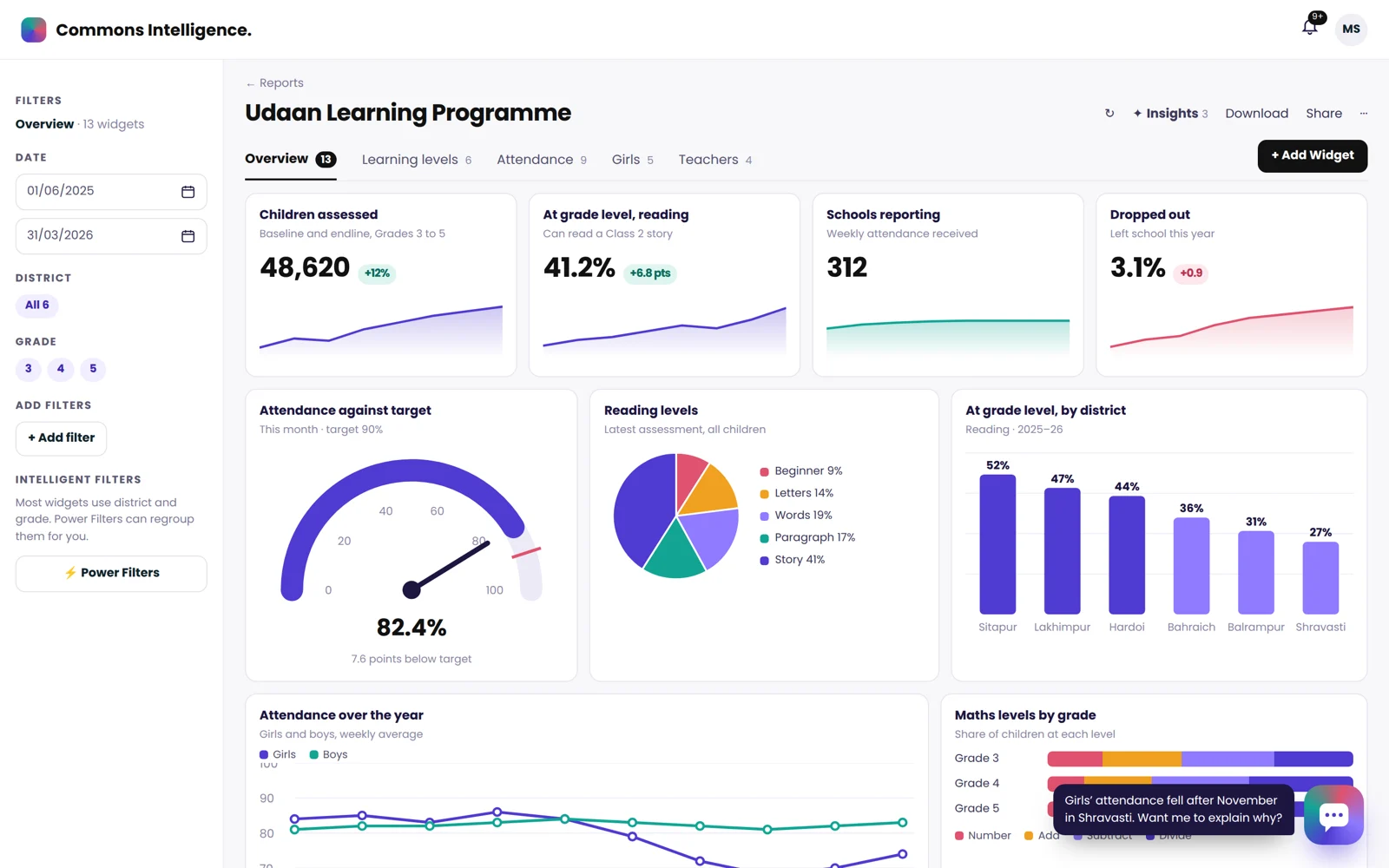
Conversational analytics: ask any question about your programmes in plain English and get live reports on learning, livelihoods and more.
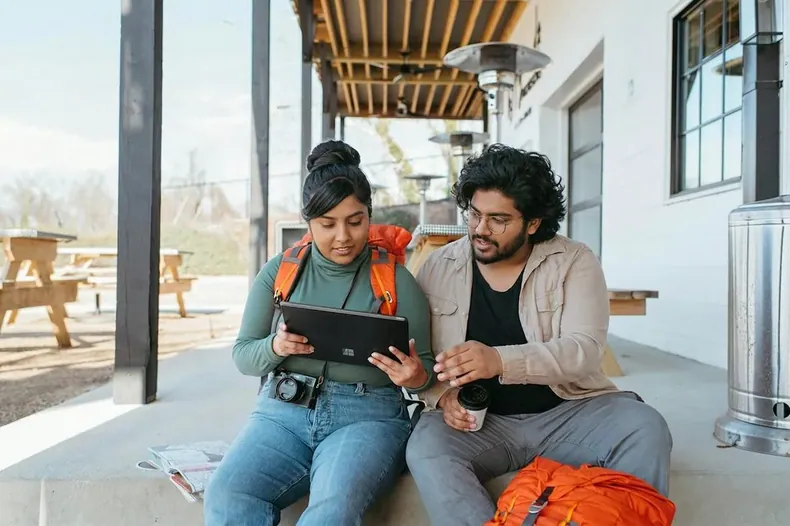
Run the whole fellowship journey: before, during and after.
Your own crowdfunding and employee giving platform, under your brand, with every donor relationship yours to keep.
Find, train, deploy and thank volunteers, and show the impact of their work.
An FPO, a state mission, a nonprofit programme or a buyer looking for a reliable supply: we will tell you honestly where we would start and what it would take.
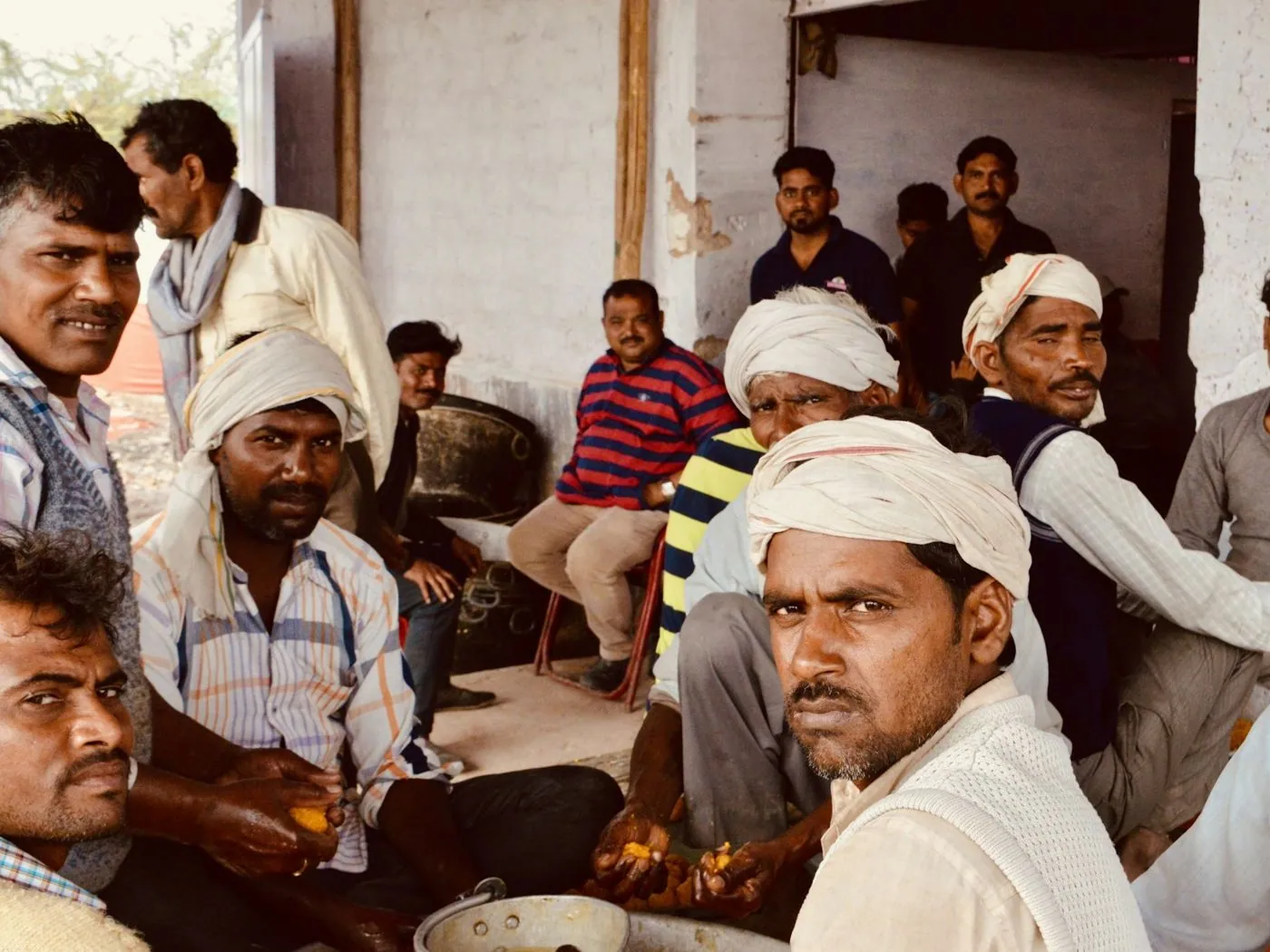 Survey
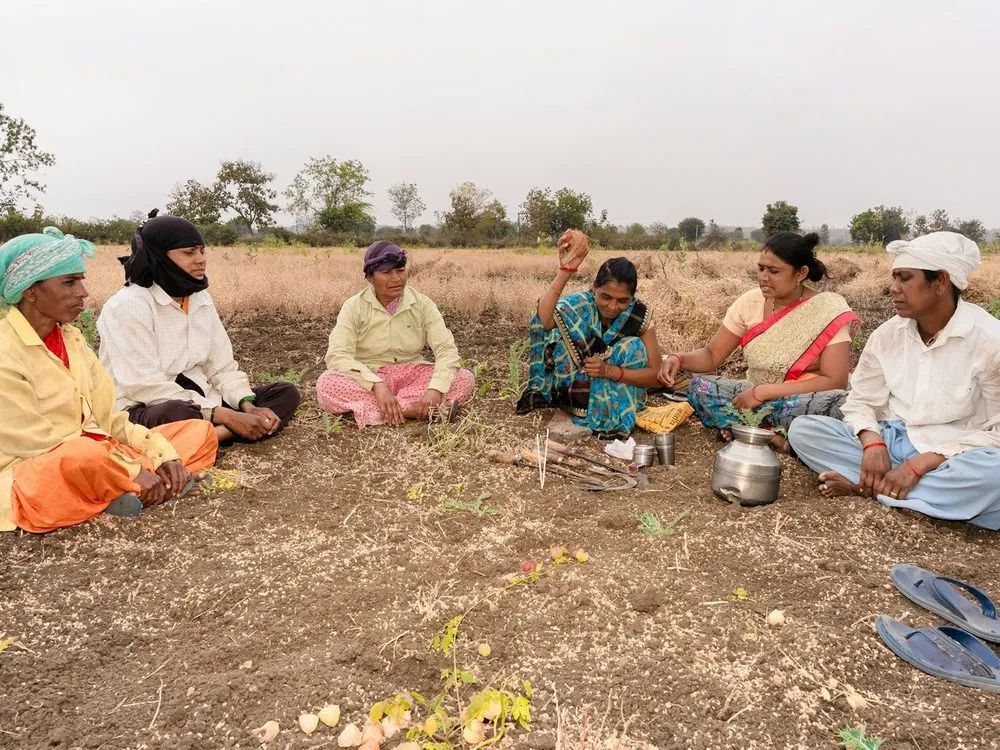 Sell
 Buyers