


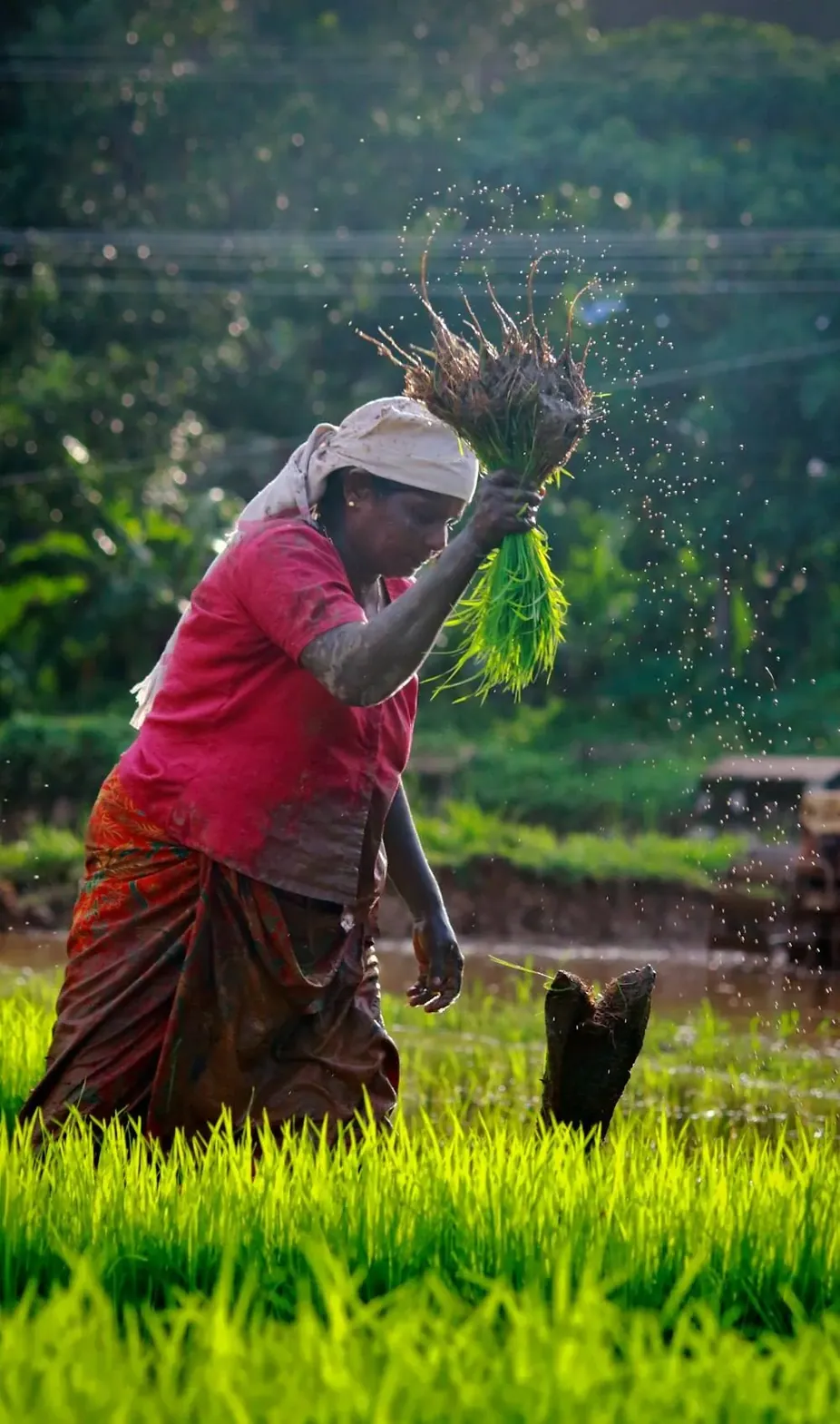
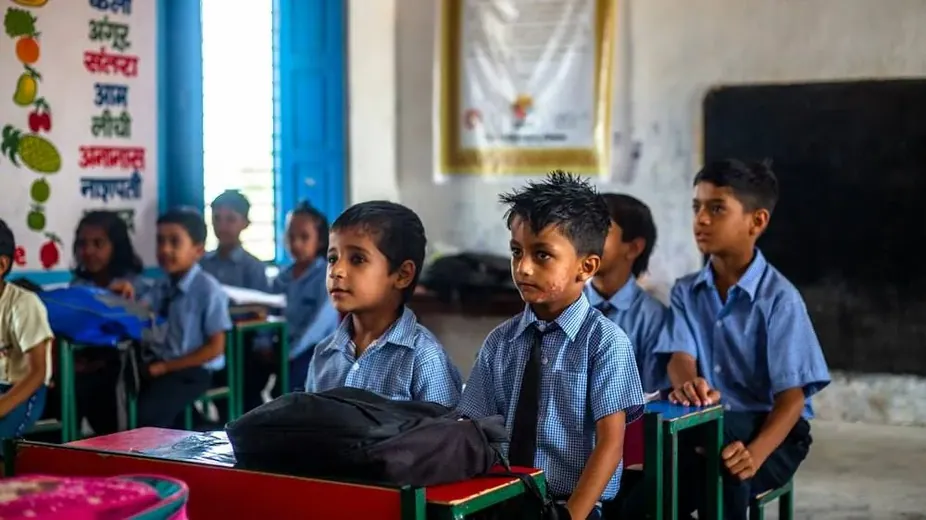










We build for the village.

So that when a child needs someone, the someone is ready. A teacher who notices, a principal who makes room, a mother who is finally asked, and technology quiet enough to tell each of them what this child needs this week.

Scroll

It takes a village to raise a child.

This is not sentiment. It is an accurate description of how children actually grow up. No single adult, however good, sees enough of a child's day to catch everything. The teacher sees the classroom. The mother sees the evening. The tutor sees the gap. The principal sees the school. A child is raised in the overlap between them.

Most of the time they are willing but unequipped.

A society moves forward when each of those people is able to play their part to their full potential, and is available at the moment a child needs them.

  1. 01

    The teacher does not know which three children need what.

    She has forty children and one period, and no way to see which of them are stuck on the same thing.

  2. 02

    The mother is never asked.

    She usually knows before anyone else that something has changed. When she is asked, it is to be told what her child is doing wrong.

  3. 03

    The committee has a plan nobody reads.

    It meets rarely, signs what is put in front of it, and produces a development plan that nobody returns to.

  4. 04

    The volunteer is given no useful thing to do.

    The hour is there and the goodwill is there. What is missing is a session that matches what the child actually needs.

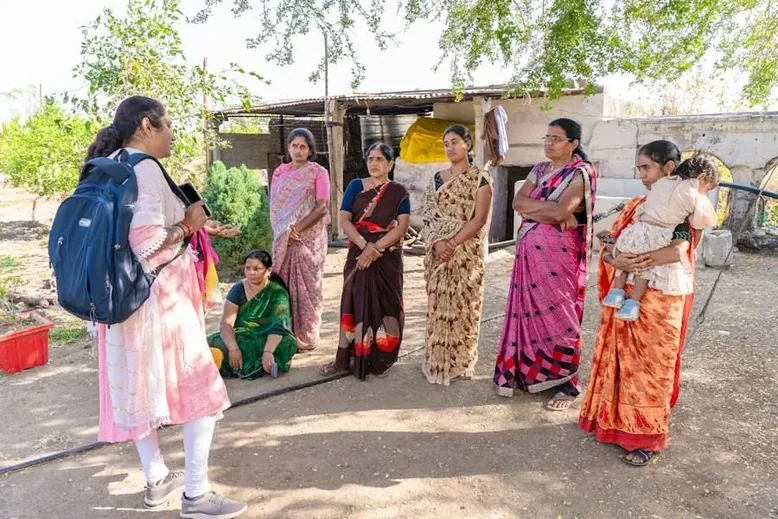
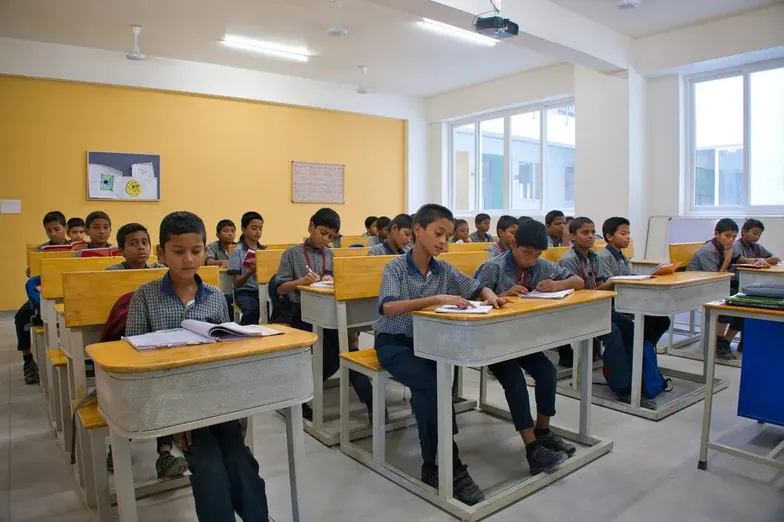
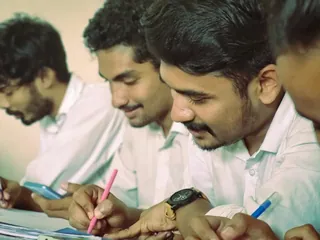
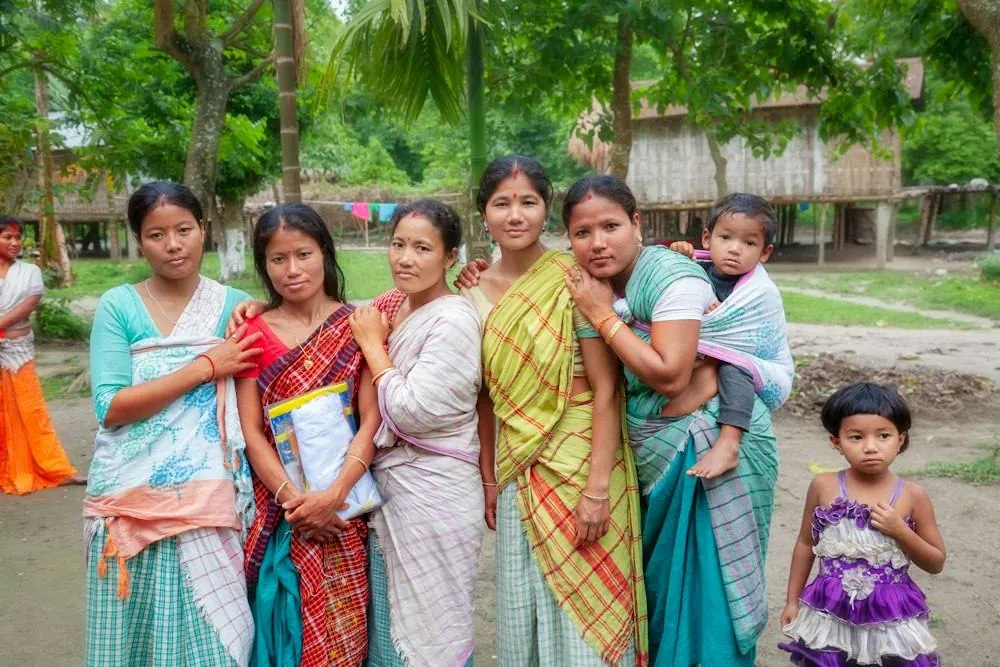
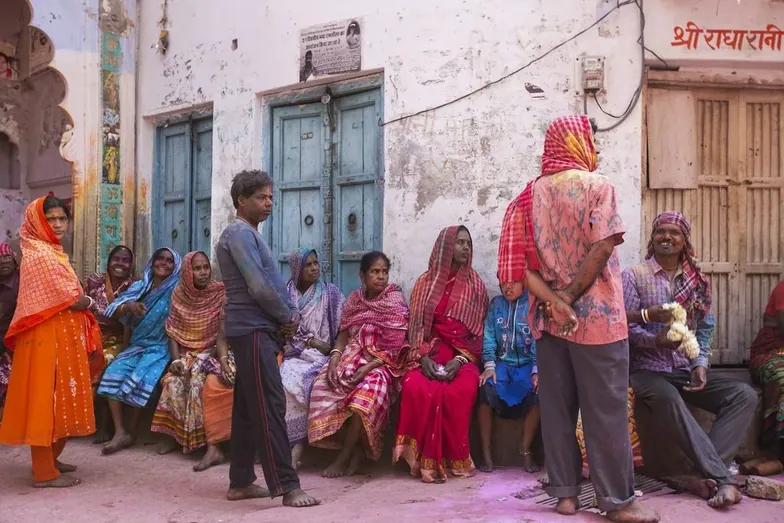
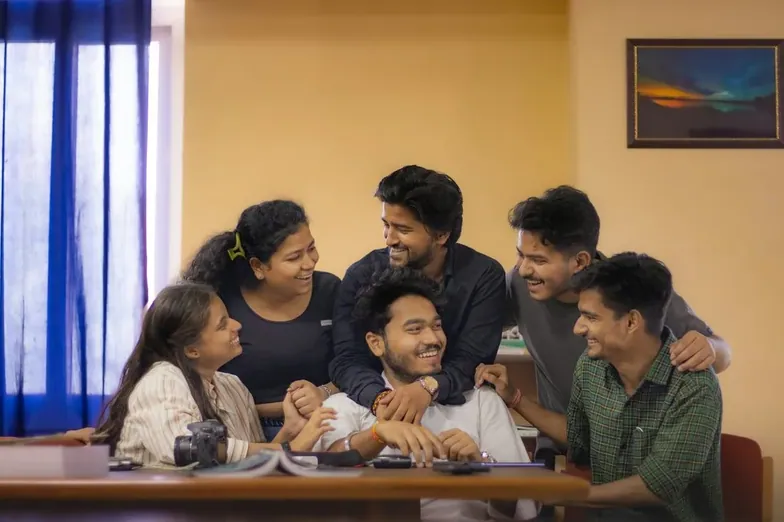
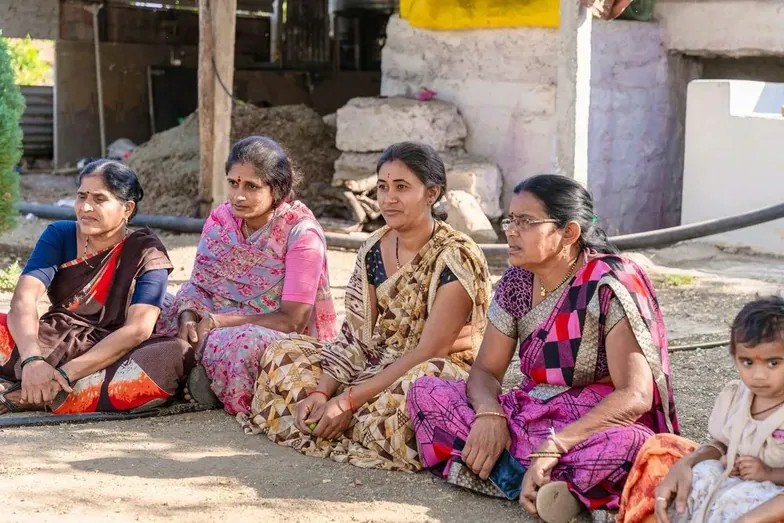
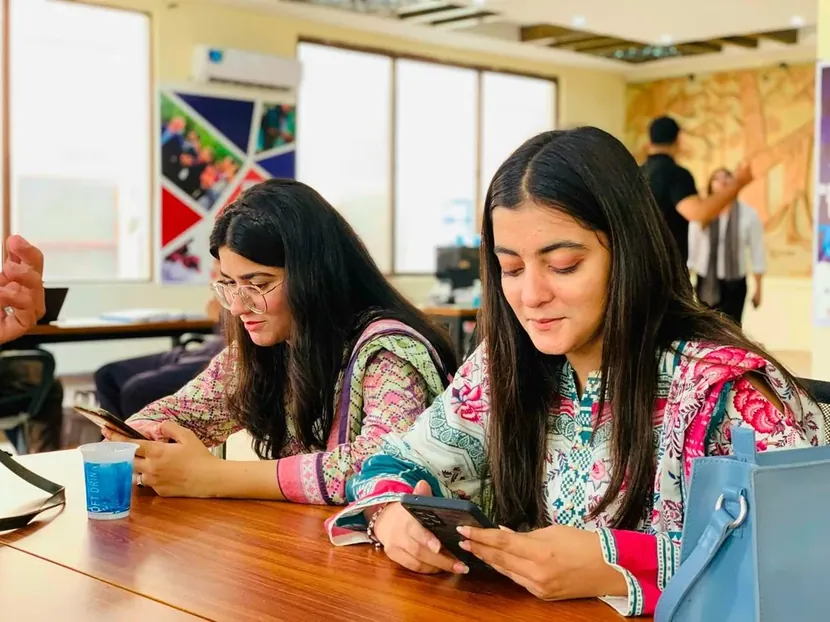
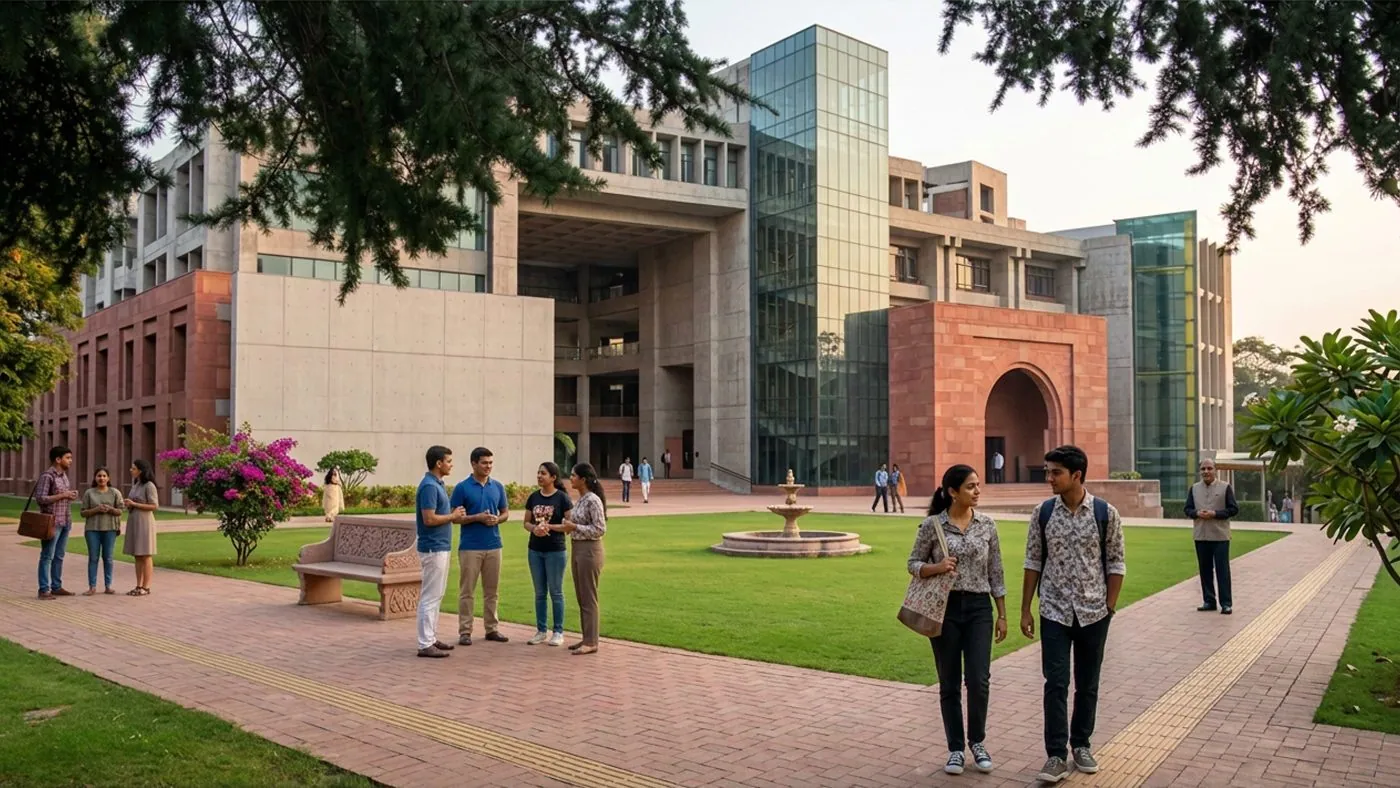
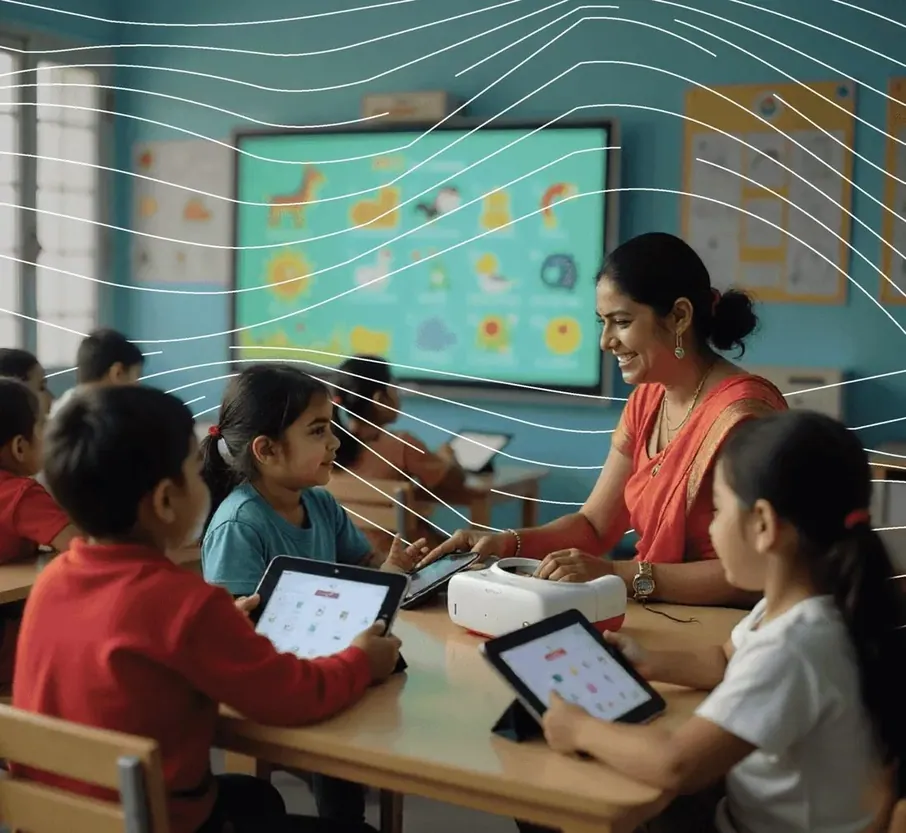
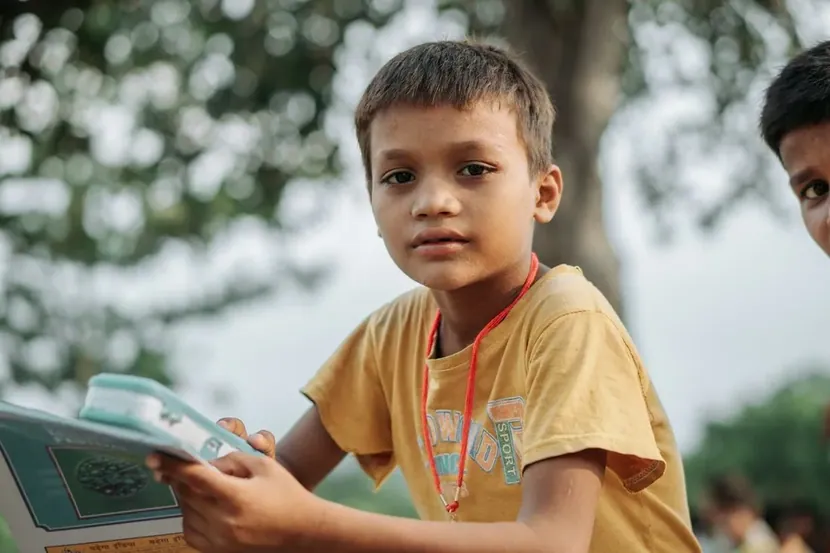
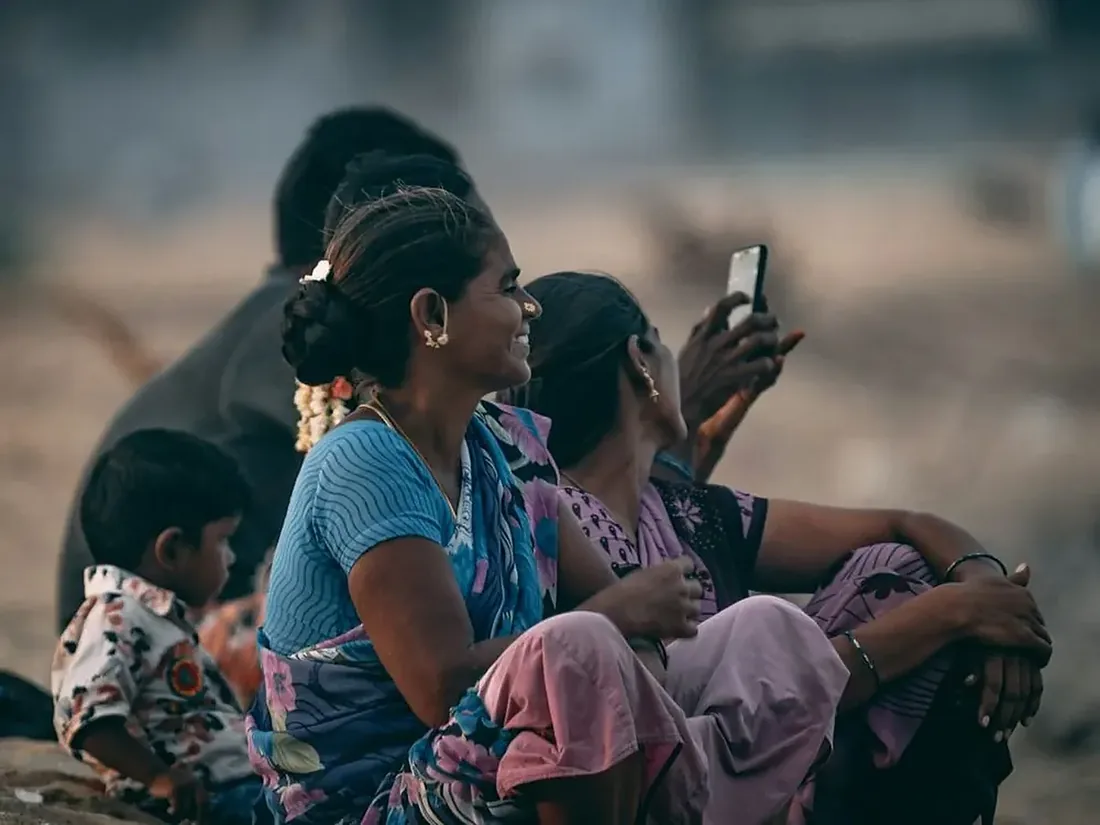
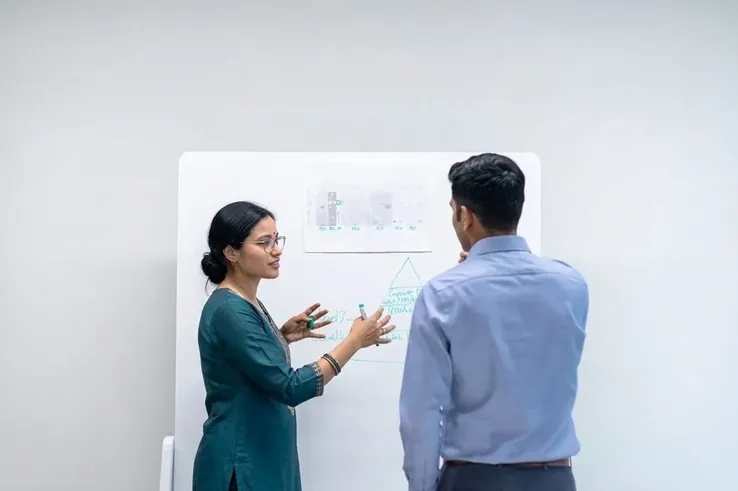
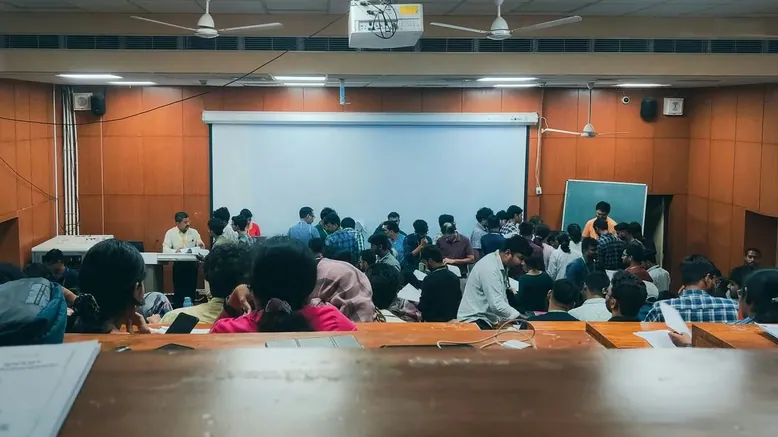
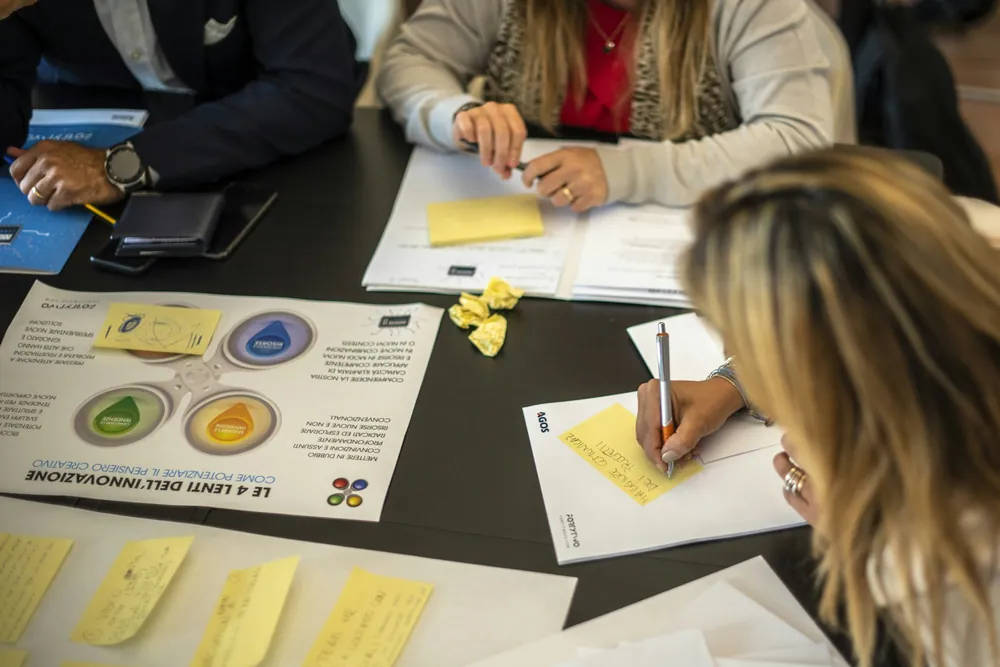
Boys at their desks in a classroomWomen seated together outsideTwo young women working at a table in a classroomStudents on a college campus lawn

We do not build products for children. We build for the adults around the child, and for the technology that should be serving them, not replacing them.

Everyone already has a role in a happier, healthier, smarter child.

Each circle is someone already in the child's life. The overlap is what they could be doing if somebody gave them the information, the confidence and the fifteen minutes it takes.

Seven pieces of work, one child at the centre.

Each one strengthens a different adult in the child's life. They run on one shared record of the child, which is what makes them worth more together than apart.

  • For the school. One record that follows the child, not the school year. Admission to exit in one place: attendance, marks, health, interventions, who spoke to the family and what happened next. When a child moves class or the teacher changes, the history moves with them instead of starting over. Interventions are tracked as a loop, not a form: flagged, assigned, done, reviewed.

    Intervention · one child, Class 4
    1. Flagged
    2. Assigned
    3. Done
    4. Reviewed
    What it covers
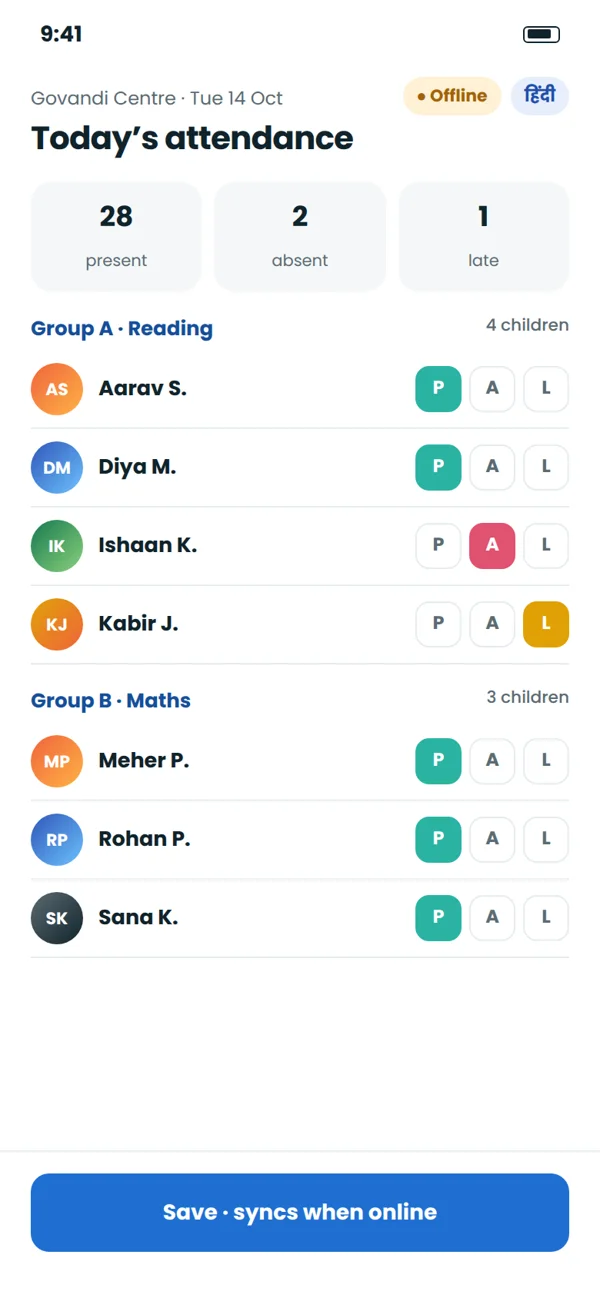
    • Student lifecycle recordsOn
    • Attendance and enrolmentOn
    • Intervention trackingOn
    • Dropout risk flagsOn
    • Timetable and staffOn
    • Cluster and district reportingOn
  • For the child. Find out what this child can do, not where the class average sits. A score tells you a child is behind. It does not tell you that she can decode words but cannot hold a sentence in her head, or that he can count on but not subtract across a ten. Our assessments locate the specific thing that is stuck, in language a teacher or a tutor can act on the same week, and notice strengths, which is usually where the confidence to fix the rest comes from.

    What she can do
    Decodes wordsStrong
    Holds a sentenceStuck
    Counts onStrong
    Subtracts across a tenStuck
    What it covers
    • Foundational literacy and numeracyOn
    • Diagnostic, not just summativeOn
    • Strength and weakness mappingOn
    • Oral and low-literacy formatsOn
    • Progress over timeOn
  • For the teacher. The teacher already knows the child. We tell them what to do on Monday. A teacher with forty children and one period does not need a dashboard. She needs to open her phone and see: these four are stuck on the same thing, here is a fifteen-minute activity for them, here is what to say to this one's mother. Built for a low-end phone, patchy network and five spare minutes.

    Monday · Class 3
    • !Four children stuck on the same thing
    • Fifteen-minute activity ready
    • !What to say to one mother
    What it covers
    • Child-level weakness alertsOn
    • Suggested interventionsOn
    • Grouping by needOn
    • Ready lesson activitiesOn
    • Parent conversation promptsOn
    • Works offlineOn
  • For the principal. A school rarely rises above its principal. Most principals were promoted for being good teachers and were never taught to lead adults, run a budget, handle a difficult parent or build a culture where a young teacher will admit she is struggling. We run structured journeys over months rather than one-day trainings: a diagnostic, a cohort of peers in the same job, a coach, and small changes attempted in their own school between sessions.

    A journey over months, not a one-day training
    1. Leadership diagnosticWhere this principal starts
      Month 1
    2. Peer cohortPrincipals in the same job
      Month 2
    3. Coach visitIn their own school
      Month 3
    4. Practice taskOne small change, tried and reviewed
      Ongoing
    What it covers
    • Leadership diagnosticOn
    • Cohorts and peer circlesOn
    • Coaching and school visitsOn
    • Practice tasks between sessionsOn
    • Progress trackingOn
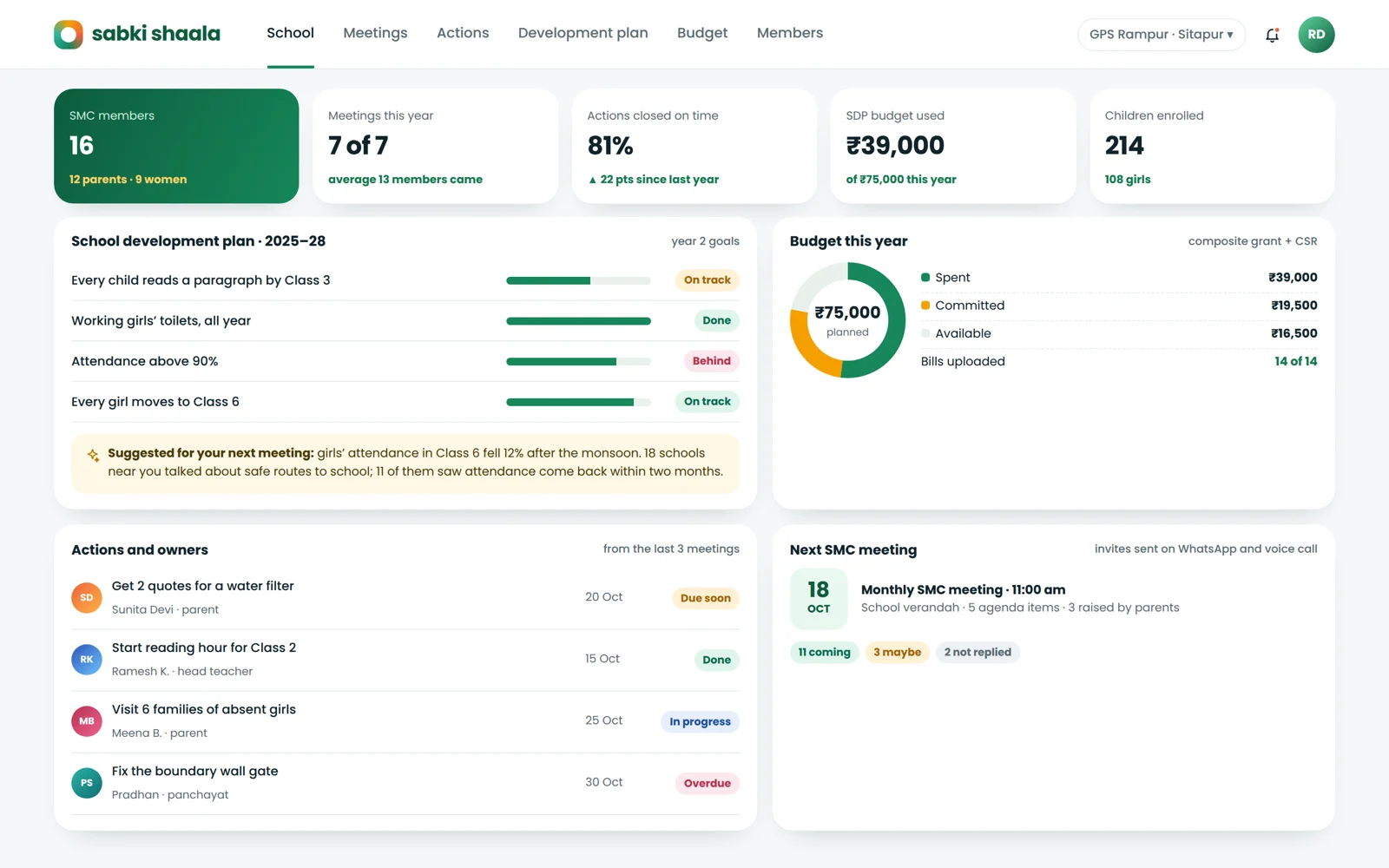
  • For the community. A school development plan the community actually wrote. On paper the committee is the school's link to its parents and its village. In practice it often meets rarely, signs what is put in front of it, and produces a development plan that nobody returns to. We work with committees to make the plan real, with a handful of priorities they chose, costed, with names against them, and to extend their attention past the school gate to whether children have light, time and quiet to study at home.

    School development plan
    • Priority they choseReading time for grade 3
    • OwnerA parent on the committee
    • CostedYes, with a budget head
    • Beyond the gateLight and quiet to study at home
    What it covers
    • Committee orientationOn
    • School development planningOn
    • Meeting and action trackingOn
    • Home learning environmentOn
    • Community reportingOn
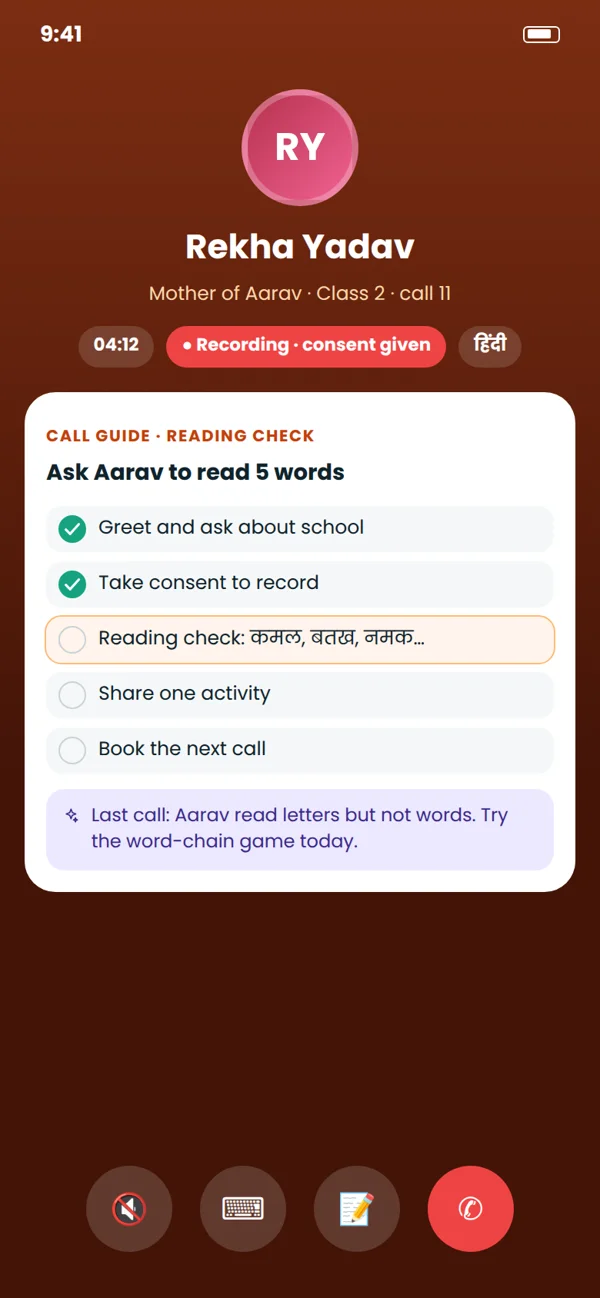
  • For the home. The most under-consulted expert on any child. A mother usually knows before anyone else that something has changed: that he has stopped wanting to go, that she is not sleeping, that the family is under strain. She is rarely asked, and when she is, it is to be told what her child is doing wrong. We run counselling that starts by listening, then works on the few things that move a child most: routine, sleep, time to study, how to respond to a bad mark, and when to ask the school for help.

    This week · mothersLive
    • One-to-one, starting by listeningListen
    • Mothers' groupRoutine
    • Ask the school for helpReferral
    What it covers
    • One-to-one counsellingOn
    • Mothers' groupsOn
    • Home routine and study timeOn
    • Wellbeing and stressOn
    • Referral to the schoolOn
  • For the neighbourhood. Foundational literacy and numeracy at a cost that can scale. A child who cannot read at grade four will not recover inside a normal class. What works is a small group, a trained local person and steady extra hours. We equip tutors and volunteers, often young people from the same neighbourhood, with short training, a scripted session that matches what the assessment found, and a simple way to record what happened, so the teacher sees it too. Low cost is not a compromise here; it is the only way the hours add up.

    Session log · same four children, twice a week
    NameCameLateMissed
    • Child 1
    • Child 2
    • Child 3
    • Child 4
    What it covers
    • Tutor recruitment and trainingOn
    • Scripted session plansOn
    • Grouping by assessed levelOn
    • Attendance and session logsOn
    • Volunteer matchingOn
Intervention · one child, Class 4
  1. Flagged
  2. Assigned
  3. Done
  4. Reviewed
What it covers
  • Student lifecycle recordsOn
  • Attendance and enrolmentOn
  • Intervention trackingOn
  • Dropout risk flagsOn
  • Timetable and staffOn
  • Cluster and district reportingOn
What she can do
Decodes wordsStrong
Holds a sentenceStuck
Counts onStrong
Subtracts across a tenStuck
What it covers
  • Foundational literacy and numeracyOn
  • Diagnostic, not just summativeOn
  • Strength and weakness mappingOn
  • Oral and low-literacy formatsOn
  • Progress over timeOn
Monday · Class 3
  • !Four children stuck on the same thing
  • Fifteen-minute activity ready
  • !What to say to one mother
What it covers
  • Child-level weakness alertsOn
  • Suggested interventionsOn
  • Grouping by needOn
  • Ready lesson activitiesOn
  • Parent conversation promptsOn
  • Works offlineOn
A journey over months, not a one-day training
  1. Leadership diagnosticWhere this principal starts
    Month 1
  2. Peer cohortPrincipals in the same job
    Month 2
  3. Coach visitIn their own school
    Month 3
  4. Practice taskOne small change, tried and reviewed
    Ongoing
What it covers
  • Leadership diagnosticOn
  • Cohorts and peer circlesOn
  • Coaching and school visitsOn
  • Practice tasks between sessionsOn
  • Progress trackingOn
School development plan
  • Priority they choseReading time for grade 3
  • OwnerA parent on the committee
  • CostedYes, with a budget head
  • Beyond the gateLight and quiet to study at home
What it covers
  • Committee orientationOn
  • School development planningOn
  • Meeting and action trackingOn
  • Home learning environmentOn
  • Community reportingOn
This week · mothersLive
  • One-to-one, starting by listeningListen
  • Mothers' groupRoutine
  • Ask the school for helpReferral
What it covers
  • One-to-one counsellingOn
  • Mothers' groupsOn
  • Home routine and study timeOn
  • Wellbeing and stressOn
  • Referral to the schoolOn
Session log · same four children, twice a week
NameCameLateMissed
  • Child 1
  • Child 2
  • Child 3
  • Child 4
What it covers
  • Tutor recruitment and trainingOn
  • Scripted session plansOn
  • Grouping by assessed levelOn
  • Attendance and session logsOn
  • Volunteer matchingOn

One child, one thread, six adults.

Separately these are six decent programmes. Together they are one conversation about one child, which is what actually changes anything.

  1. 01
    Two girls writing at their desk in class

    Assess

    The assessment finds that a child can decode but cannot comprehend.

  2. 02
    A teacher and children around a tablet in class

    Group

    The teacher's phone groups her with three others and offers a fifteen-minute activity.

  3. 03
    A boy holding a book

    Tutor

    The tutor gets the same four children twice a week, with a session that matches.

  4. 04
    Women sitting outside, one holding up a phone

    Home

    Her mother is told what is happening and what twenty minutes at home would do.

  5. 05
    A woman presenting at a whiteboard to a colleague

    Lead

    The principal sees that this is true of a quarter of grade three and makes time for it.

  6. 06
    A hall full of people at a meeting

    Plan

    The committee puts reading time into the school development plan and funds the tutors.

  7. 07
    A girl smiling to camera
    What she sees

    The child

    The child, who is eight, simply experiences a year in which several adults seemed to know what she needed.

How you can work with us.

Strategy, design, technology and field operations. Engage us for one of these or all four. Most partnerships begin with one and widen once something is working on the ground.

A planning session over printed charts
01

Strategy

Deciding what to actually do. Diagnosing where children are losing ground, choosing the two or three interventions worth funding, and designing how progress will be judged before the programme starts. Baseline and needs assessment, programme and intervention design, measurement frameworks, policy and system advisory.
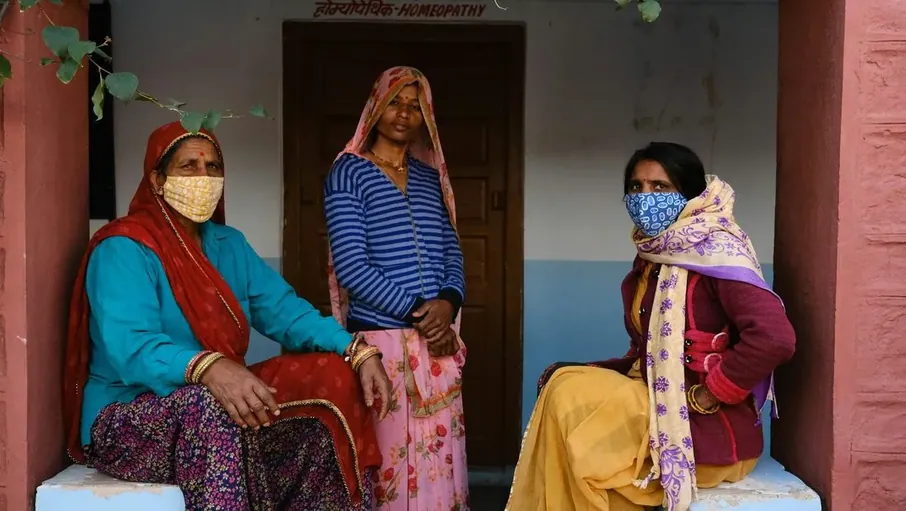

Three women standing in a doorway
02

Design

Making it usable by the person who has to use it: a teacher with five spare minutes, a mother with a borrowed phone, a committee member who left school at fourteen. Designed with them, in their language, and tested in the room. Field research with users, product and service design, content, curriculum and tools, low-literacy and multilingual design.

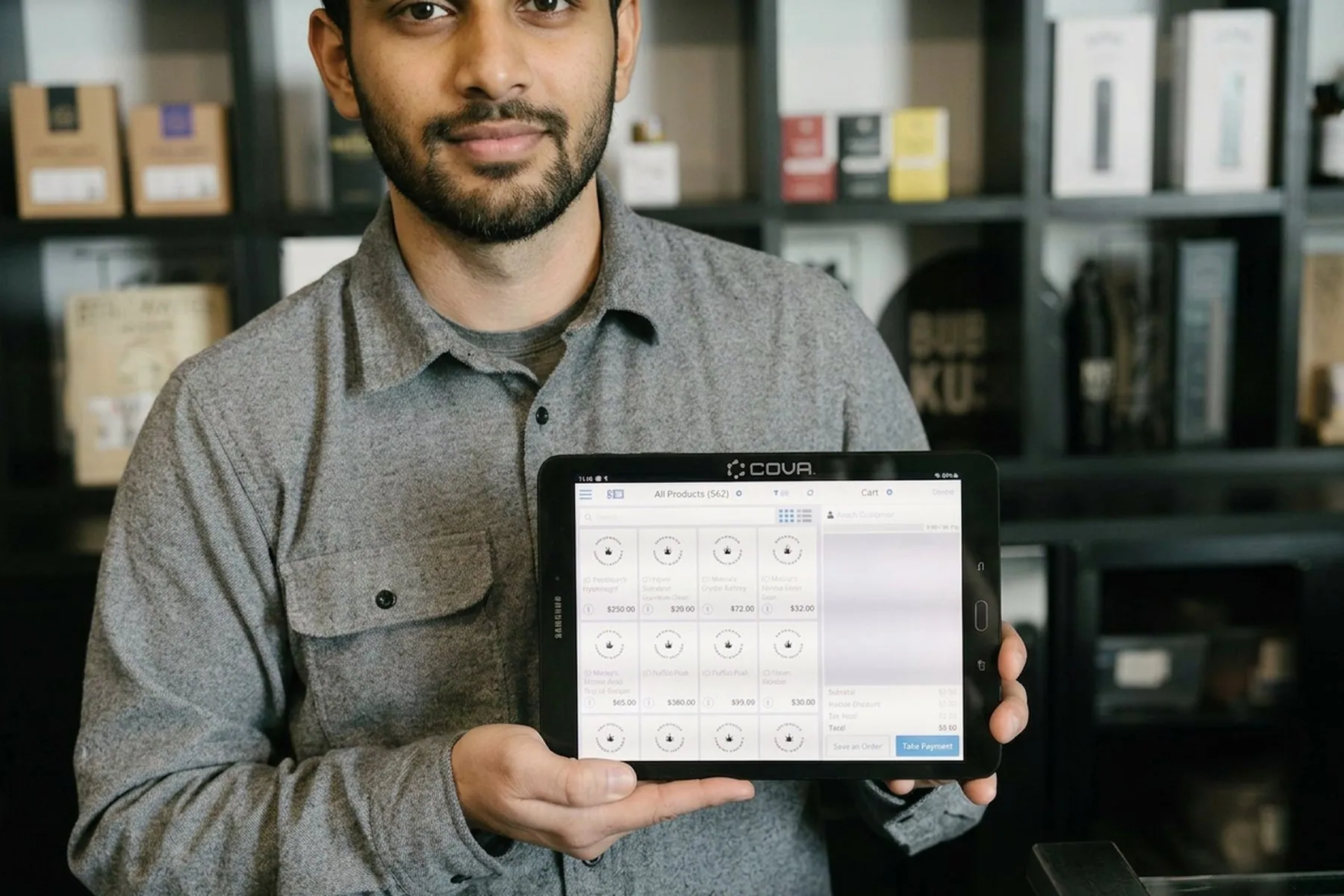
A man holding a tablet showing an app
03

Technology

Building and running the systems: school and student management, assessments, the teacher app, dashboards. Deployed under your brand, integrated with what you already run, and built for weak networks and inexpensive phones. Platform deployment and white-labelling, custom builds and integrations, data systems and dashboards, hosting, security and support.

Two men checking a tablet in a field at dusk
04

Field operations

Doing the work in the schools. Recruiting and training tutors, running teacher and principal sessions, counselling mothers, and being physically present often enough that the system is used rather than merely installed. Recruitment and training of field teams, school rollout and onboarding, ongoing coaching and supervision, monitoring, reporting and course correction.

The four are deliberately kept under one roof. A strategy nobody can operate, a design nobody built, or a platform nobody visits after launch are the three ways education programmes usually fail, and they happen when these sit with four different vendors.

Our impact on the ground.

30+Education programmes and partners
12 yrsIn Indian classrooms
4M+Learners reached through what we build
14States where our education work reaches

The Global Goals it moves.

1No poverty
3Good health and well-being
4Quality education
5Gender equality
10Reduced inequalities
17Partnerships for the goals
Women standing together, a girl with a blue backpack among them

It is not about learning outcomes. It is about who these children become.

Learning outcomes are a measure. They are a useful measure, and we track them closely: you cannot help a child you refuse to assess. But they are not the mission, and treating them as the mission is how systems end up improving a number while the children inside them grow more anxious and less curious.

The children in school today will work alongside machines that already read, write, summarise and calculate better than most adults. The scarce thing in their lifetime will not be the ability to produce an answer.

Those are relationships, not content, and they are exactly what gets squeezed out when a system is under pressure to move a score.

What will be scarce

  • Judgement about which answer matters.
  • The attention to stay with a hard problem.
  • The ability to work with other people.
  • The steadiness to keep going when something does not come easily.

None of that arrives through a curriculum

  • A teacher who noticed.
  • A mother who listened.
  • A tutor who was patient.
  • A school that felt safe enough to be wrong in.

We are trying to raise a happier, healthier, more aware generation. The learning outcomes follow. They have never been the thing we were actually after.

We build for the adults, and use technology to give them back time and attention rather than replace them. A child does not need more software. A child needs more available grown-ups.

Who we work with, across the village.

Government school systems

A woman presenting to colleagues in an office

District and state deployments, working inside existing structures and reporting lines.

School networks and trusts

Boys at their desks in a classroom

Affordable private and low-fee school groups running common systems across campuses.

Education nonprofits

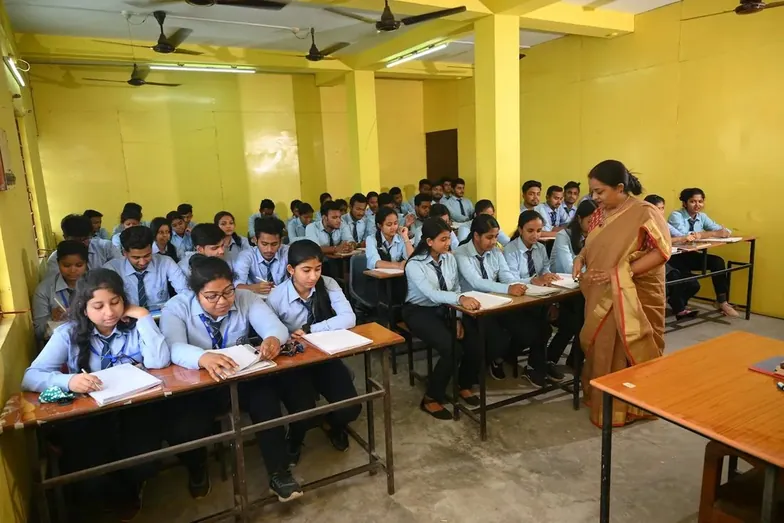
Girls in uniform at their desks with their teacher

Organisations running remedial, tutoring or parent programmes who need the plumbing underneath.

CSR and funders

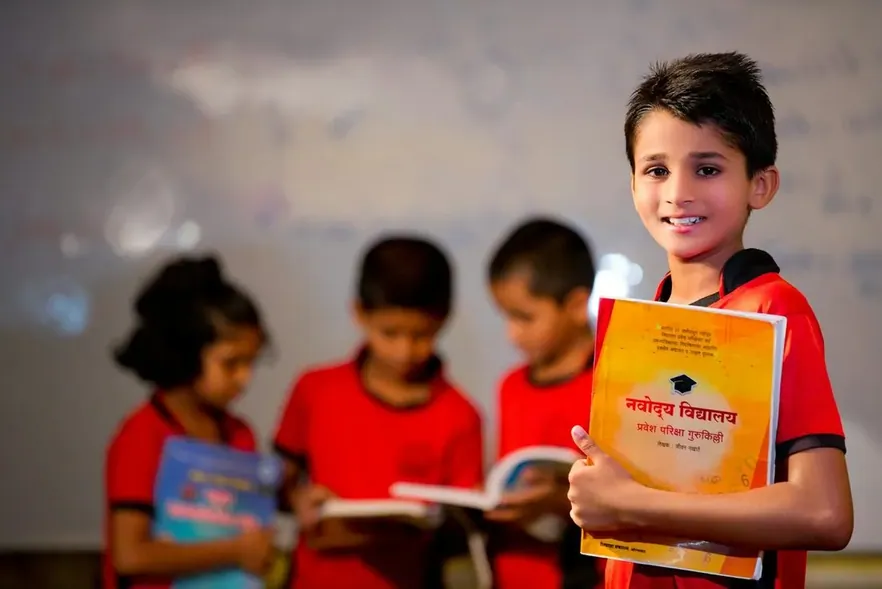
A boy holding up his textbook beside his classmates

Funders who want to see what changed for named children, not a photograph and an attendance total.

How can we help?

“We do not start with a proposal. We start by understanding your problem well enough to deserve one. Bring it to us as it is, messy is fine, and we will figure out the way forward together.”
SG
Satyam GambhirCo-founder, commons.inc
Talk to us
Two people working at a laptop on a terrace

Learning programme strategy

Programmes costed per child who learns, not per child enrolled.

Boys at their desks in a classroom

Classroom experience design

Tools that fit the lesson plan and tell a teacher something new.

Two people working at a laptop on a terrace

School & learning platforms

Attendance, assessment and learning levels in one system.

Young men in uniform writing at their desks

Rollout & teacher training

Training, support and handover across every school in the block.

Education products.

Tell us which part of the village you are.

A department, a school network, a nonprofit or a funder: we will tell you where we would start, and what it would take.

Other focus areas.