












Project Management
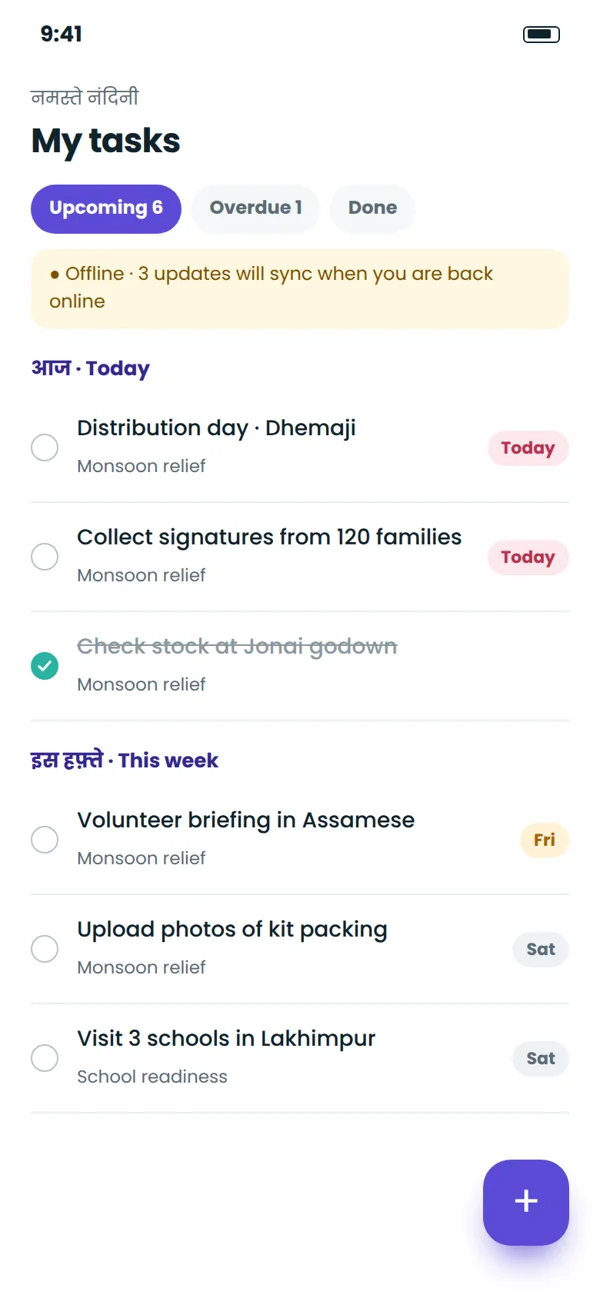
Organise teams, volunteers and partners into projects and tasks, with lists, boards, timelines, portfolios, goals and a field app that works offline.
See the productPrograms designed with the cost per outcome right, before the budget locks.
Find out what people will actually do, before you build for what you assumed.
Purpose-built systems that work on the ground, not only on the dashboard.
Field operations that turn a plan on paper into work on the ground.
Most small and mid-sized organisations wait until they are big enough to afford good systems. AI has turned that order around: the systems are now how an organisation becomes big enough.
Funders want proof of scale before they will pay for the systems that produce it. So a growing organisation hires people to do what systems should: compiling reports, reconciling accounts, chasing consent forms, onboarding staff. The overhead ratio rises, the next grant gets harder, and the founder becomes the system.

Every growing organisation hits them in roughly this order. The old way over each wall was more people. That is exactly what makes the next wall higher.
Small to medium. Knowledge, approvals and donor relationships live in one or two heads, a dozen WhatsApp groups and spreadsheets only their makers understand. It works until the team is about thirty people. Then every decision queues behind the same person, and growth slows to the speed of their calendar. Every line runs through one person. What breaks: growth stops at the number of things one or two people can hold in their heads.
Medium. Every funder wants the same story in a different format. Numbers are pulled from field sheets, cleaned, reconciled with accounts and rewritten, every month. The usual answer is to hire an MIS officer, then another. Overhead rises, and funders who pay for programmes but not for overhead start asking why. A programme manager's month: programme work 46%, funder reports 27%, cleaning data 15%, compliance and admin 12%. Five funders, five formats, one team: quarterly in Excel, monthly on a portal, half-yearly as a deck, annually as a logframe, and a PDF for every board meeting. What breaks: the people closest to the work spend a third of their time describing it.
Medium to large. Bigger CSR partners, government departments and global funders ask for audit trails, fund-wise accounts and consent records, and the DPDP Act now makes consent law. Most organisations can do the work. Far fewer can prove it on request, and that is what decides who gets the next, larger grant. What breaks: trust that cannot be shown on request does not count, however real it is.
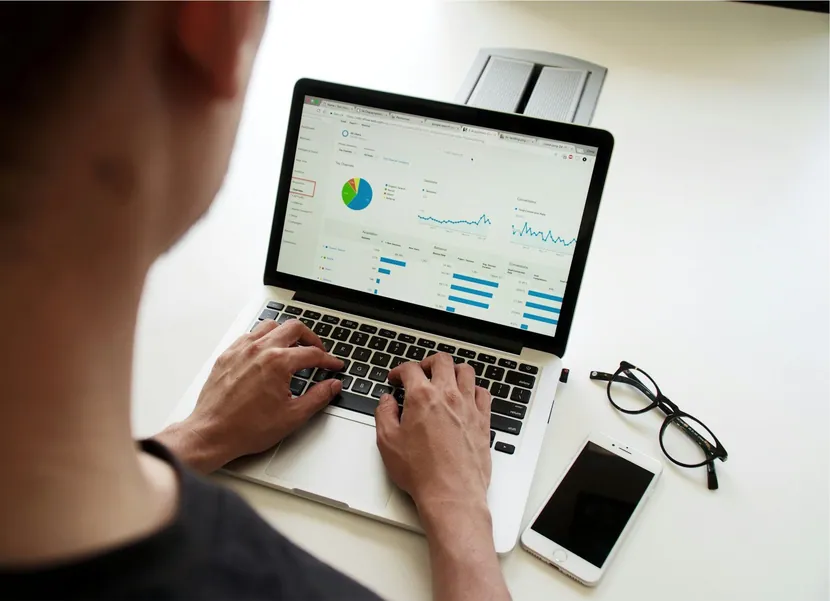
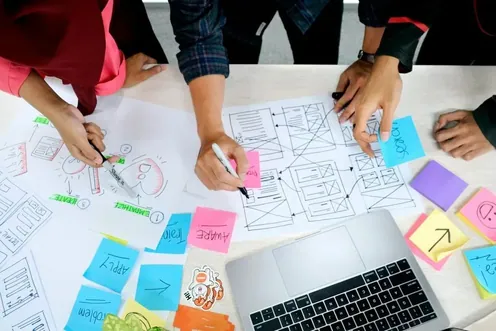
Project management for nonprofits: organise teams, volunteers and partners into projects and tasks, with lists, boards, timelines, portfolios, goals and a field app that works offline.
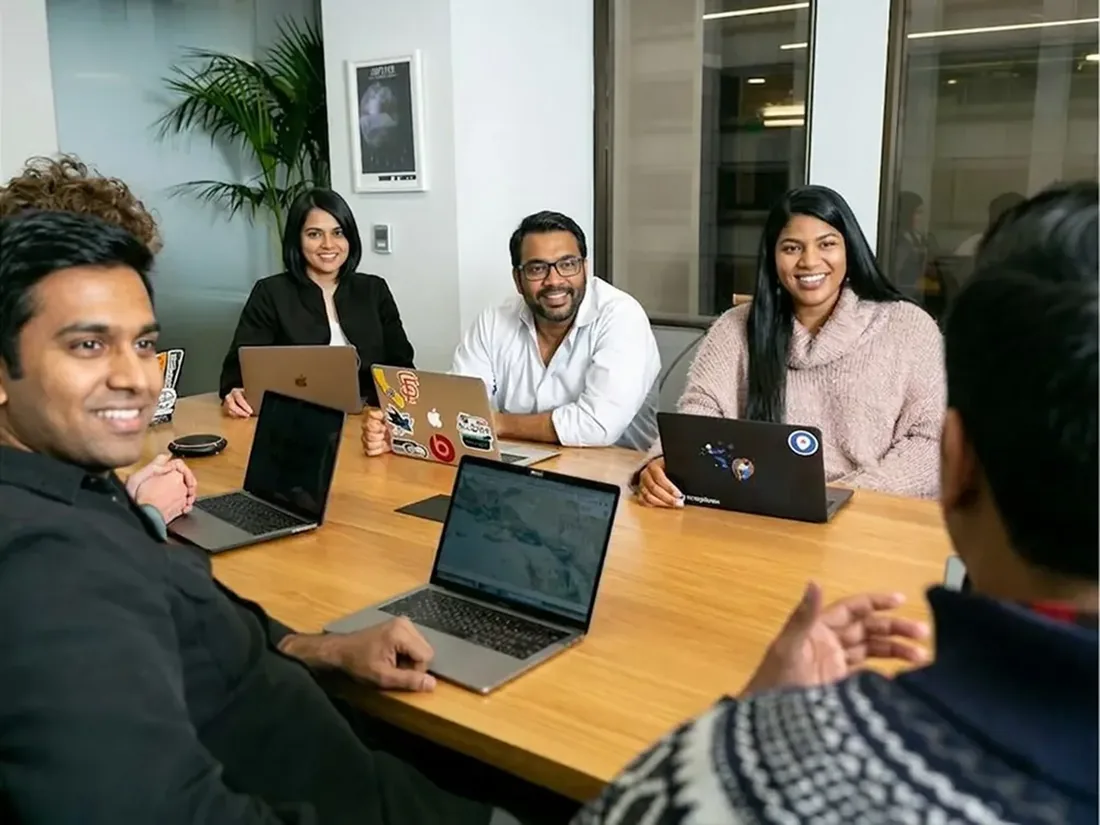
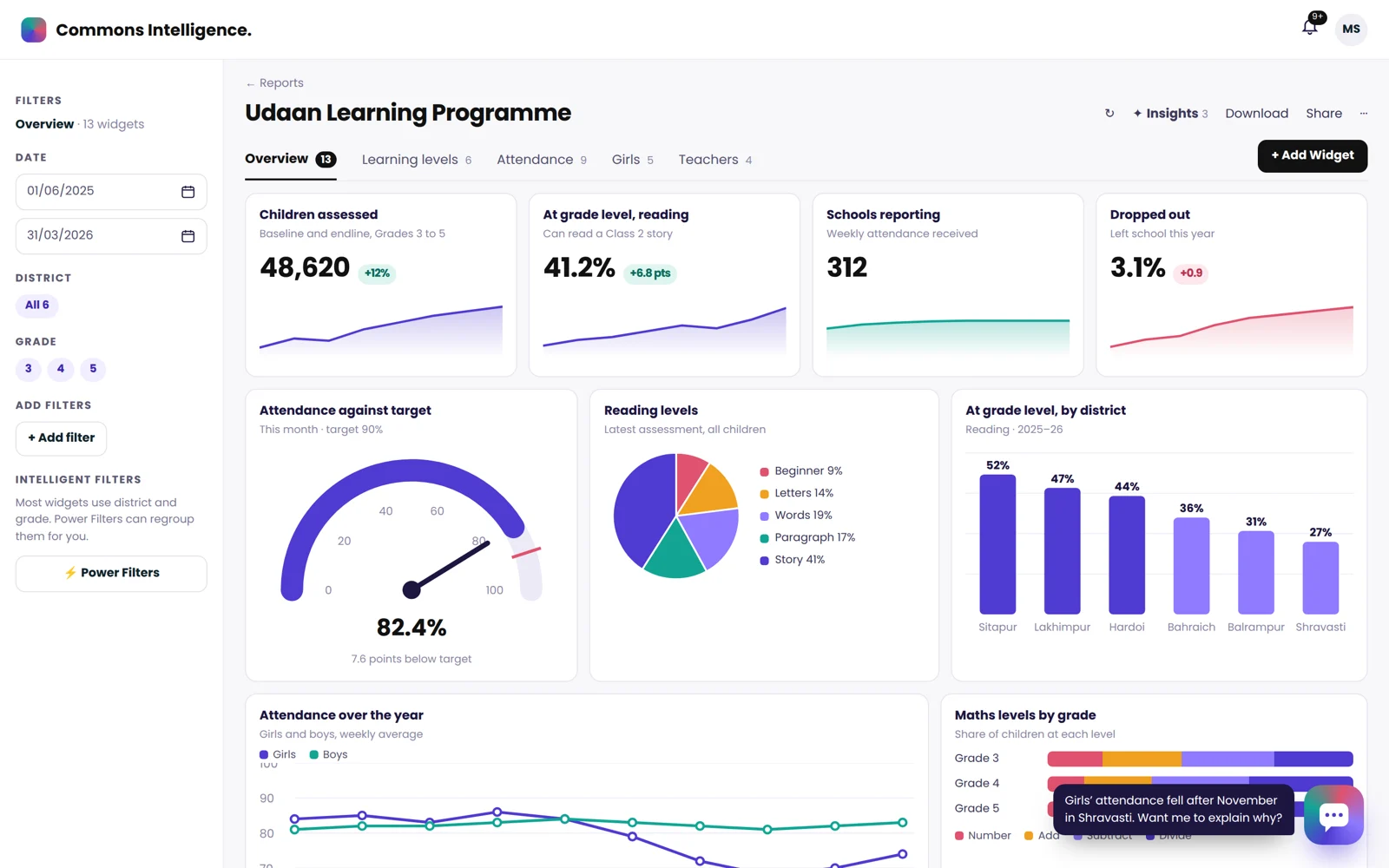
Conversational analytics: ask any question about your programmes in plain English and get live reports on learning, livelihoods and more.
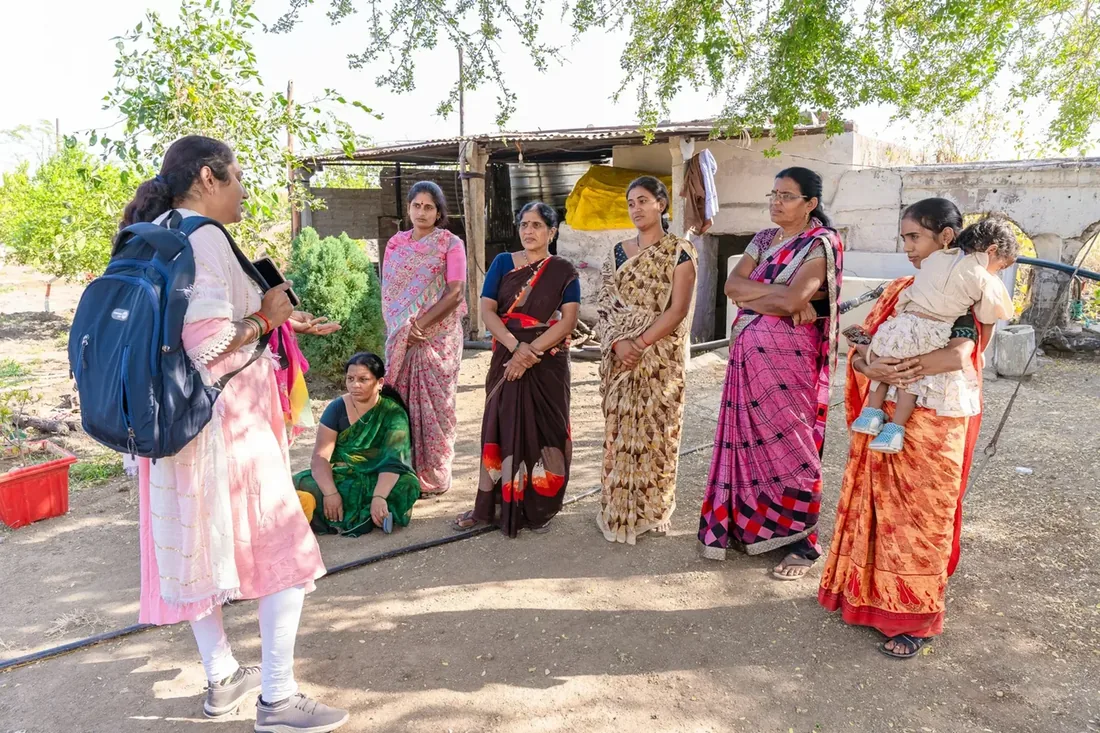
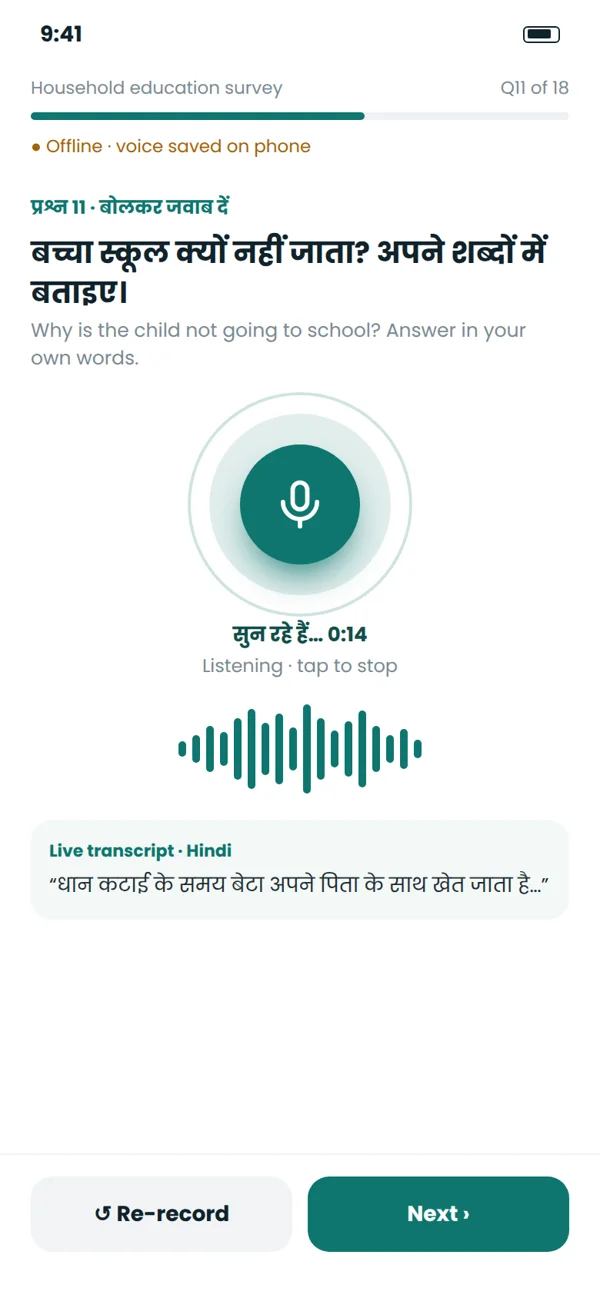
Surveys for the social sector: build in minutes, collect on web, WhatsApp and an Android app that works offline, check quality as answers arrive.

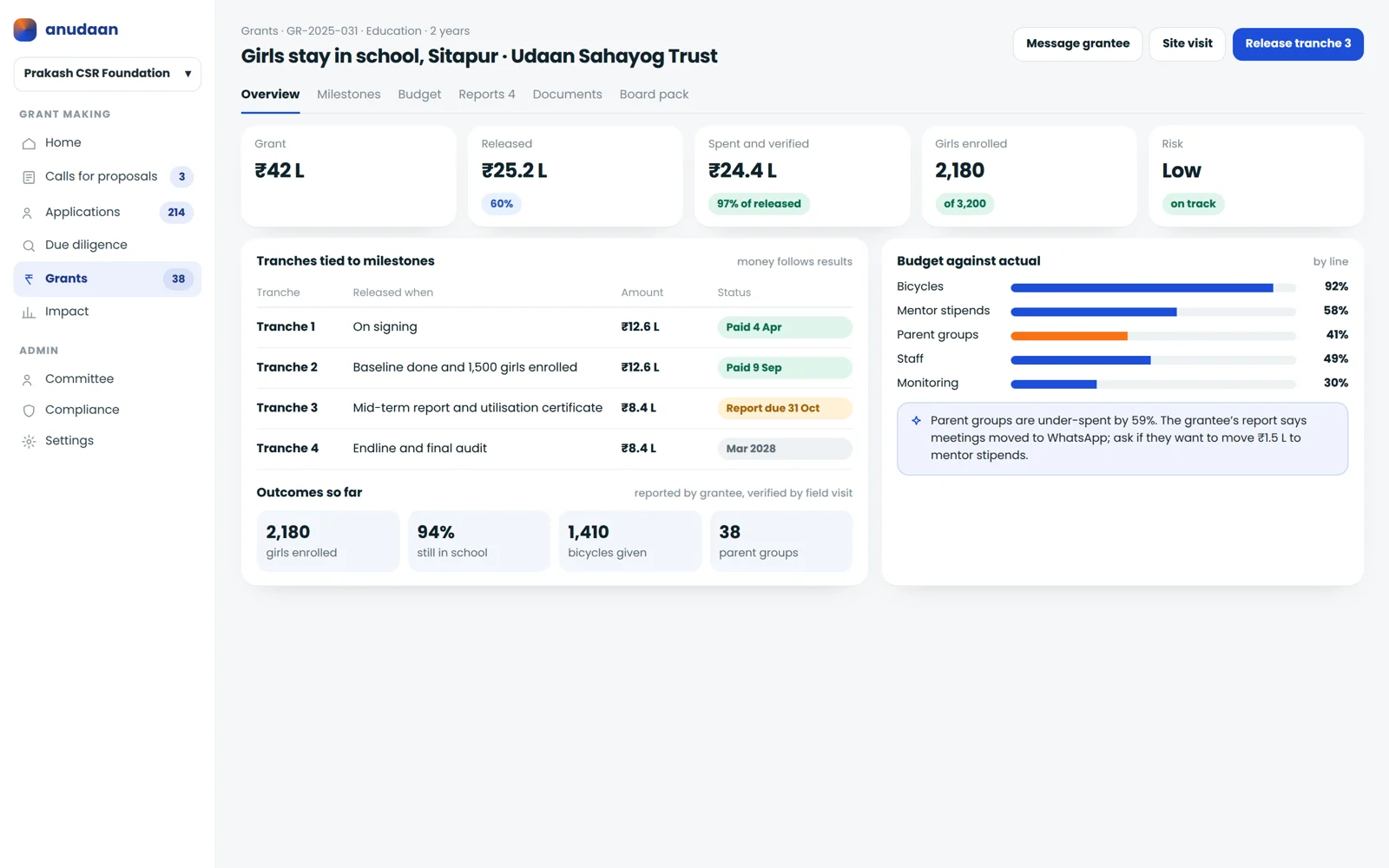
Grant management for grant makers and grant seekers: calls for proposals, AI review, due diligence, milestone tranches and reports, plus an AI proposal writer for nonprofits.
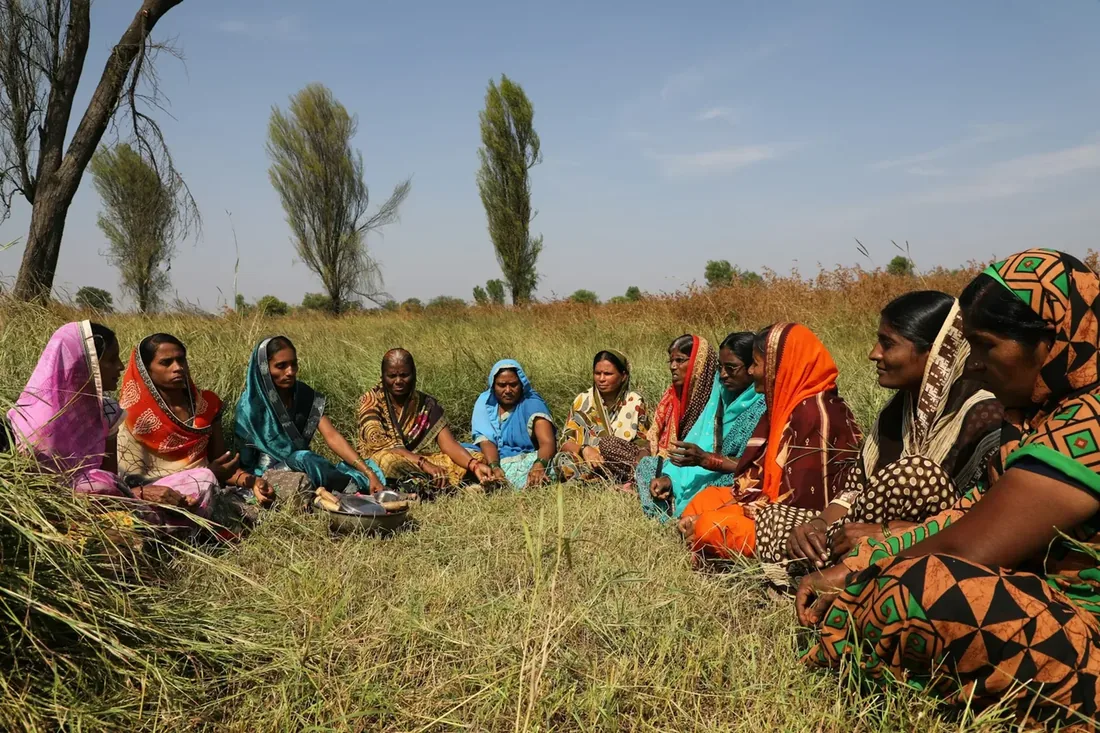
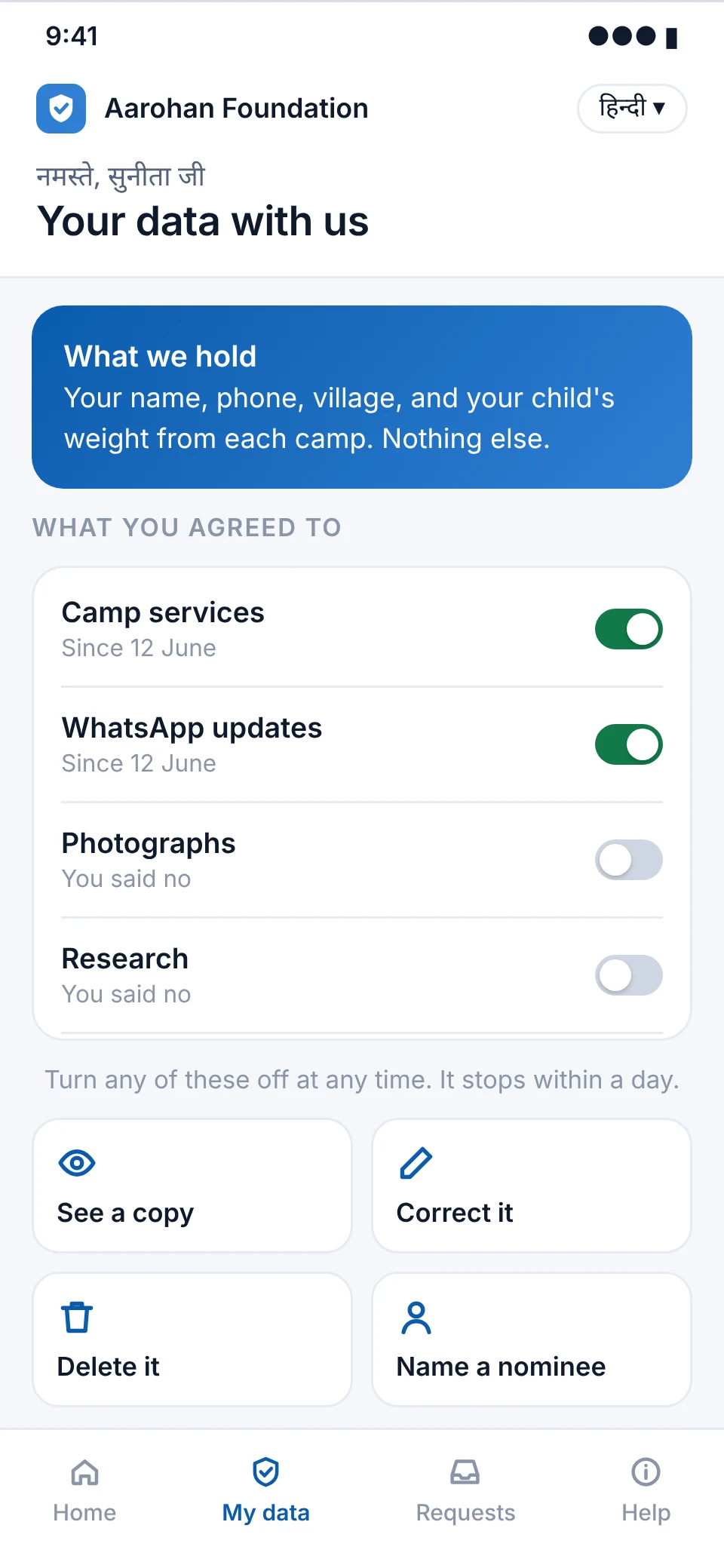
DPDP compliance and consent management for nonprofits: multilingual notices, purpose-wise consent, parental consent, rights requests, data map, retention and breach response.
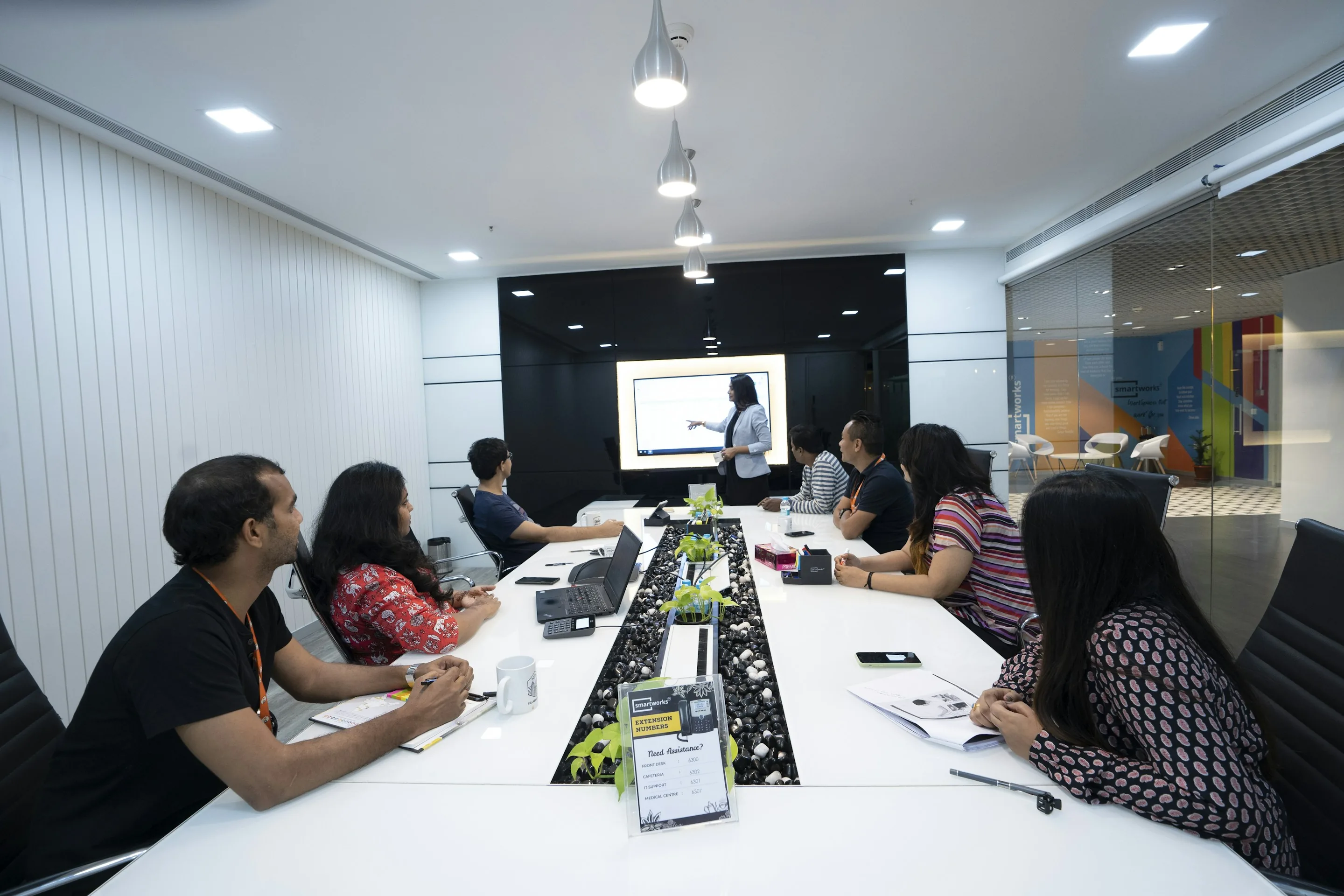
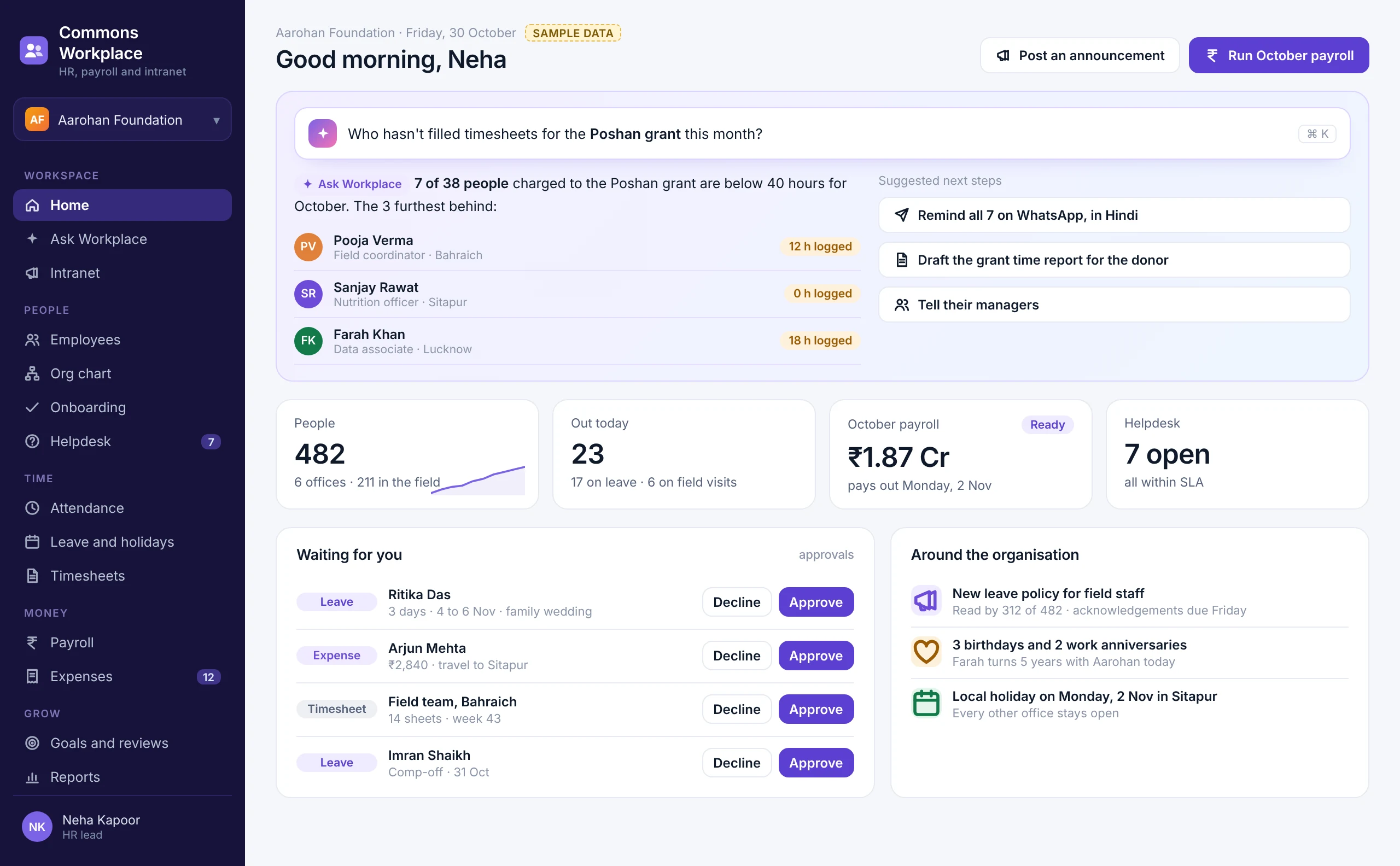
HR, payroll and an intranet in one place, for nonprofits, startups and enterprises, on the web and mobile, with AI built in.

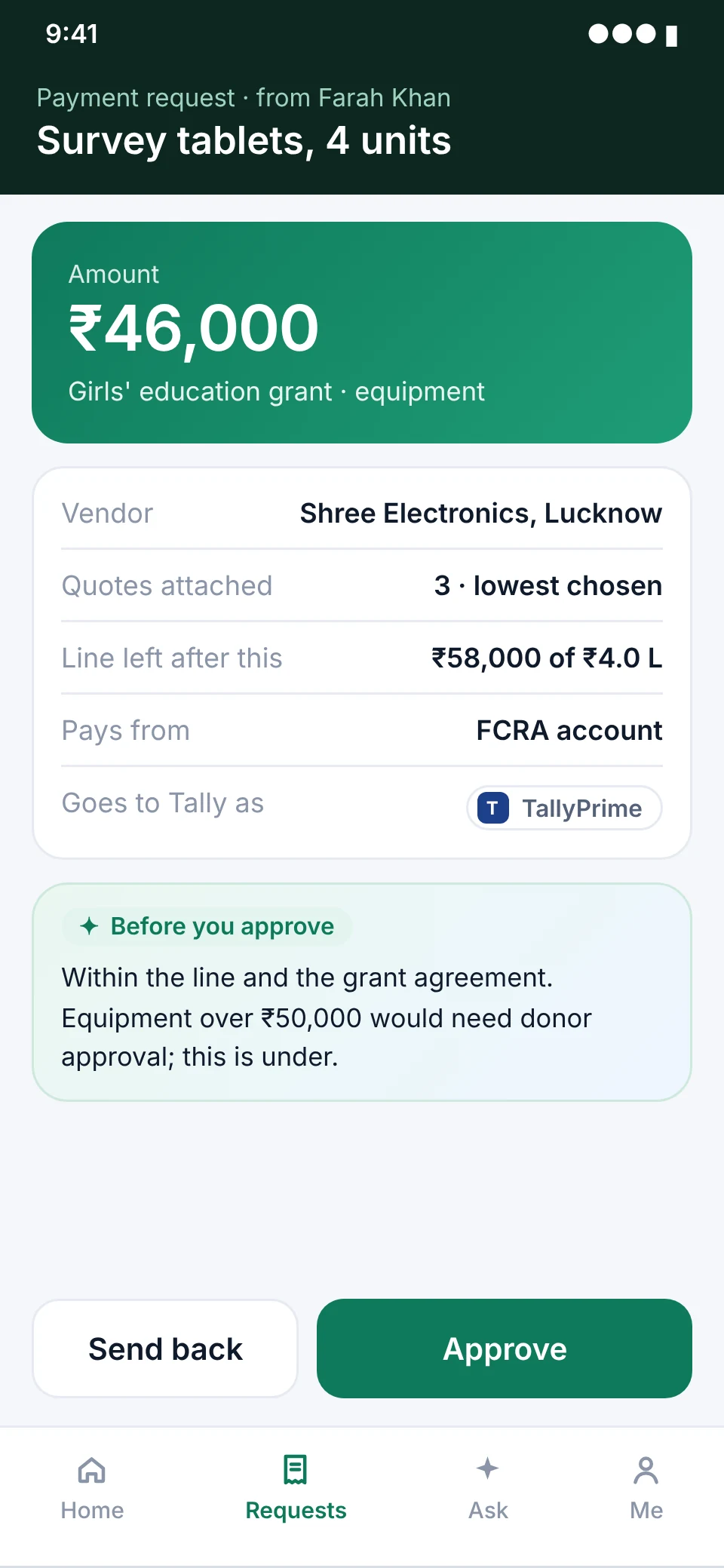
We implement Tally, Zoho Books, Frappe / ERPNext and Odoo, connect them to your programmes, payroll and donations, and add a custom screen on top where it helps.
Most organisations can do the work. Far fewer can prove it on request, and that is what decides who gets the next, larger grant.
AI changes the arithmetic of capacity. Work that used to need another hire — the report, the reconciliation, the consent record, the induction — can now be done by systems a small team owns. Capacity stops being headcount and becomes infrastructure.
The old order: grow the team, then afford the systems. The new one: put the systems in first, and let the organisation grow on them, with the people it has doing the work only people can do.
You do not need every system on day one. Start with the one that removes the wall you are standing at, and add the next when the organisation reaches it. Everything you start with carries forward.
Get the work out of heads and onto one record. Put in place: Project Management, Surveys, Accounting and Finance, AI Agents. What it gives back: the founder's time, and an organisation that still works when they are away.
Stop compiling. Start asking. Put in place: Commons Intelligence, Grant Management, Commons Workplace, Learning Experience Platform. What it gives back: a third of every programme manager's month, and new staff who are useful in weeks, not quarters.
Make trust provable, at scale. Put in place: Commons Trust. DPDP Consent and Compliance System, the Commons Workplace intranet, AI Agents. What it gives back: due diligence answered in a day, and a culture that holds across offices and states.
Each works on its own, so you can start with one. Together they share one record of your programmes, people, money and consent, which is what lets an AI agent work across all of it.
Organise teams, volunteers and partners into projects and tasks, with lists, boards, timelines, portfolios, goals and a field app that works offline.
See the productBuild in minutes, collect on web, WhatsApp and an Android app that works offline, check quality as answers arrive.
See the productAsk any question about your programmes in plain English and get live reports on learning, livelihoods and more.
See the productCalls for proposals, AI review, due diligence, milestone tranches and reports, plus an AI proposal writer for nonprofits.
See the productRestricted and unrestricted funds, FCRA kept separate, budget against actual by grant, 80G receipts, TDS and utilisation certificates.
See the productMultilingual notices, purpose-wise consent, parental consent, rights requests, a data map, retention and breach response.
See the productHR, payroll and an intranet in one place: records, attendance that works offline, leave, timesheets, payroll with Indian statutory compliance, expenses and self-service.
See the productAnnouncements, policies people acknowledge, a people directory, documents, and a handbook you can ask questions in your language.
See it in Commons WorkplaceEvery content format, quizzes that teach, AI-graded assessments, peer review, live classes, workshops and verifiable certificates.
See the productOne system works across all the others. Agents do the routine work that used to need another person, from the same record your team uses, and a person checks before anything leaves the building. They listen as well as read, so a field coordinator can speak instead of type.
 No poverty
 Gender equality
 Decent work and economic growth
 Reduced inequalities
 Peace, justice and strong institutions
 Partnerships for the goals
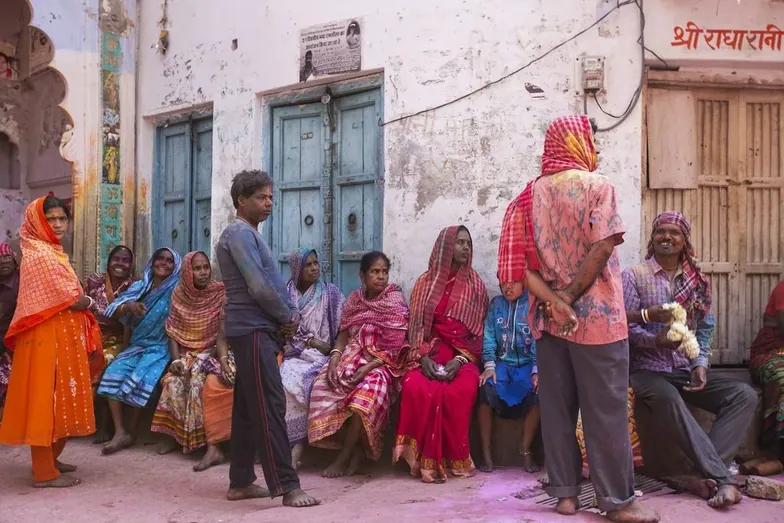
The people every programme is built for.
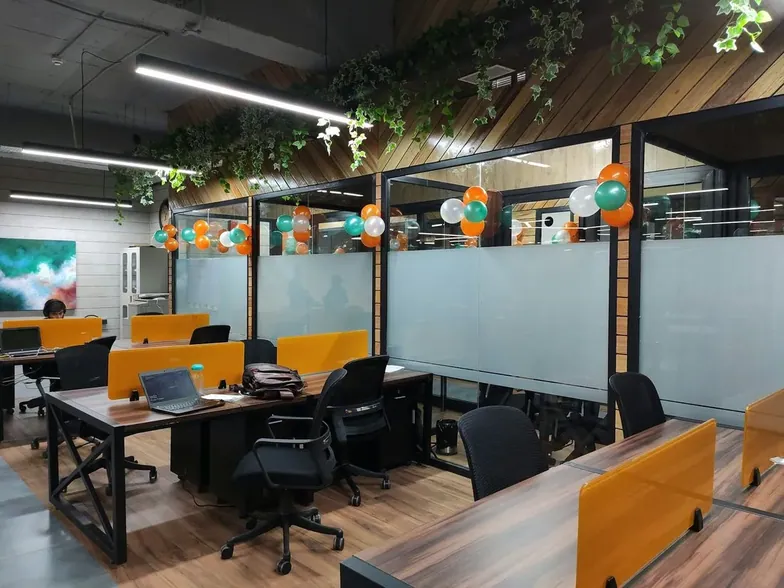
Public systems working at scale.
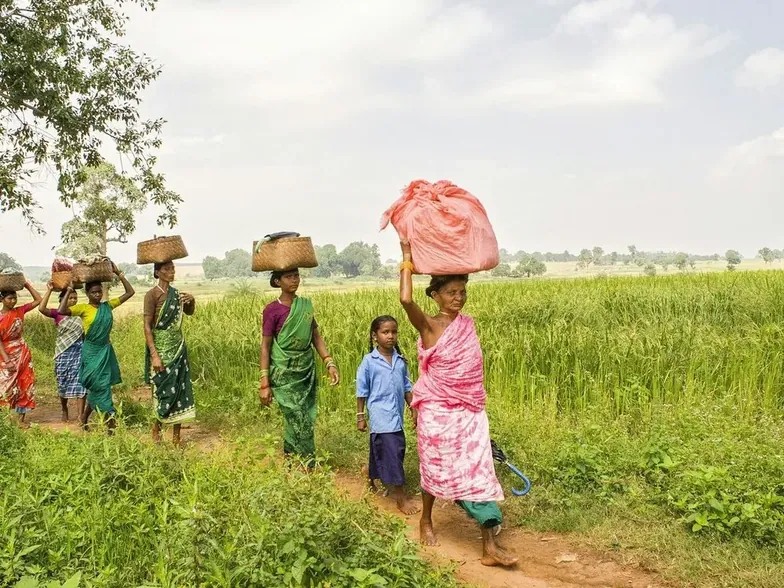
Organisations running the work on the ground.
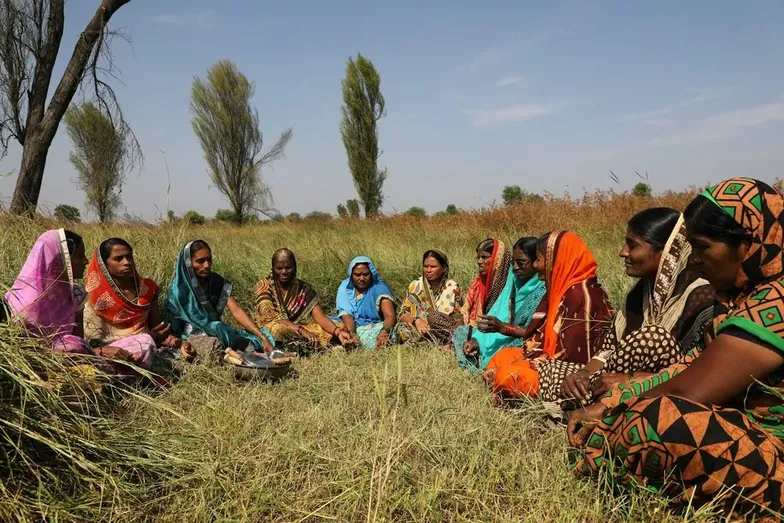
Funders backing outcomes that last.

Teams building tools for real conditions.
“We do not start with a proposal. We start by understanding your problem well enough to deserve one. Bring it to us as it is, messy is fine, and we will figure out the way forward together.”

Programmes designed with the cost per outcome right before the budget locks.

Journeys designed around the people moving through them.
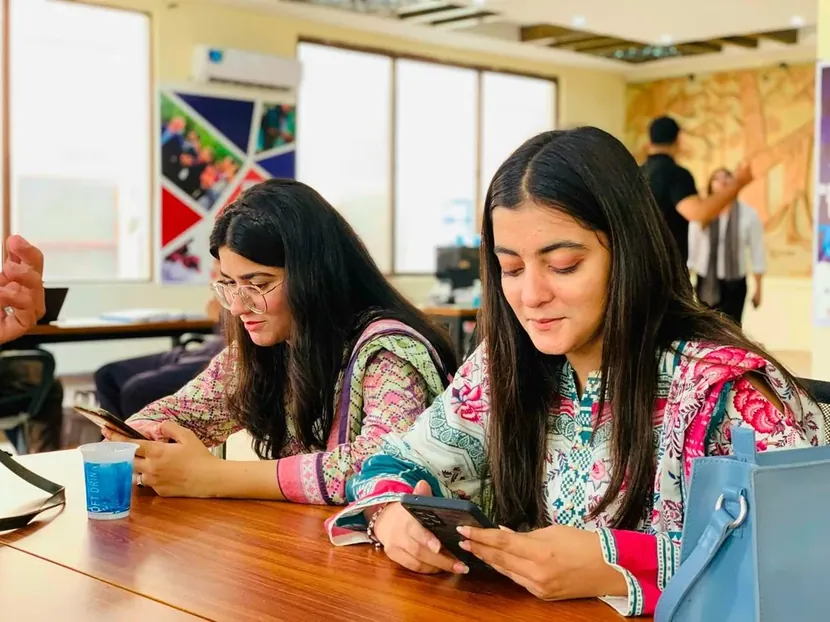
Built to be adapted, extended and used by the organisations doing the work.

Deployment, training and handover until your team runs it.

We will tell you which system would give that time back first, what it would cost, and what it would take to run it with the team you already have.