


Offline-first
Works where the network does not.
- Data saved on the phone, synced when a signal returns
- No lost work on a weak connection
Programs designed with the cost per outcome right, before the budget locks.
Find out what people will actually do, before you build for what you assumed.
Purpose-built systems that work on the ground, not only on the dashboard.
Field operations that turn a plan on paper into work on the ground.
Our engineers work with AI from the first conversation to the last release, so a small team builds more, tests more and leaves you documented software you own.
It’s always domain first, technology second. We don’t write code until we understand the terrain: its realities, its regulations and its unsolved problems.
AI does not replace the engineer. It takes the slow, repetitive work off their hands, so their time goes into understanding the problem and getting the design right.
Every build starts from the people who will use it, and from the parts we have already built and proven in the field.
Full platforms built from scratch, for programmes that run across states, languages and partners.
Apps that work offline, in local languages, on the low-cost phones frontline workers already carry.
Assistants, voice in local languages, and reading forms and documents, built in where they save real time.
Connected to government systems, payment rails and the tools your teams already use, through governed APIs.
Automated testing on real devices and real networks, with AI writing and maintaining the tests.
Monitoring, support and steady improvement after launch, by the team that built it.
Five stages, in short cycles. At every stage our engineers decide; AI does the heavy lifting around them.
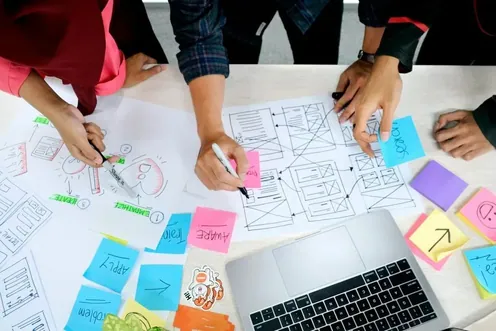
Time with the people who will use it, before anything is designed.
Something real to react to, in days rather than months.
Short releases, each one reviewed and shipped.
Tested where it will be used, not only in the office.
We run it, or hand it to your team, with everything they need.
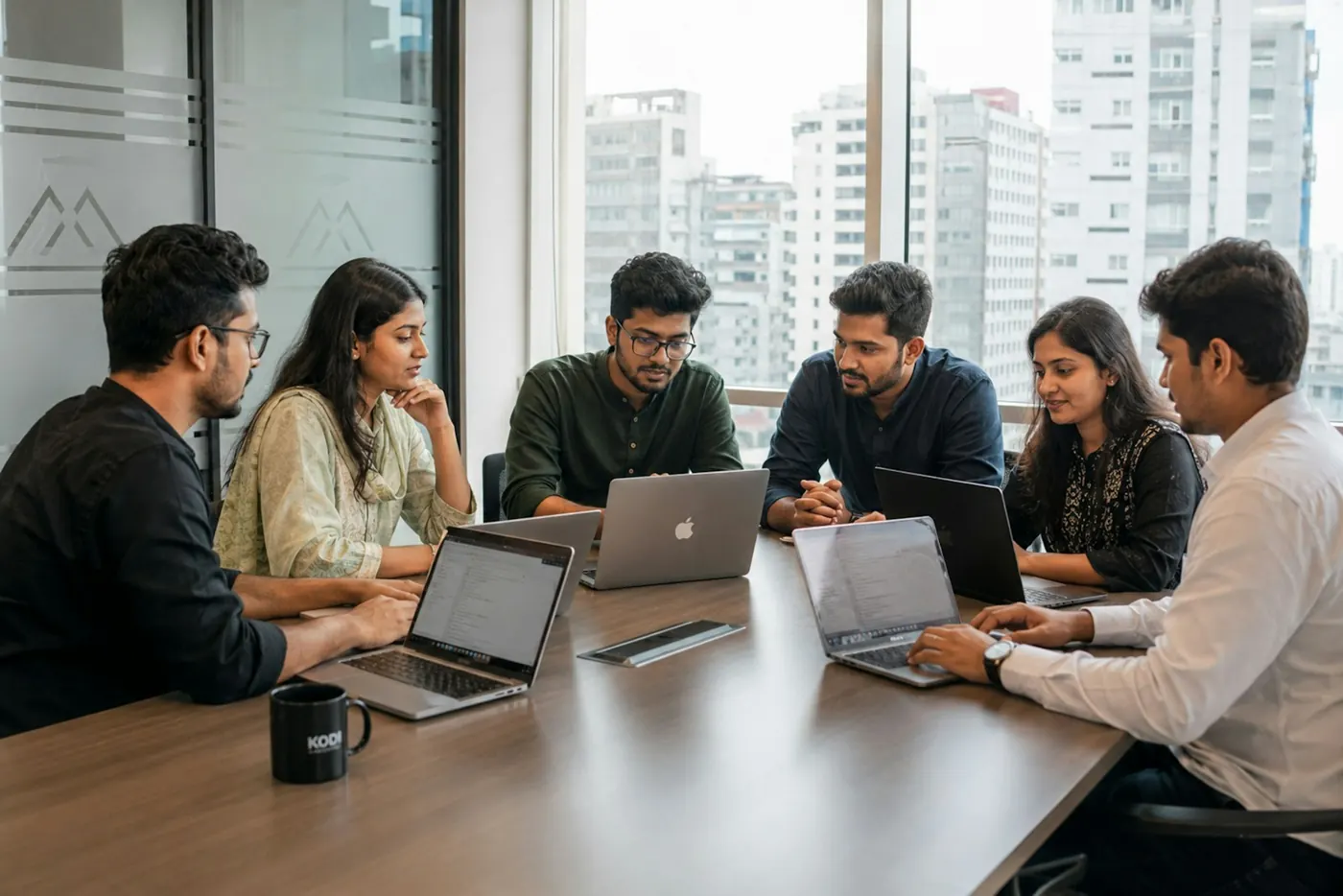
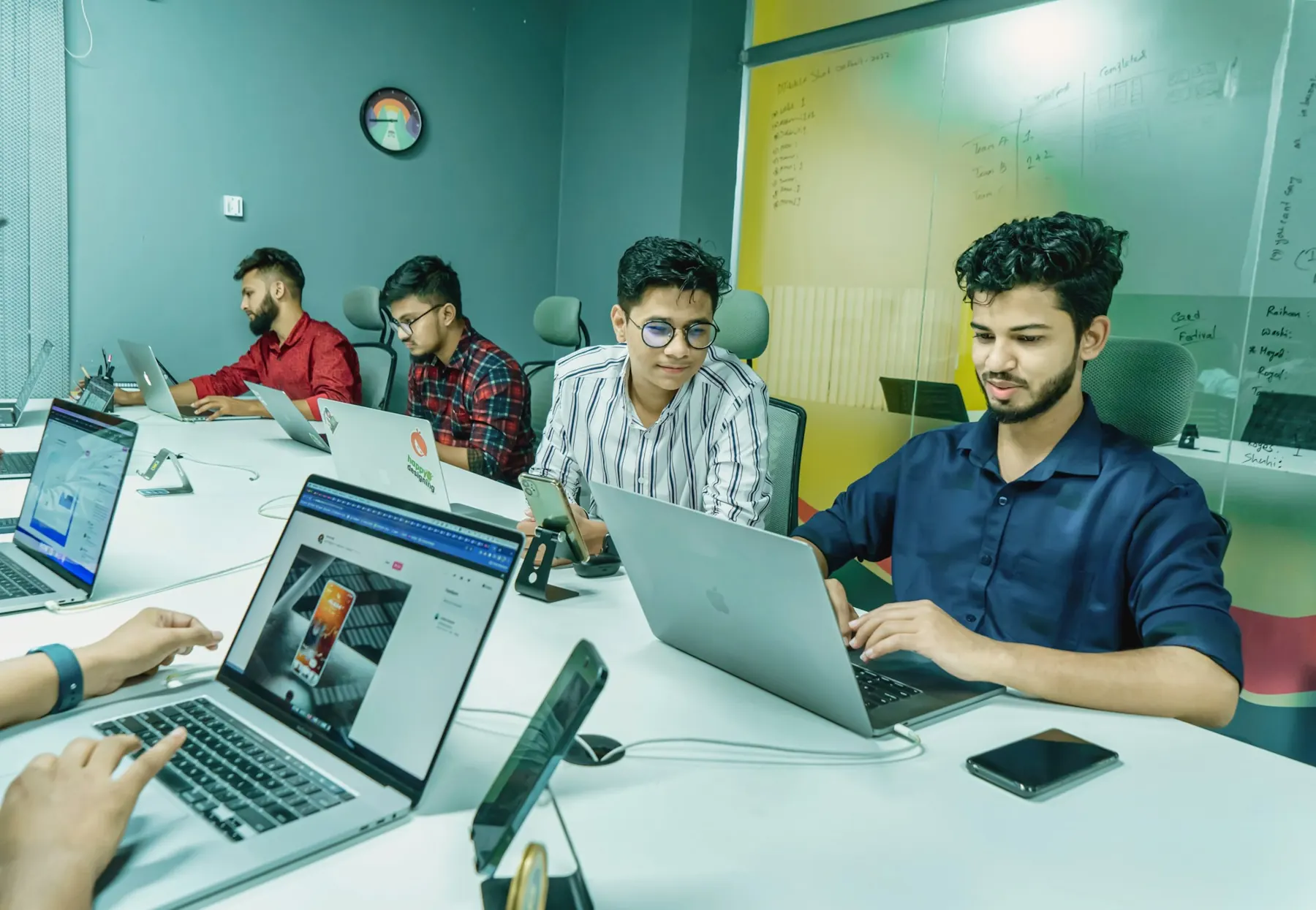
CodeMill is how our engineers work. AI models sit in the codebase alongside the team: reading code, drafting changes, writing tests and reviewing every pull request.
The change is not in how fast people type. It is in what a small team can safely take on: work we once planned in quarters now moves in days.
The four things every system we build does, whatever it is for.
Works where the network does not.
In the language people speak.
On the phones people already have.
Personal data handled properly.
Pick the one that fits how much your own team wants to own.
A defined product at a fixed price, delivered in releases you can use as they arrive.
Talk to usA small team of our engineers that plans and ships with yours, for as long as you need it.
Talk to usWe build it and run it, then train your team and hand it over, documentation and all.
Talk to us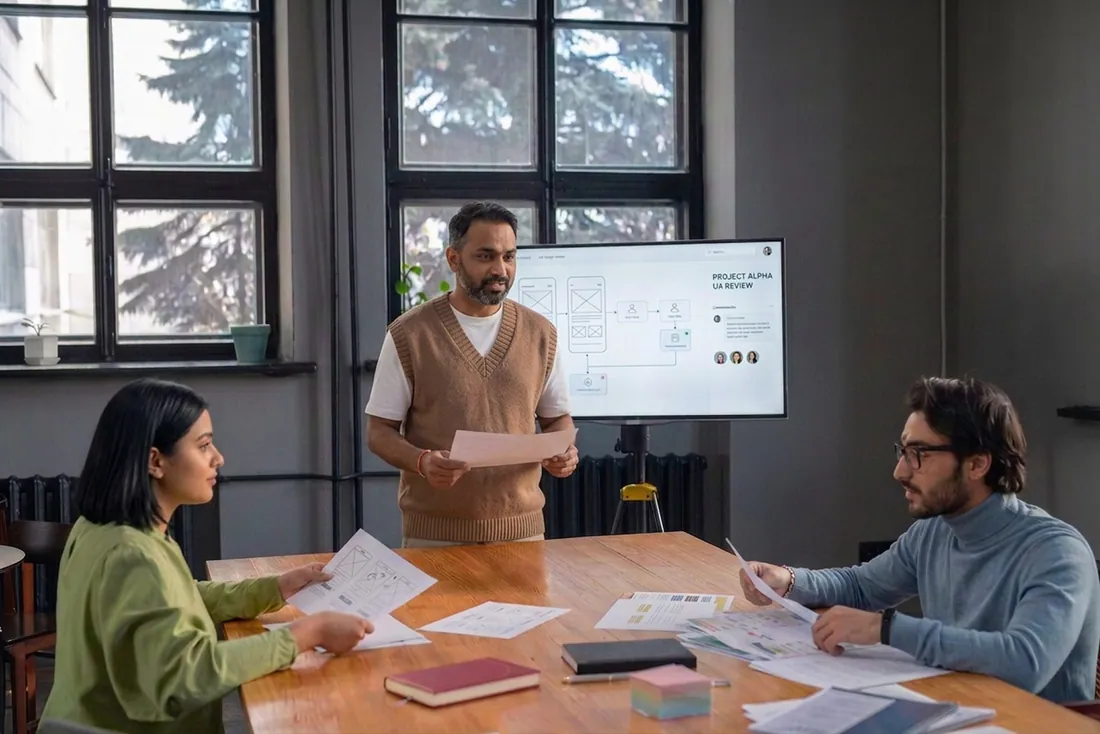
AI makes it easy to produce code quickly. These rules make sure what we ship is code you can trust, on every engagement.
Across every focus area we work in. Each started as a conversation with the people who would use it.

See the platforms we have built for healthcare.

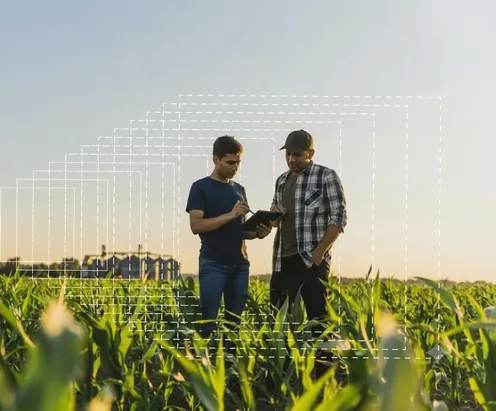
See the platforms we have built for agriculture.

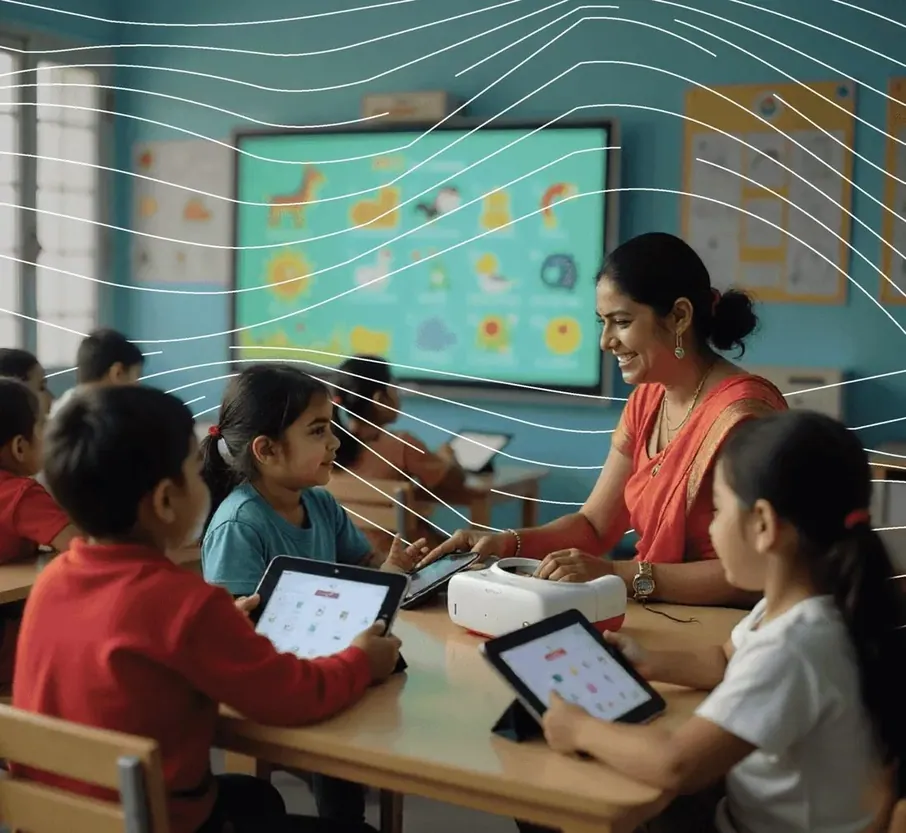
See the platforms we have built for education.
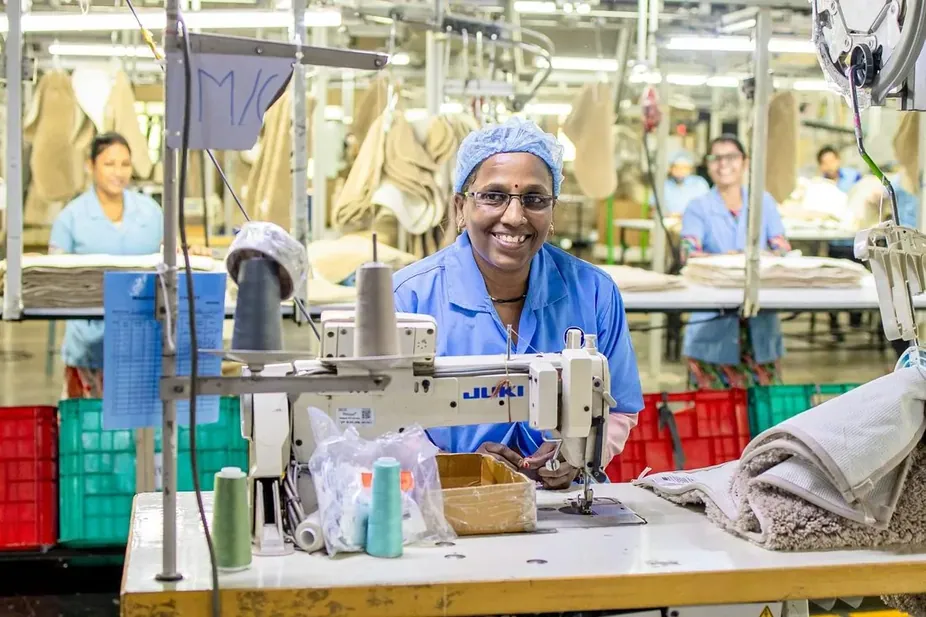
See the platforms we have built for skilling and employability.

See the platforms we have built for civic engagement.
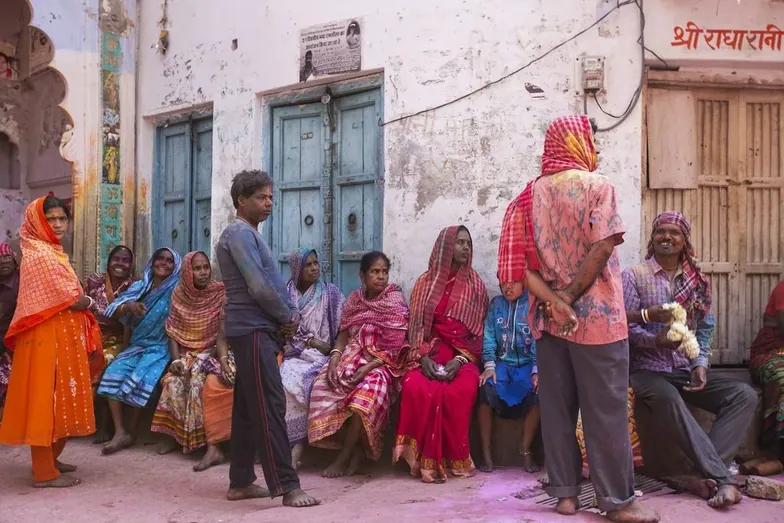
See the platforms we have built for rural development.
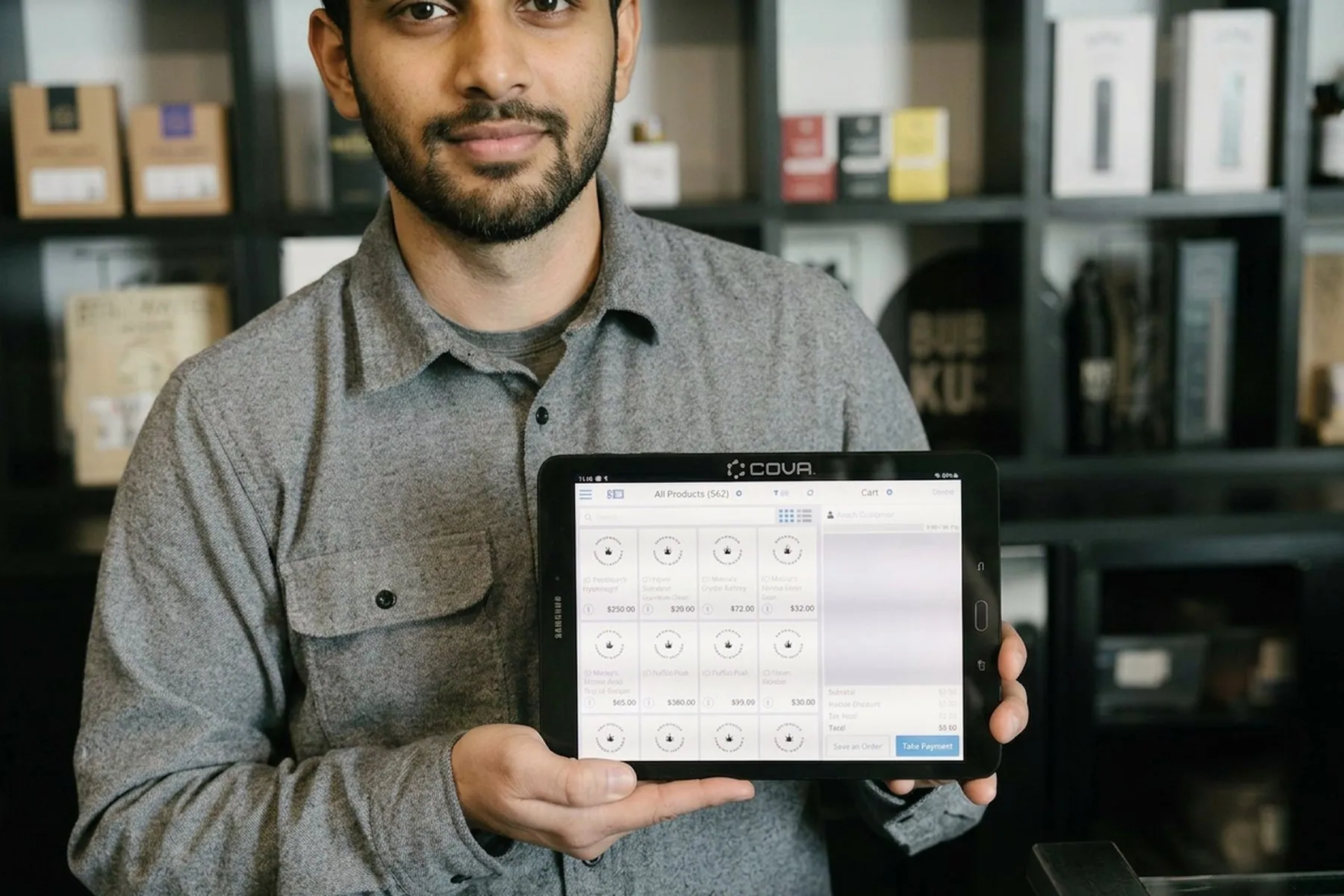
See the platforms we have built for the back office.
Only when it is treated like any other code: reviewed by engineers, covered by tests and released in small steps. That discipline, not the model, is what makes it safe.
You do. The code, the documentation and the intellectual property are yours, in your own repositories, from the first day.
That is the intent. Your engineers can work alongside ours from the start, and the documentation is kept current, so handing over is a step, not a project.
A working prototype usually comes within the first weeks, so decisions are made on something real rather than on documents.
Yes. We can connect to it, extend it, or replace it step by step. That last one is our Legacy Modernisation practice.

Tell us about the work and the people doing it. We will come back with something you can try.